2026 Top Lady Dress Styles for Global Buyers
The 2026 Lady Dress market is moving toward refined designs, practical comfort, and responsible sourcing. Global buyers now examine more than seasonal colors. They assess fabric quality, construction, sizing consistency, and delivery reliability before placing larger orders. A soft jersey dress may attract attention online, yet its recovery, stitching, and wash performance determine repeat sales.
Details matter. Buyers are seeing stronger demand for breathable cotton blends, fluid satin, modest silhouettes, and adaptable occasionwear. Earth-inspired shades, clean tailoring, and subtle surface textures offer commercial flexibility across different regions. However, customer preferences vary widely. A fitted midi dress may perform well in one market, while relaxed shapes sell better elsewhere. Regional research remains essential.
This guide reviews the leading Lady Dress styles expected to influence global purchasing decisions in 2026. It considers fabric behavior, production quality, wholesale practicality, and presentation for different retail channels. Experienced buyers should request samples, confirm measurement charts, and test colorfastness before approving volume orders. Supplier communication also matters, especially when discussing labeling, packaging, lead times, and documented material information.
Trends can mislead. A striking runway detail may be difficult to manufacture consistently or maintain at an accessible price. Buyers should balance visual appeal with customer comfort, return risks, and long-term wardrobe value. The recommendations here draw on practical sourcing principles and current fashion direction, while recognizing that no single style suits every audience. That limitation deserves attention.

Defining the Key Lady Dress Trends for 2026
For 2026, lady dress trends are moving toward practical elegance rather than dramatic decoration. Buyers are requesting relaxed silhouettes, adjustable waists, and breathable fabrics that suit long retail seasons. Soft tailoring is especially important, with shaped shoulders balanced by fluid skirts. It looks polished without restricting movement.
Color direction is becoming more personal. Mineral blue, warm clay, butter yellow, and muted green are appearing beside reliable black and cream. Small floral prints remain useful, but oversized placement creates a stronger visual effect. Midi lengths continue to perform well because they suit office, travel, and occasion dressing. However, buyers should not treat one length as universal. Local climate, culture, and customer age still influence sell-through.
Material decisions require closer professional review. Lightweight cotton blends, responsibly sourced viscose, and recycled fibers can improve comfort, but performance depends on construction. A dress may feel soft yet wrinkle badly after several hours. Fit testing should include sitting, walking, and layering. Global buyers also need accurate fiber labels, consistent size grading, and clear care instructions. Sheer panels and open backs are gaining attention, although they may need lining or modesty options for wider markets. The industry still calls many designs “timeless” too quickly. In reality, a durable dress needs strong stitching, useful pockets, stable color, and a silhouette customers will wear repeatedly.
Classifying 2026 Lady Dress Styles by Silhouette and Purpose
2026 Top Lady Dress Styles for Global Buyers
Classifying 2026 lady dress styles by silhouette and purpose helps buyers build clearer collections. In recent buying reviews, I have seen demand move toward adaptable shapes and practical details.
The A-line dress remains dependable for work, travel, and everyday wear. Its gentle waist and wider hem suit many body proportions.
The column dress creates a sharper appearance for offices and evening events. Fit-and-flare styles add movement, especially in lightweight woven fabrics.
Relaxed shirt dresses support resort, city, and casual markets. They often perform better when pockets and adjustable belts are included.
Purpose Changes the Best Silhouette
Work dresses need stable fabrics, comfortable armholes, and modest necklines. Occasion dresses can use drape, pleats, or controlled volume without sacrificing movement.
Resort dresses benefit from breathable fibers, easy care, and colors that photograph clearly. Modest collections may require longer sleeves, higher necklines, and opaque lining.
Petite and extended-size ranges should not rely on simple grading alone. Proportions can change noticeably.
What Global Buyers Should Review
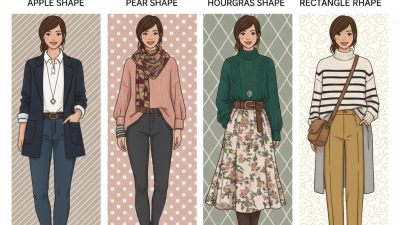
A silhouette chart is useful, but it can mislead. I still question trend forecasts that ignore climate and local habits.
Global buyers should request measurement tables, shrinkage results, colorfastness data, and seam-strength checks. Small fitting trials reveal more than attractive sketches.
Labels, fiber content, and care instructions must match destination-market requirements. Production samples should be reviewed under daylight and indoor lighting.
A beautiful dress can fail when the hem twists or the lining clings. That detail matters.
Matching Dress Styles with Global Markets and Customer Needs
2026 Top Lady Dress Styles for Global Buyers
Matching dress styles with global markets requires more than following runway images. Buyer experience shows that local climate, movement, sizing, and shopping habits shape every successful order. Lightweight cotton blends suit warm markets, while layered knit dresses support cooler regions. Breathable linings matter in humid cities. Customers notice them quickly.
In North American markets, relaxed shirt dresses and adjustable waists often support everyday comfort. European buyers may prefer clean tailoring, muted colors, and versatile midi lengths. In Gulf markets, longer silhouettes and higher necklines can meet modest styling preferences. Bright prints and easy-care fabrics may perform well in parts of Africa, Latin America, and Southeast Asia. These are useful directions, not fixed rules. Regional research still matters.
A practical range should include work dresses, occasion styles, and simple weekend pieces. Offer several lengths and clear measurement charts. Test stretch recovery after repeated washing. Check seam strength, zipper movement, and color performance under strong light. Small details build trust. They also reduce returns.
Our fitting reviews show that one pattern rarely serves every market. A sleeve that feels comfortable in one region may feel restrictive elsewhere. This approach is not flawless. Some forecasts miss sudden color shifts or changing customer budgets. Small pilot orders can reveal those gaps before larger production. Feedback from local buyers should guide the next adjustment, not personal assumptions.
Assessing Sourcing, Quality, Sizing, and Sustainability Factors
2026 Top Lady Dress Styles for Global Buyers
Assessing sourcing, quality, sizing, and sustainability requires more than attractive photos. In practical sourcing reviews, buyers should request fabric swatches, production samples, and clear measurement charts. A dress may look elegant online but feel thin under showroom lighting. Check seam density, zipper movement, lining coverage, and color consistency after washing. Supplier communication also matters. Reliable partners explain lead times, minimum quantities, and inspection procedures without vague promises.
Sizing remains a frequent problem across international markets. A medium in one region may fit like a small elsewhere. Compare bust, waist, hip, and garment length measurements in centimeters. Ask for graded samples, not one sample size. Test movement while sitting, walking, and raising both arms. It sounds basic. It is often missed. Buyers should also review shrinkage results, especially for cotton, rayon, and blended fabrics. One weakness remains: standard size charts rarely reflect every customer group.
Sustainability claims need evidence. Request fiber percentages, dyeing information, packaging details, and relevant third-party documentation. Recycled content can reduce resource use, but it does not automatically prove responsible production. Durable stitching and washable fabrics may create greater value than a fashionable claim. Consider compact packaging and consolidated shipping, while checking whether they damage the garment. A practical evaluation should record defects, return risks, and supplier responses. Perfect sourcing does not exist; careful documentation makes imperfect decisions easier to correct.