10 Best Casual Trousers Manufacturers for Global Buyers
Selecting a reliable supplier for Casual Trousers takes more than comparing unit prices. Global buyers must weigh fabric quality, fit consistency, production capacity, communication, and delivery planning. A clean sample can look convincing. Bulk orders are the real test. This guide introduces ten manufacturers serving different sourcing needs, from flexible smaller runs to larger-volume programs.
The comparison focuses on practical signals buyers can verify: product range, customization options, quality-control processes, and experience with export orders. Look beyond price. Ask for fabric specifications, size charts, pre-production samples, and clear timelines before committing. Request details about inspection procedures, too. These steps help uncover gaps that a polished catalog may hide. No supplier is perfect. A strong factory for one brand may be a poor match for another, especially when target prices, preferred fabrics, or order quantities differ.
Use the list as a starting point, not a substitute for due diligence. Confirm current capabilities directly, and compare quotations on the same basis, including trims, packaging, and shipping terms. Small details matter: pocket depth, waistband recovery, and color consistency can shape customer feedback. We may not capture every regional specialist here. Still, the manufacturers featured offer useful options for buyers seeking dependable Casual Trousers production and a clearer path from design brief to finished shipment.
Casual Trousers Defined: Key Fits, Fabrics, and Product Categories
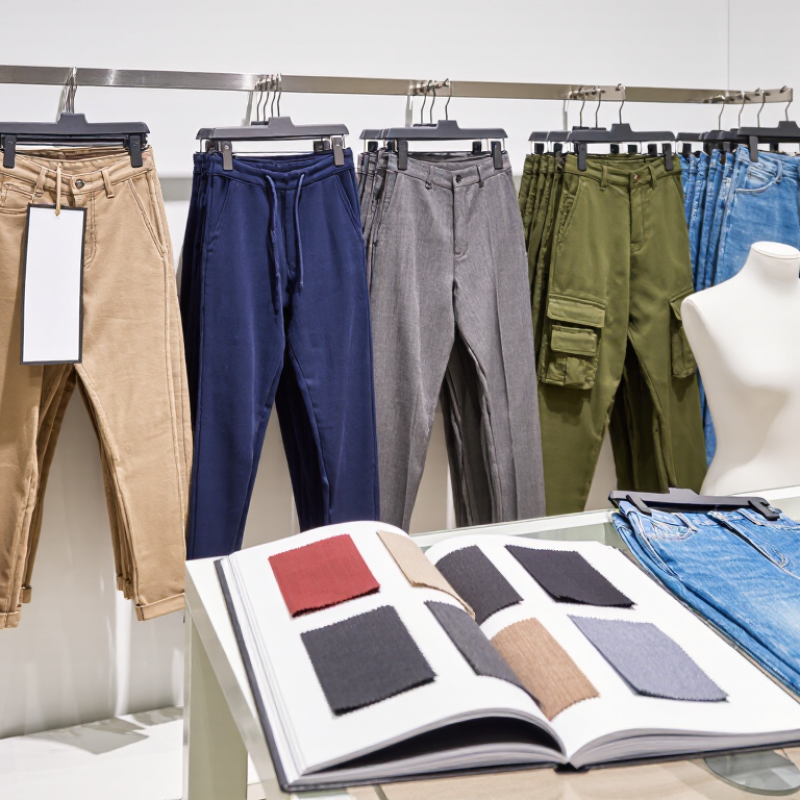
Casual trousers cover more than one silhouette. Straight, slim, relaxed, and tapered fits describe leg shape, while rise and inseam determine where the waistband sits and how the hem falls. Small details matter. A low rise may feel restrictive when seated; a roomy thigh can improve movement but alter the drape. Chinos and five-pocket trousers suit everyday wear, while cargo styles add utility pockets and joggers use elasticated cuffs. Fit is personal, so a size chart alone rarely tells the full story.
Fabric choice shapes comfort, appearance, and care needs. Cotton twill gives chinos a structured hand; denim feels sturdier, while linen blends tend to look lighter and more textured. Stretch-woven fabric can help with movement, but excess elastane may affect recovery after repeated wear. Textile Exchange’s Materials Market Report 2024 estimates global fiber production reached 124 million tonnes in 2023, with polyester accounting for 57% and cotton for 20%. These figures describe fiber supply, not trouser sales, but they show why buyers should check fiber content rather than rely on labels such as “casual.” Ask suppliers for fabric weight, blend percentages, shrinkage results, and measurements on a sample garment. And check them again. A pocket placed slightly too low can change the whole look.
Global Market Context: WTO Reports US$576B in Clothing Exports in 2022
The WTO reported US$576 billion in global clothing exports in 2022, underscoring the scale of apparel trade. That figure offers context, not a guarantee of easy sourcing. Casual trousers pass through networks of fabric mills, sewing facilities, and logistics providers. Large markets may offer capacity, but supplier capabilities vary by product, order size, and season.
For global buyers, this scale makes careful product checks essential. Cotton twill, stretch blends, and lightweight woven fabrics need different equipment and quality controls. Ask manufacturers how they check shade consistency, seam strength, shrinkage, and waistband measurements across repeat orders. Request a sample and a clear measurement sheet. Small details matter. A pocket that twists after washing can lead to returns, even when the fabric looked right during inspection.
Trade statistics also need careful reading. The WTO figure covers clothing exports broadly; it does not specify trouser output, factory capacity, or delivery reliability. Verify production locations, material documentation, test records, lead times, and communication routines directly. A large export figure alone cannot prove a supplier is dependable. It can guide better questions, though cross-country comparisons remain imperfect when reporting categories differ.
How to Assess Manufacturers: MOQ, Production Capacity, Lead Time, and Quality
When assessing casual-trouser manufacturers, compare minimum order quantities by fabric, color, and style—not just the headline MOQ. Ask for monthly capacity, current line loading, and recent output records. A factory claiming 20,000 pairs monthly may have only one suitable trouser line available. Textile Exchange’s Materials Market Report 2024 estimated global fiber production reached 124 million tonnes in 2023, highlighting the scale and complexity of material sourcing. Confirm that your chosen fabric is allocated before approving bulk production.
Tips: Request a size-set sample, a written production calendar, and a capacity breakdown by operation. Check whether stated lead times include fabric sourcing, sample approval, finishing, and packing. Small details matter.
Quality needs evidence, not assurances. Review measurement tolerances, seam strength, shade consistency, and inspection records from comparable orders. Agree on inspection stages and defect definitions before placing a deposit. For shipments, use a recognized sampling plan, such as ISO 2859-1, and record who approves each checkpoint. A practical warning: capacity sheets can look convincing while overlooking peak-season delays. Leave a buffer, and verify one promised milestone before committing to a larger order.
10 Casual Trousers Manufacturers Compared by Region and Specialism
Comparing ten casual-trouser manufacturers by region reveals different strengths, not one universal winner.
East Asian suppliers often suit consistent, higher-volume woven trousers, while South Asian factories may offer broad cotton fabric and garment-making capabilities. Turkish and Eastern European production can appeal to buyers seeking shorter transit routes into nearby markets. Portuguese and other Western European makers may be better suited to smaller, carefully finished runs.
These are useful patterns, not guarantees; factory-level checks matter.
Specialism changes the comparison. Ask whether a supplier handles stretch chinos, garment dyeing, lightweight summer trousers, or sturdy workwear-style construction. Request fabric swatches, seam samples, and a clear size-set review. Textile Exchange’s Materials Market Report 2024 estimates that global fibre production reached
124 million tonnes in 2023, with polyester making up
57 percent. That scale makes fibre choice and traceability practical sourcing questions, even for a single trouser line.
A useful scorecard should compare minimum order quantities, development time, fabric access, quality controls, and shipping distance. The International Labour Organization’s research on garment supply chains also points to the importance of responsible purchasing practices and stable supplier relationships. Ask how defects are recorded, who approves fit changes, and whether production can repeat the approved sample.
The comparison will still be imperfect. No spreadsheet captures every factory-floor detail.
Buyer Due Diligence: Check Certifications, Labor Standards, and Sustainability
10 Best Casual Trousers Manufacturers for Global Buyers
When assessing casual trouser manufacturers, request current certificates and check what each one actually covers.
A certificate may apply to one facility, material, or production process, not every order. Confirm the issuing body, validity dates, and factory address. Paperwork can look tidy. It is not the factory floor.
Ask for recent labor audits and records showing how findings were corrected.
Where possible, speak with workers privately and review working-hour and wage records. During a visit, notice practical details: clear walkways, usable safety equipment, and orderly sewing stations. A polished showroom proves little. Remote buyers may not get meaningful access, so treat unanswered questions as a risk rather than assuming everything is fine.
Sustainability checks should follow the trousers through production.
Ask where the fabric comes from, how dyeing is managed, and how wastewater and cutting scraps are handled. Request evidence linked to the specific facility and order, not broad claims without supporting records. I would not treat one audit as a clean bill of health; conditions can change between visits. Set written expectations, keep dated records, and arrange follow-up checks when production shifts to another site.