Welcome to the TopShow!Garment manufacturing !
OEM, ODM Service,Custom color Custom logo,Custom Your Own Brand Online!

China’s floral dress supply chain is changing quickly, yet price alone cannot identify the best partner. The Casual Floral Mini Dress now combines seasonal styling, lightweight comfort, and demanding production standards. McKinsey and The Business of Fashion forecast only 2–4% growth for the global fashion industry in 2025. That restrained outlook makes sourcing discipline more important.
Textile Exchange’s Materials Market Report 2024 recorded global fiber production at approximately 124 million tonnes in 2023. It projects production could exceed 160 million tonnes by 2030. These figures highlight a practical concern: fabric selection affects both product appeal and environmental pressure. Cotton poplin, viscose, recycled polyester, and blended fabrics each create different drape, shrinkage, and care requirements.
Fashion designer Christian Dior once said, “After women, flowers are the most divine creations.” His observation explains the lasting appeal of floral design. However, a beautiful print cannot rescue poor construction. Reliable Chinese suppliers should provide clear fabric specifications, colorfastness results, size charts, seam samples, and pre-production approvals. Buyers should also check minimum order quantities, lead times, packaging details, and independent quality inspections.
Small details matter. A two-centimeter hem difference can change the silhouette. A weak zipper can damage customer trust. Supplier claims still require verification. One audit is not enough.
This guide examines China’s strongest Casual Floral Mini Dress suppliers through design capability, manufacturing experience, quality controls, customization options, and export reliability. The ranking may not fit every buyer perfectly. Different markets need different fabrics, fits, prices, and compliance documents. That limitation deserves honest attention.
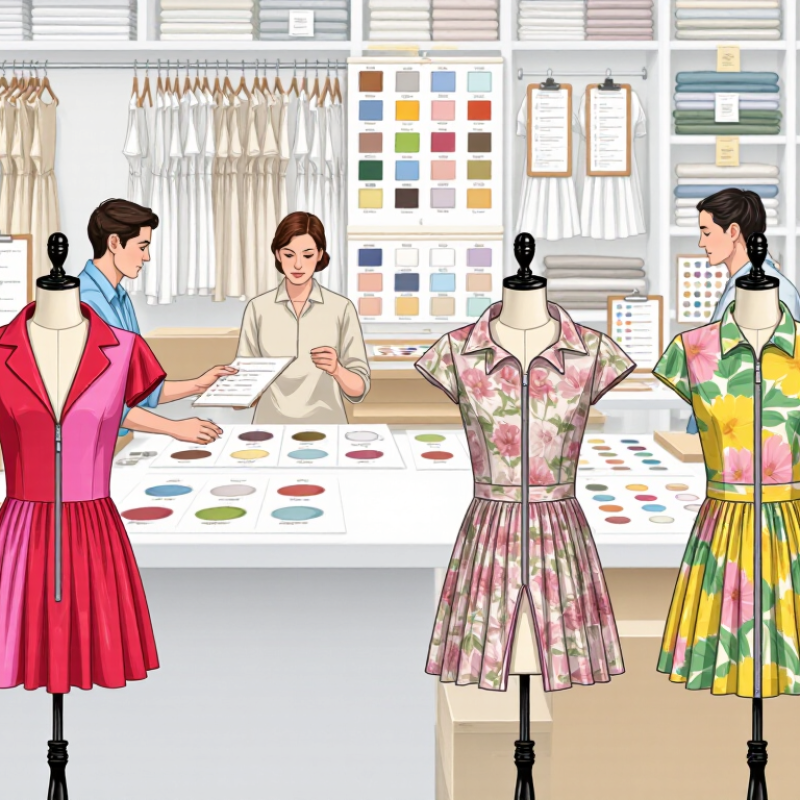
The best supplier is not simply the one offering the lowest quotation. In my sourcing experience, reliable suppliers show consistent fabric quality, accurate measurements, and clear production records. They should understand casual styling, seasonal floral placement, and comfortable movement. Fit matters.
A professional supplier normally provides fabric details, size charts, sample options, and realistic lead times. Ask for a physical sample before approving bulk production. Check the hem, lining, zipper, stitching, and print alignment under natural light. Small defects become expensive problems later. A capable factory also explains shrinkage, colorfastness, and washing performance without avoiding difficult questions.
Production control separates an ordinary workshop from a dependable partner. Look for documented inspections during cutting, sewing, and packing. Transparent communication is equally important when patterns change or fabric becomes unavailable. However, no supplier is perfect. Samples can look excellent while bulk pieces reveal slight measurement differences. That risk requires written specifications, pre-shipment checks, and practical tolerance limits.
The right supplier should also support responsible material sourcing and safe working conditions. Request relevant factory information, test reports, and export experience for your target market. A useful supplier listens carefully, suggests realistic improvements, and admits limitations early. Price matters, but repeatable quality protects the collection. Personally, I would choose steady communication over impressive promises.
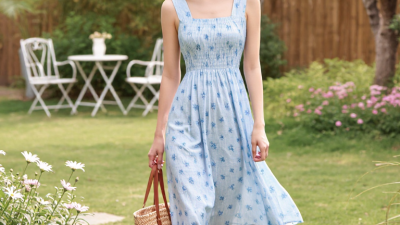
A reliable supplier should show more than attractive floral samples. Request factory audit records, export experience, production capacity, and clear subcontracting disclosures. Textile Exchange’s 2024 Materials Market Report states that global fiber production reached 124 million tonnes in 2023. This scale increases the need for material traceability and waste controls.
For casual floral mini dresses, check fabric composition, GSM, shrinkage, colorfastness, seam strength, and print durability. Ask for test results based on ISO 105-C06 for colorfastness, ISO 6330 for washing, and ISO 5077 for dimensional change.
A professional supplier should provide pre-production samples, graded size measurements, needle inspection records, and final inspection reports. Small details matter. A loose strap can damage an entire shipment.
Tips: Compare at least three suppliers using the same specification sheet. Request a sealed fabric swatch before bulk production. Confirm whether digital or screen printing is used, because each method affects color depth and hand feel. Also check packaging, carton strength, and moisture protection.
Supplier certificates can support trust, but they are not complete proof. An audit may miss rushed stitching or uneven hems. I would require random third-party inspections and retain approval samples. Textile Exchange’s data also shows why recycled and preferred fibers deserve careful verification; supplier claims should match transaction records and test documents. The process is not flawless. Good buyers keep questioning it.
China Best Casual Floral Mini Dress Suppliers?
A reliable supplier should explain fabric performance, not only show attractive photographs. Start with composition, GSM, stretch recovery, shrinkage, and colorfastness test results. Cotton poplin feels crisp, while rayon offers softer drape and movement. Polyester blends usually improve durability and print consistency. Textile Exchange’s 2024 Materials Market Report recorded 124 million tonnes of global fiber production in 2023. That scale makes traceable material choices increasingly important. Ask for fiber certificates and production-lot records. A beautiful sample can still fail after washing.
Design evaluation needs practical testing. Check floral scale on the bust, hem, and side seams. Large flowers may look uneven after pattern cutting. Review neckline strength, lining coverage, zipper quality, and seam allowance. Request a physical sample before bulk production. Customization may include colorways, sleeve shapes, lengths, labels, packaging, and graded size charts. Confirm minimum order quantities, sample charges, lead times, and approval stages in writing. I sometimes trust a supplier’s sample too quickly. That is a costly mistake.
Tips: Wash the sample three times. Measure shrinkage afterward. Test rubbing on white fabric. Compare the approved print with bulk panels. Use a clear tech pack with artwork, Pantone references, measurements, and tolerances. Suppliers who answer with specific evidence usually deserve closer attention. Suppliers who avoid testing deserve caution.
When comparing China’s casual floral mini dress suppliers, minimum order quantity often shapes the real cost. Small workshops may accept 50 to 100 pieces per color. Larger factories may request 200 or more. Ask whether the MOQ applies per style, color, or total order. This detail changes your buying plan. I have found that mixed-size orders need written confirmation. Verbal promises can become expensive mistakes. Request a sample before approving bulk production. It reveals fabric weight, print alignment, stitching, and shrinkage.
Prices usually range from about $6 to $18 per piece before shipping, depending on fabric, print method, lining, and order volume. Very low quotes deserve careful checking. They may exclude labels, packaging, or pattern adjustments. Compare identical specifications, not attractive headline prices. Request a cost sheet with fabric composition and measurement tolerances. A reliable supplier should explain revisions clearly. Still, price comparisons are imperfect when fabric markets change monthly.
Lead times commonly run 7 to 15 days for samples and 25 to 45 days for bulk orders. Custom prints or busy seasons can extend production. Confirm the starting date in writing. Also check inspection support, photo updates, replacement policies, and export documentation. Fast replies are useful, but not enough. One supplier answered quickly yet missed sleeve measurements twice. That experience taught me to use a signed tech pack and approval checklist. Clear service reduces avoidable delays, although no schedule is completely risk-free.
Selecting a Chinese supplier for a casual floral mini dress requires evidence, not attractive photos. Request a complete tech pack, fabric composition, size chart, print files, and stitching requirements. Ask for production photos, machine capacity, monthly output, and recent third-party test reports. A video call should show the cutting table, sewing lines, and finished-goods area. Verify business registration and factory ownership through reliable commercial records. Test before scaling.
The 2024 Textile Exchange Materials Market Report states that global fiber production reached 124 million tonnes in 2023. This scale makes material traceability increasingly important. Ask whether the supplier can document fiber origin, dyeing controls, and wastewater procedures. UNEP estimates that textiles create 2–8% of global greenhouse-gas emissions. That range is broad, but it deserves practical questions about energy use and packaging. A small trial order can reveal more than a polished showroom. Measure print alignment, seam strength, shrinkage, colorfastness, and delivery accuracy. Record every defect with photos and corrective deadlines. Keep records.
Partnering works better with a written quality agreement. Define acceptable defect limits, inspection points, payment stages, replacement terms, and communication hours. Confirm minimum order quantities before developing several floral patterns. Review one pre-production sample after washing it, not only before washing. A perfect sample can still hide weak bulk control. This is where many buyers become too optimistic. Require weekly progress updates during cutting and sewing. Compare the final shipment against the approved sample and measurement sheet. Reliable suppliers welcome clear checks, even when feedback feels uncomfortable.