Welcome to the TopShow!Garment manufacturing !
OEM, ODM Service,Custom color Custom logo,Custom Your Own Brand Online!

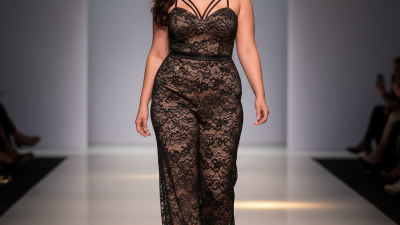
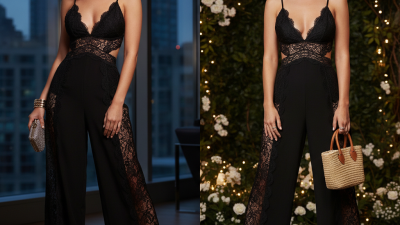
In the world of fashion, the "Sexy Strap Lace Jumpsuit" stands out as a bold choice for wholesale buyers. This versatile garment combines elegance with a touch of allure. It captures attention with its delicate lace detailing and strap design, making it perfect for various occasions.
Wholesale buyers are always on the lookout for unique pieces that enhance their collections. The Sexy Strap Lace Jumpsuit offers that uniqueness. However, not all styles fit every market. Understanding your audience is key. Consumers value comfort alongside style, and this jumpsuit strikes a balance. Its fabric choice also plays a crucial role in determining demand.
While the aesthetic appeal is undeniable, the practicality of this jumpsuit cannot be overlooked. Consider how it can fit into diverse wardrobes. Reflect on color choices and sizes. Are they inclusive enough? Overconfidence in a singular style can lead to unsold inventory. Embrace feedback and market trends. In the realm of wholesale fashion, adaptability and awareness are essential for success.
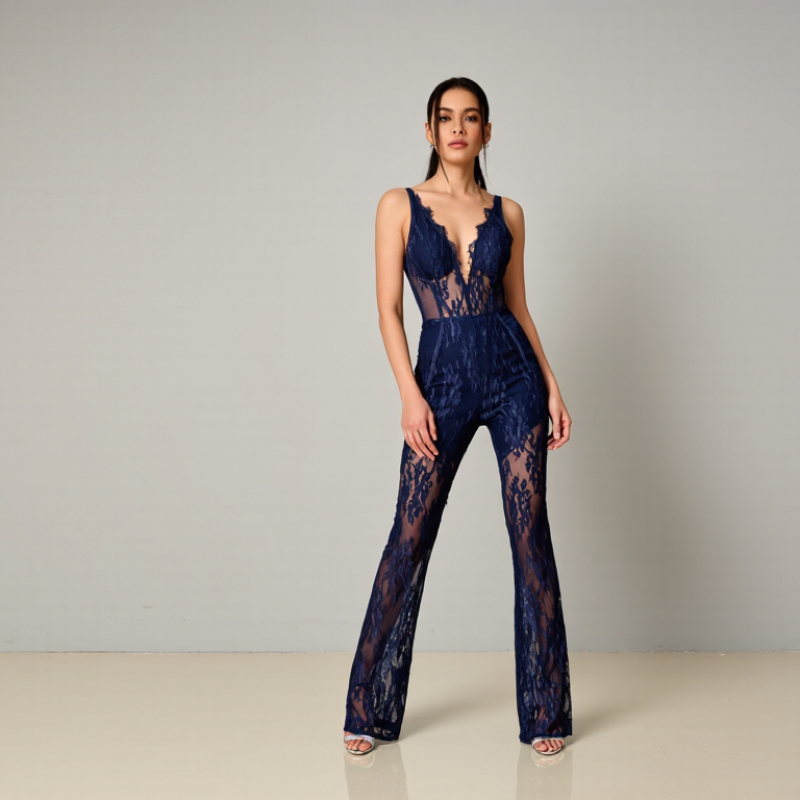
In 2026, a sexy strap lace jumpsuit is defined by balance: visible lace, a considered fit, and enough support for comfortable wear. Adjustable straps help buyers accommodate different torso lengths, while a lined bust and soft, stretch lace can reduce irritation. Look closely at lace placement under the arms and across the waist; rough seams show quickly against skin. No cut suits everyone. That is worth admitting when building a size range.
The wider market offers useful context, but not a product forecast. Grand View Research estimated the global lingerie market at about US$94.6 billion in 2023 and projected a 6.1% compound annual growth rate from 2024 to 2030. For wholesale buyers, that signals a substantial category, not guaranteed demand for any single silhouette. Request graded samples, check strap adjusters and hook strength, and inspect the garment after washing. A dramatic photo can hide weak recovery in stretch fabric.
Tips: Ask suppliers for fabric composition, lining details, and measurement tolerances. Test one sample on more than one body shape. If the lace puckers or the straps slip, revise the fit before placing a bulk order. Small details matter.
For 2026 wholesale orders, assess a strap lace jumpsuit by its fit, support, and finish—not just its appearance. Adjustable shoulder straps help accommodate different torso lengths, while a lined bodice can reduce transparency without hiding the lace pattern. Check that the strap attachment points have reinforced stitching. Sit, reach, and bend in the sample; a sleek hanger fit can conceal pulling at the crotch or underarm. Small details matter.
Lace choice affects comfort, durability, and price. Stretch lace can move with the body, while non-stretch lace often needs careful panel placement and stronger seam planning. Textile Exchange’s Materials Market Report 2024 estimated global fiber production at 124 million tonnes in 2023, with polyester accounting for about 57%. This is broad fiber-market context, not lace-specific data, but it underscores the value of asking suppliers for clear fiber-composition details. Request close-up photos of seams, lining, and closures, then check how the garment looks after gentle washing. One trade-off remains: softer lace may snag more easily.
Tips: Compare graded samples across sizes. Inspect strap adjusters and zipper ends. Ask for fabric composition and care details in writing. Test one sample before placing a large order. A little extra checking can prevent avoidable returns.
The specifications below are practical design options for product development, not universal industry standards. Confirm fabric performance, fit, and labeling requirements with the supplier and through sample testing.
| Design Area | Suggested Specification | Buyer Considerations | Sample Check |
|---|---|---|---|
| Overall silhouette | One-piece, close-fitting design with a defined waist, full-length legs, and adjustable shoulder straps. | Check body length, rise, and leg length across the intended size range; these affect fit and ease of dressing. | Try on samples in more than one size and check movement when sitting, reaching, and walking. |
| Straps and neckline | Adjustable narrow straps with securely attached sliders; neckline shape may be straight, V-shaped, or softly curved. | Metal or plastic adjusters should suit the product’s care instructions and intended wear. Strap placement affects support and coverage. | Check that adjusters move smoothly and straps remain secure under gentle tension. |
| Stretch lace | Elastic lace with a stretch fiber such as elastane, blended with fibers such as nylon or polyester. | Stretch can support a close fit, but recovery and lace construction vary. Request the actual fiber composition and fabric specifications. | Compare the fabric’s stretch and recovery in both directions; check that motifs do not distort excessively when worn. |
| Non-stretch lace | Woven lace, such as corded lace, used for panels or overlays where a more structured appearance is desired. | Non-stretch areas may need shaping seams, a stretch base layer, or additional wearing ease to allow comfortable movement. | Check seam placement, mobility, and whether the lace edge feels comfortable against the skin. |
| Eyelash lace trim | Lace with decorative, fringe-like yarn ends along one or more edges, used selectively at a neckline or hem. | Trim can add texture but may catch or shed if poorly finished. Avoid placing delicate edges where they receive heavy friction. | Inspect the trim attachment and check for loose yarns after gentle handling. |
| Lining and opacity | Use a soft stretch lining in selected body areas; leave lace unlined where transparency is part of the design. | Coverage depends on lace openness, lining color, and garment color. State intended coverage clearly in product details. | Assess opacity under bright lighting and check that the lining does not twist or show unevenly through the lace. |
| Seams and edges | Use seam finishes suited to the fabric’s stretch; stabilize strap attachment points and other high-stress joins. | Needle choice, stitch type, and seam allowance should be tested on the actual lace to reduce skipped stitches, puckering, or damage. | Inspect seams for skipped stitches, loose threads, puckering, and uncomfortable bulk; gently stretch seams during review. |
| Waist shaping | Use shaped seams or an integrated stretch panel to define the waist without relying on restrictive rigid components. | Consistent placement is important for fit. Any elastic should be enclosed or finished to limit direct skin irritation. | Check waist comfort during movement and confirm the garment returns to shape after wear testing. |
| Closure and dressing | Choose a closure-free pull-on design when fabric stretch permits, or add a discreet closure where needed for dressing. | Closure placement should not interfere with lace motifs or create pressure points. Follow the closure maker’s care guidance. | Open and close the fastening repeatedly; check attachment strength and ease of use. |
| Crotch construction | For styles designed as underwear or intimate apparel, consider a lined gusset with a soft, skin-contact fabric. | Confirm the intended garment category and required labeling or hygiene provisions for the selling market. | Check that the gusset lies flat, seams are comfortable, and the lining is securely attached. |
| Color and shade control | Approve a production color standard for the lace, lining, thread, and any trims before bulk production. | Different materials can absorb dye differently, so matching components may vary in shade even when specified as the same color. | Review all components together under consistent lighting and approve a pre-production sample. |
| Care and durability | Set care instructions based on the combined garment materials, trims, and construction. | Delicate lace and attached hardware may require gentler care than a basic stretch knit; verify instructions through testing. | Wash-test a sample according to the proposed care label and inspect for shrinkage, color change, seam damage, or trim issues. |
Wholesale buyers judge fit from more than a model photo. A lace strap jumpsuit should sit securely at the bust, waist, and hips without pulling its lace motifs out of shape. Adjustable straps help, but they cannot fix every fit issue. Request a measurement chart with garment measurements, not just body ranges. Compare the rise, torso length, and inseam across sizes; a long torso can turn a polished sample into an uncomfortable fit. Test at least two sizes on different body shapes. Small checks matter.
Color changes perceived fit and buyer appeal. Black often reads sleek, while jewel tones can make lace details stand out under store lighting. Screens can mislead. Ask for physical swatches and review them in daylight and warm indoor light. Pale shades may show lining edges more clearly, so inspect coverage and seam placement before ordering in bulk. Compare color consistency across the lace, lining, and straps. Buyers sometimes choose a shade from a screen, then regret it. Have a sample washed and worn, record any stretching, and adjust the specifications before production. Even a popular color can disappoint if the torso runs short or the lace feels scratchy after several hours.
Fit comfort and clear size information lead this illustrative buyer-planning index. Offering a broader size range and versatile color choices can also help make a wholesale assortment more appealing. Scores are directional planning estimates, not results from a market survey.
For wholesale buyers, a lace jumpsuit should look striking and feel dependable after repeated handling. Check the lace under bright light for uneven holes, loose threads, and color differences between panels. Inspect strap attachment points and inner seams; these areas often show stress first. The garment should lie flat without twisting at the waist. Small flaws matter.
Ask suppliers for a pre-production sample and written fabric, sizing, and care specifications. Compare measurements across sizes, not just on one sample. Request information about fabric colorfastness and hardware materials, plus clear inspection and defect-handling procedures. Keep approved samples for later comparison. A smooth sales conversation is useful, but it is not proof of consistent production.
Tips: Stretch each strap gently, inspect stitching at close range, and photograph sample defects. Confirm packing methods and carton counts before ordering. Ask for relevant product-safety documentation and check that labels match the garment’s actual materials. A sample can still mislead if bulk fabric changes. I would allow time for a second review; rushing approval is an easy mistake.
For a strap lace jumpsuit, compare supplier quotes against the same specification: lace composition, lining, strap construction, size range, and packaging. A low unit price may exclude lining or custom labels. Ask for a sample and a written cost breakdown. Check whether the quoted minimum applies per style, color, or size. Small details change the real order cost.
Textile Exchange’s Materials Market Report 2024 puts global fiber production at 124 million tonnes in 2023. That figure is not a price guide, but it shows why fiber content matters: compare the actual material mix, not just the word “lace.” Request fabric composition and confirm whether quoted costs include trims, sampling, and freight. A spreadsheet can still mislead.
Lead times need the same careful comparison. Separate sample approval, fabric sourcing, production, and shipping, and ask when the clock starts. UNCTAD’s Review of Maritime Transport 2024 documents disruption to major shipping routes and freight-rate volatility. Build a buffer into delivery plans, especially when stock must arrive before a seasonal launch. Get the production schedule in writing. It may still slip. Check how the supplier handles delays, and compare that answer alongside minimums and landed cost.