Welcome to the TopShow!Garment manufacturing !

OEM, ODM Service,Custom color Custom logo,Custom Your Own Brand Online!

Leave Your Message
Request a Quote

What Are the Best Types of Beautiful Evening Gowns?

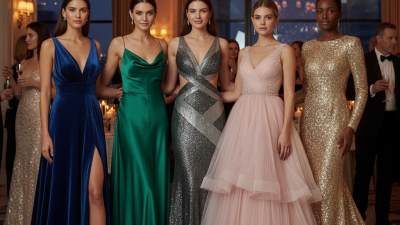
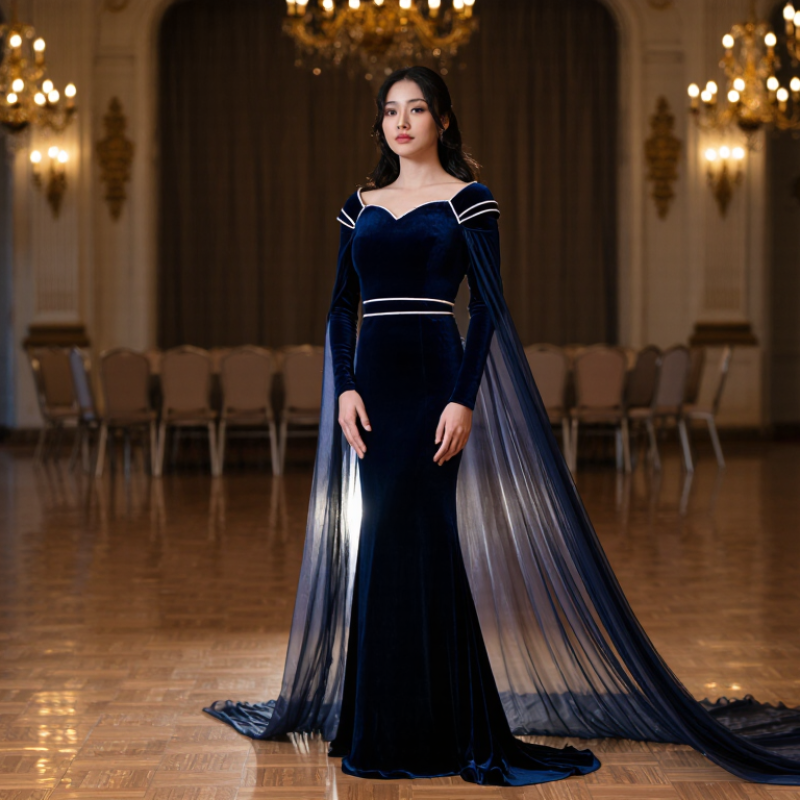
Choosing the best Beautiful Evening Gowns requires more than following seasonal trends. The right design should match the occasion, body movement, lighting, and personal confidence. A velvet column gown creates a deep, matte silhouette under warm chandeliers. Satin reflects light more sharply, while chiffon adds visible movement near the hem.

Industry data supports a more thoughtful approach. McKinsey and The Business of Fashion’s State of Fashion 2025 report describes a cautious fashion market, where consumers increasingly expect quality and lasting value. The GlobalData Apparel Market Analysis also identifies occasionwear as a category shaped by premium fabrics, fit, and emotional purchase decisions. However, reports often group eveningwear with broader formalwear, so their figures should not be treated as perfect measurements. That limitation matters.

Fit remains central. Tim Gunn, a respected fashion consultant and former Project Runway mentor, has said, “The magic is in the fit.” His observation explains why a simple crepe gown can appear more luxurious than an overloaded design. Shoulder placement, waist shaping, hem length, and comfortable support deserve close attention. A beautiful gown should not require constant adjustment.

The strongest choices balance elegance with practicality. Consider fabric weight, indoor temperature, seating, walking distance, and photography. A dramatic train may look exceptional on a staircase, but it can become inconvenient across a crowded reception floor. This guide examines silhouette, fabric, color, embellishment, and occasion suitability. Some recommendations remain subjective. Personal comfort still outweighs a perfect trend forecast.
What Are the Best Types of Beautiful Evening Gowns?

Defining the Features of a Beautiful Evening Gown

A beautiful evening gown begins with proportion, not decoration. In my fitting experience, the strongest designs follow the wearer’s posture, height, and movement. A clean shoulder line can make a dress look polished. A defined waist adds shape without restricting breathing. The skirt should fall smoothly, with enough room for walking and sitting. Beauty must survive real movement.

Fabric changes the entire impression. Silk-like satin reflects candlelight, while chiffon creates a softer, floating effect. Velvet offers depth and warmth for cooler venues. Reliable construction matters more than surface shine. Check even seams, secure closures, and a lining that feels comfortable against the skin. I also inspect the hem, because uneven length can ruin an otherwise refined silhouette. Small details speak loudly.

Necklines and sleeves should support the occasion, not compete with it. A square neckline feels structured, while a draped neckline appears gentler. Long sleeves can add elegance, but they may limit arm movement. Color deserves practical thought too. Deep tones often photograph well, yet pale shades can brighten an indoor room. I once chose dramatic embellishment over comfort, and regretted it before dinner ended. A gown should invite confidence, even when its design remains quietly restrained.
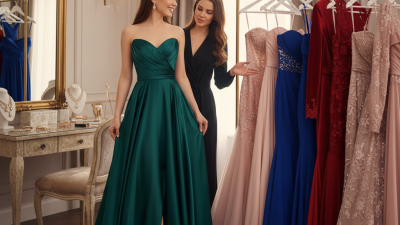
Comparing Popular Evening Gown Silhouettes

Beautiful evening gowns are best compared by silhouette, not decoration. The A-line remains the safest choice: its fitted bodice and gradual skirt suit pear, hourglass, and straighter figures. It also allows easier walking and discreet movement at crowded events. The column gown creates a cleaner vertical line, especially in satin or crepe. However, it can feel restrictive when the fabric has little stretch. The mermaid silhouette gives the strongest waist-and-hip definition, but its flare often shortens comfortable strides.

The ball gown offers drama through a structured bodice and full skirt. It works well in large venues, yet can overwhelm a small room. The sheath silhouette feels modern and light, though it reveals fit issues quickly around the waist and hips. A 2024 McKinsey and Business of Fashion State of Fashion report describes a cautious luxury consumer who expects stronger value and lasting quality. That finding supports choosing construction over excessive surface detail. PwC’s 2024 Voice of the Consumer Survey also found that price remains a major purchase concern, making versatile silhouettes more practical for repeated formal use. My fitting experience suggests one overlooked detail: hem length changes the entire silhouette. A gown touching the floor can look elegant, but it may catch underfoot. I still think many style guides underrate comfort. The “best” shape depends on posture, venue scale, fabric recovery, and how confidently the wearer can move.

What Are the Best Types of Beautiful Evening Gowns? - Comparing Popular Evening Gown Silhouettes

Silhouette Defining Shape Best For Movement & Comfort Typical Formality Suitable Fabrics Styling Considerations
A-Line Fitted through the bodice with a skirt that gradually widens from the waist, creating an “A” shape. Most body types; especially useful for balancing the hips and creating a defined waist. Generally easy to walk and sit in; comfort depends on the skirt volume and lining. Versatile for weddings, galas, receptions, and formal dinners. Chiffon, crepe, satin, taffeta, lace, and lightweight mikado. A timeless choice that pairs well with statement earrings, a defined waist, and either heels or dressy flats.
Ball Gown A fitted bodice is combined with a very full, floor-length skirt, often supported by layers or structured fabric. Formal events and figures that suit a strongly defined waist and dramatic volume. Offers a grand appearance but can restrict stairs, seating, and dancing when the skirt is extremely full. White-tie, black-tie, formal galas, and ceremonial occasions. Tulle, organza, satin, mikado, velvet, and layered net fabrics. Keep accessories refined so the dramatic skirt remains the focal point; consider a bustle or discreet wrist loop for mobility.
Mermaid Close-fitting from the bodice through the hips and thighs, then flaring near the knee or lower leg. Those who want to emphasize the waist, hips, and overall curves. More restrictive around the knees; a kick pleat, stretch panel, or back slit can improve walking. Elegant black-tie events, evening weddings, and red-carpet-inspired occasions. Stretch crepe, jersey, satin, lace, and structured fabrics with flexible construction. Works well with a sleek updo and minimal jewelry; check the hem length carefully for comfortable movement.
Trumpet Follows the body through the torso and hips, then begins flaring above the knee in a gradual trumpet-like shape. Those seeking a fitted look with slightly more legroom than a traditional mermaid gown. Moderate mobility; the earlier flare can make walking and dancing easier than in a narrow mermaid style. Black-tie weddings, formal evening receptions, and sophisticated social events. Crepe, satin, lace, tulle, and fabrics with enough structure to hold the flare. A balanced choice for a sculpted silhouette; a side slit can add ease without changing the overall shape.
Sheath / Column A slim, straight silhouette that follows the body from the neckline to the hem without a wide skirt. Petite frames or anyone preferring a streamlined, elongated appearance. Usually lightweight and easy to manage; a slit or stretch fabric improves stride and dancing. Suitable for cocktail-formal events, galas, dinners, and modern black-tie settings. Crepe, jersey, charmeuse, silk, satin, and beaded lightweight fabrics. Long vertical lines, monochromatic styling, and pointed-toe heels can enhance the elongated effect.
Empire Waist The waistline sits just below the bust, with fabric falling loosely toward the floor. Those seeking a relaxed fit, extra torso length, or gentle coverage around the midsection. Highly comfortable when made with fluid fabric; the loose skirt allows an easy stride. Formal dinners, evening weddings, and romantic or vintage-inspired events. Chiffon, georgette, silk, satin, lace, and soft velvet. Emphasize the neckline with delicate jewelry; avoid overly heavy accessories that can overwhelm the fluid shape.
Fit-and-Flare Fitted at the bodice and waist, then widens through the hips or upper thighs into a softer flare. A wide range of body types; ideal for combining definition with a less dramatic skirt. Comfortable for many activities, particularly when the flare begins above the knee. Semi-formal to formal evening occasions, depending on fabric, embellishment, and length. Crepe, chiffon, satin, lace, jersey, and tulle overlays. A versatile silhouette that works with cropped jackets, elegant wraps, or a defined belt.
Tea-Length The hem typically falls between the knee and ankle, often around mid-calf. Events with a vintage, playful, or less traditional dress code; also practical for showing footwear. Very easy to walk and dance in compared with floor-length gowns. Cocktail, semi-formal, daytime-to-evening, and less traditional formal events. Taffeta, satin, lace, chiffon, brocade, and lightweight crepe. Choose polished shoes because the hem highlights the ankles; a fitted waist helps maintain proportion.

Choosing Fabrics, Colors, and Embellishments

Choosing fabric begins with movement, comfort, and the event’s setting. Satin creates a polished glow under evening lights. Chiffon feels lighter and softens the silhouette. Velvet offers warmth and rich depth, but it can appear heavy in crowded rooms. Lace adds texture, especially over a simple lining. Always test fabric under indoor lighting. A material that looks elegant outdoors may seem dull inside. During fittings, walking, sitting, and raising your arms reveal problems that a mirror can hide.

Color should support both skin tone and atmosphere. Deep emerald, midnight blue, and burgundy often create a formal impression. Soft rose, champagne, and silver can feel gentler. Still, color advice is not universal. Personal contrast, hair color, and lighting change the result. Hold fabric near the face before deciding. I once underestimated warm ivory; it looked beautiful on a table but washed out the wearer. That was a useful mistake.

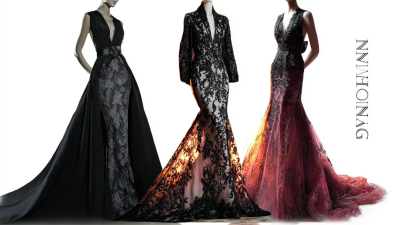
Embellishments need restraint and purpose. Beading near the neckline can frame the face, while scattered sequins add movement without overwhelming the gown. Embroidery works beautifully when its pattern follows the garment’s lines. Check the weight carefully. Heavy decoration may pull delicate fabric out of shape. Rough edges can also scratch the skin during several hours of wear. A small amount of thoughtful detail often looks more refined than full coverage. Leave room for movement.

Best Evening Gown Options: Fabric Performance by Design Need

This comparative 1–10 design assessment reflects commonly recognized characteristics of evening-gown fabrics. Chiffon offers the softest drape, velvet creates the strongest formal impression, while lace and tulle provide the greatest compatibility with embellishments. Satin delivers a balanced choice for polished silhouettes and rich color expression.

Matching Gown Styles to Body Shapes and Formal Events

The best evening gown begins with the wearer, not a fixed body-shape rule. A pear-shaped figure may suit an A-line skirt with structured shoulders. This balances the silhouette without hiding natural curves. An hourglass shape often looks elegant in a softly fitted gown with a defined waist. Fit comes first.

For a straighter figure, pleats, draping, or a layered skirt can create gentle movement. A column gown can also look refined, especially with a low back or sparkling earrings. Fuller busts usually benefit from supportive straps and a carefully shaped neckline. Deep necklines are not always the best choice. Comfort and secure construction matter during long events.

Event formality should guide the fabric and length. Floor-length gowns work well for evening weddings, charity dinners, and formal ceremonies. Velvet adds warmth for winter occasions, while chiffon feels lighter in warmer settings. A satin gown may photograph beautifully, but it can reveal wrinkles under bright lights. Check the dress while sitting, walking, and raising your arms.

These suggestions are useful, but they are not absolute. Personal style, posture, and tailoring can change the result completely. A gown that looks perfect on a model may feel awkward after three hours of wear. Small alterations, such as shortening the hem or adjusting the bust, often create more elegance than dramatic styling.

Evaluating Fit, Comfort, Quality, and Styling Options

What Are the Best Types of Beautiful Evening Gowns?

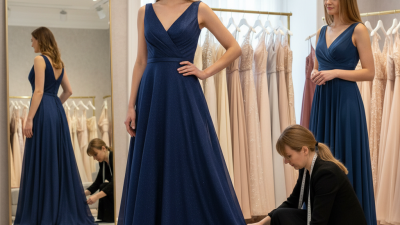
The best evening gown starts with a precise fit, not dramatic decoration. In professional fittings, I check shoulder placement, bust ease, waist movement, and hem clearance. A gown should skim the body without restricting breathing or sitting.

Small details matter. A hidden elastic panel can improve comfort, while soft lining reduces friction during long events. Yet I still get this wrong sometimes. A close fit may photograph beautifully but feel tiring after two hours.

Quality also depends on construction and material performance. Textile Exchange’s 2024 Materials Market Report recorded polyester as approximately 57% of global fiber production in 2023. This does not make every polyester gown poor, but fiber content should be judged with stitching, lining, recovery, and finishing.

McKinsey’s State of Fashion 2025 also highlights stronger consumer attention to value. A durable zipper, clean seam, and stable hem can matter more than excessive embellishment. Styling flexibility adds practical value: removable sleeves, adjustable straps, or a detachable overskirt can create different looks without requiring another gown.

Tips: Move before buying. Sit, walk, raise your arms, and test the closure. Check the gown under warm and cool lighting. Ask whether alterations are realistic. A beautiful silhouette is not enough if the neckline shifts or the fabric catches on jewelry. Try a simple hairstyle and shoes early; styling changes the gown’s balance. Leave room for imperfection, because comfort is often discovered through movement, not a mirror.