Welcome to the TopShow!Garment manufacturing !

OEM, ODM Service,Custom color Custom logo,Custom Your Own Brand Online!

Leave Your Message
Request a Quote

How to Choose the Best Dark Pink Floral Dress?

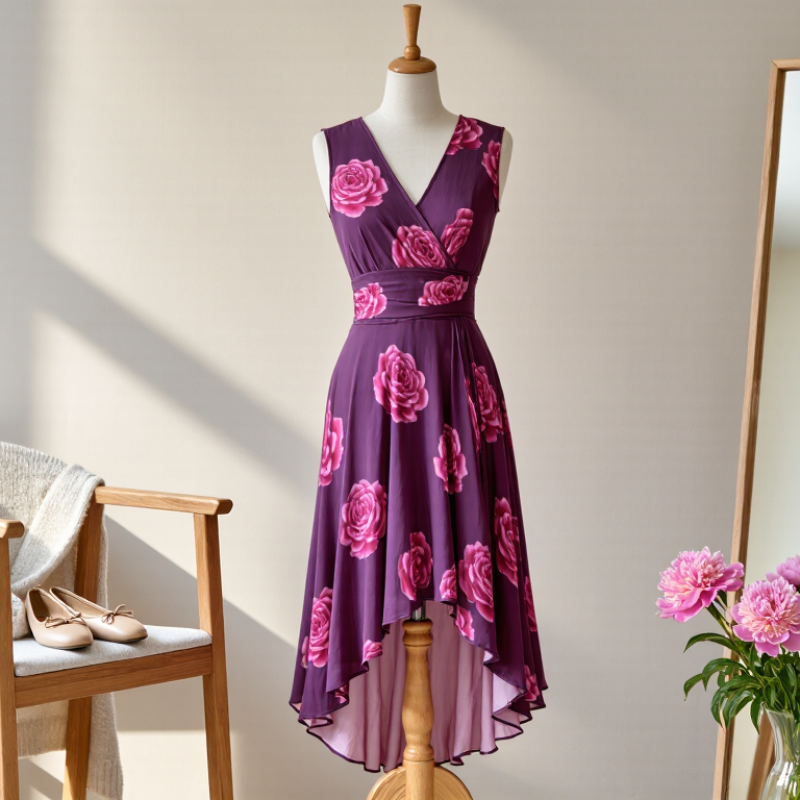
Choosing a Dark Pink Floral Dress is more than picking a pretty print. It means balancing color, fit, fabric, and occasion. The right dress can feel vivid without overwhelming you: imagine rose-colored petals against a deep background, a waist that sits comfortably, and fabric that moves instead of clinging. Small details matter.

Industry context helps explain why thoughtful choices count. The McKinsey and Business of Fashion State of Fashion 2024 report describes shoppers as increasingly value-conscious, making versatility and quality important considerations. That does not tell us which floral pattern will suit every person. It does suggest looking beyond a single event: Can the dress work with a cardigan, simple shoes, or a different accessory? Check the fabric label, seams, lining, and return policy before buying. A product photo may not show how the material feels or how the color appears in daylight.

Christian Dior is widely associated with the floral-fashion tradition, and a commonly attributed line says, “After women, flowers are the most lovely thing God has given the world.” The sentiment is charming, though it is not a practical fit test. Comfort is. In this guide, we’ll consider print scale, shade, silhouette, and fabric so you can choose with clearer expectations. There is no universal best dress. Your best choice should feel good when you sit, walk, and catch your reflection in natural light.
How to Choose the Best Dark Pink Floral Dress?

What Defines a Dark Pink Floral Dress?

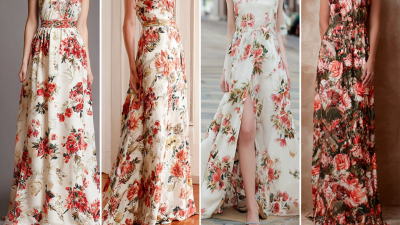
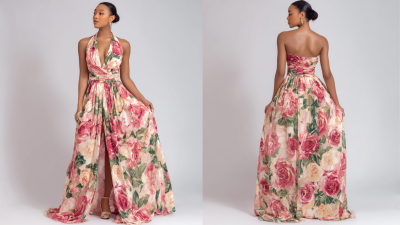
A dark pink floral dress is defined by both its color and its print. The ground usually sits between muted rose and deep fuchsia, with enough depth to feel richer than blush pink. Floral motifs may be delicate buds, loose watercolor blooms, or bold, clearly outlined flowers. Their colors shape the overall effect: cream petals soften the look, while burgundy or green details add contrast. The background matters, too. A dark pink base makes pale flowers stand out, but dense prints can look busy from a distance.

Fabric and cut also influence how the pattern reads. On a lightweight, flowing fabric, blurred flowers can feel relaxed; on crisp cotton, sharper motifs often look more structured. Check how the print falls across seams and gathers. A flower split awkwardly at the waist can distract, though it is not always avoidable. There is no perfect formula. Sometimes a dress looks different in daylight than it does under indoor lighting.

Tips: View the color near a window, and check whether the flowers remain distinct from a few steps away. For a calmer outfit, choose smaller motifs and simple accessories. For more impact, try larger blooms—but trust your eye, not just the product photo.
Which Fabrics and Floral Patterns Suit Different Occasions?

For daytime weddings, garden parties, or brunch, choose a dark pink floral dress in cotton poplin or a light linen blend. These fabrics feel breathable and hold their shape without looking overly formal. Small, scattered flowers suit casual settings; larger blooms create a bolder look for photographs. Dark pink can feel heavy in strong sun, so look for a pale lining. A little airflow matters.

For evening dinners, try a fluid viscose blend or lightweight satin, paired with larger, spaced-out florals. The sheen catches warm indoor light, while a darker background keeps bright petals from feeling too sweet. Check the fabric under direct light before buying; thin materials may show seams or cling. Textile Exchange’s Materials Market Report 2024 estimates that polyester made up about 57% of global fiber production in 2023. That figure reflects widespread use, not a guarantee of comfort, so inspect the lining and fabric composition.

For outdoor events, match the pattern scale to the setting: tiny sprigs feel relaxed, while dense blooms can appear busy against a crowded backdrop. I’d reconsider very delicate fabrics for long garden days; grass, wind, and sitting can wrinkle them quickly. The European Environment Agency reported EU textile consumption of about 19 kilograms per person in 2022. A dress that works for more than one occasion may earn more wear, but versatility is personal. Try it sitting down, too.

How Should You Choose the Right Fit and Length?

A dark pink floral dress should skim your body, not pull across the bust or twist at the waist. Check the shoulder seams, then sit and raise your arms; the fabric should move without straining. Compare your bust, waist, and hip measurements with the garment’s size chart, since the best size can differ by cut. If you are between sizes, consider the fabric: woven cotton usually gives less than stretch jersey. A little ease helps.

Length changes how the print reads. A knee-length hem can keep a dense floral pattern feeling lively, while a midi hem creates a longer line; try both with the shoes you expect to wear. Look at the hem from the side, too. It should not catch awkwardly at the widest part of your calf unless that is the effect you want.

The National Retail Federation and Appriss Retail estimated U.S. retail returns at 14.5% of sales in 2023. That figure covers all return reasons, not fit alone, but it underlines why checking measurements matters. Online size charts are still imperfect. If possible, compare the dress’s actual measurements with a similar dress you already own, and inspect where the waist seam lands when you move. A floral placement that looks balanced on a hanger may shift when worn.

What Colors and Accessories Pair Well With Dark Pink Florals?

Dark pink florals already bring plenty of color, so let the print lead. Cream, warm white, and soft beige create a calm contrast without making the outfit feel flat. For a sharper look, try navy shoes or a slim navy belt; the deep tone grounds the pink. Sage green can also work, especially when the dress has leafy details. Keep the green muted rather than bright. A little restraint helps.

Tips:

Match accessories to the scale of the print. Small flowers pair easily with delicate earrings, while larger blooms can handle a simple statement cuff. Gold jewelry adds warmth; silver feels cooler and more understated. Choose one focal accessory, not three. A cream bag and low neutral heels are reliable for daytime, while dark shoes can make the look feel more evening-ready. Check the colors in daylight, since indoor lighting can shift how pink appears.

For a softer finish, layer a light cardigan or tailored jacket in ivory, taupe, or muted gray. If the dress has a busy pattern, avoid competing stripes or bold checks. Texture can add interest without adding another print: try a woven bag, smooth leather, or a fine-knit layer. I sometimes find that a “perfect” color match looks too deliberate; a close, quieter shade often feels more natural.

How Can You Care for a Dark Pink Floral Dress?

A dark pink floral dress needs gentle care to protect both its color and printed petals. Check the care label before washing, because fabric blends can react differently to water and heat. Turn the dress inside out, then wash it in cold water with a mild detergent. A mesh laundry bag can reduce friction around seams and delicate flowers.

Test for color bleeding first. Dab a hidden area with a damp white cloth. If pink appears, wash the dress separately. Handle it gently. Avoid chlorine bleach, which can fade dark pink tones and weaken fibers. After washing, press out excess water without twisting the fabric. Shape the dress on a padded hanger or lay it flat while damp. Air is better. Direct sunlight may leave uneven pale patches, especially near the shoulders and hem.

For wrinkles, use a steamer on a low setting from the reverse side. Keep the nozzle slightly away from the fabric. If ironing is necessary, place a thin cotton cloth between the iron and dress. I once dried a floral dress too close to a sunny window, and one side became noticeably lighter. That mistake was avoidable. Store the dress in a cool, dry wardrobe, with space around it. Do not use heavy clips on thin straps. Before storing it for months, make sure it is completely dry, since hidden moisture can encourage mildew.

How to Choose the Best Dark Pink Floral Dress? - How Can You Care for a Dark Pink Floral Dress?

Evaluation Dimension Recommended Standard Why It Matters Care Guidance
Color Tone Choose a dark pink shade that complements your skin undertone and intended occasion. Deep pink can look refined for evening events while remaining expressive for daytime wear. Wash with similar or dark colors to reduce the risk of visible color transfer.
Floral Scale Select small prints for a subtle appearance or large prints for a stronger visual statement. Print scale affects how noticeable the pattern appears and can influence the overall balance of the outfit. Turn the dress inside out before washing to help reduce surface friction on printed areas.
Fabric Type Cotton is generally breathable; polyester is often wrinkle-resistant; rayon and viscose usually provide soft drape. Fiber content influences comfort, airflow, drape, wrinkle behavior, and cleaning requirements. Follow the garment-care label because washing and drying instructions vary by fiber and construction.
Fit and Ease Check bust, waist, hip, and garment-length measurements rather than relying only on size labels. Measurements differ between garments, and adequate ease improves movement and comfort. Use a padded hanger or fold the dress neatly to help preserve its shape between wears.
Construction Quality Look for even seams, secure hems, neat stitching, and a smooth, functional zipper or fastening. Careful construction can improve durability and reduce the likelihood of loose threads or seam damage. Close zippers and fasteners before washing to limit snagging and abrasion.
Comfort and Lining Consider a breathable lining, non-irritating seams, and sufficient coverage for the planned setting. A suitable lining can improve comfort, opacity, and the way the dress falls over the body. Avoid high heat unless the care label specifically permits it, as heat may affect lining and shape.
Colorfastness Check Review the care label and test an inconspicuous area with a clean, damp white cloth when appropriate. Some dark or strongly dyed fabrics may release excess dye, especially during early washes. Stop and use professional cleaning advice if noticeable dye transfers to the cloth.
Washing Method Use the gentlest method allowed by the care label; cold or cool water is commonly preferred for colored garments. Gentle handling and lower temperatures can help limit fading, shrinkage, and fabric stress. Avoid bleach unless the label explicitly permits it; chlorine bleach can damage many colored textiles.
Drying Method Air-dry when permitted, preferably away from direct sunlight. Excessive heat may cause shrinkage or distortion, while strong sunlight can contribute to fading. Reshape the dress while damp and avoid wringing delicate or draped fabrics.
Stain Treatment and Storage Treat spills promptly with a method suitable for the fabric, then store the clean, completely dry dress in a cool, dry place. Prompt treatment may prevent stains from setting, while dry storage helps reduce mildew and odor risks. Blot rather than rub, avoid untested household chemicals, and keep the dress away from prolonged direct sunlight.
Important: The garment-care label takes priority because fabric blends, dyes, trims, and construction can require different cleaning methods.