Welcome to the TopShow!Garment manufacturing !

OEM, ODM Service,Custom color Custom logo,Custom Your Own Brand Online!

Leave Your Message
Request a Quote

How to Style a Color Block Mod Dress?

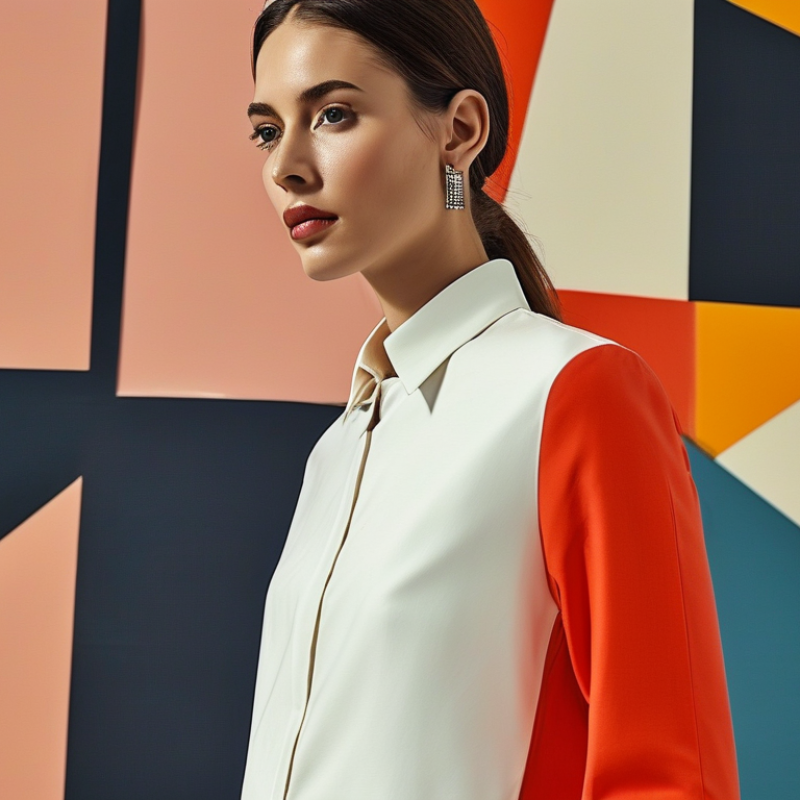
A Color Block Mod Dress brings bold geometry into everyday styling. Its sharp panels, saturated hues, and clean silhouette can make an outfit feel instantly polished. However, strong color placement also changes how the eye reads your proportions. A reliable styling approach begins with the dress itself. Notice which shade frames your face and which panel creates visual width. Soft daylight helps reveal those details better than harsh store lighting. Start with balance. Let the dress remain the main statement.

From practical styling experience, simple accessories usually create the most wearable result. Try white leather sneakers for a casual afternoon, or pointed black flats for a more refined appearance. A structured bag can echo the dress’s straight lines without competing with its colors. Silver jewelry works well with cooler blocks, while warm metal can soften earthy combinations. Your comfort matters too. A beautiful look may fail if the fabric pulls when you sit or the hem shifts while walking. Check the care label before steaming or washing, especially when contrasting dyes are involved.

Not every styling rule works for every body or occasion. I once paired a vivid dress with equally bright shoes, and the outfit felt busier than expected. That mistake was useful. It showed how one repeated color can connect the look, while several competing accents can weaken it. Consider your setting, movement, and personal habits before copying an outfit photo. The best result feels intentional, comfortable, and recognizably yours. The following guide explores practical ways to style a Color Block Mod Dress with confidence, restraint, and room for personal experimentation.
How to Style a Color Block Mod Dress?

Understanding the Structure of a Color Block Mod Dress

How to Style a Color Block Mod Dress?

Understanding the Structure of a Color Block Mod Dress

A color block mod dress is built around bold sections of contrasting color. Its visual energy comes from geometry, not decoration. Common structures include vertical panels, curved inserts, and sharp blocks across the waist. Each section changes how the eye reads the body. A darker side panel can create a narrower impression. A bright center panel can draw attention forward. The neckline also matters. A high neckline feels graphic, while a square neckline adds controlled softness.

Look closely at the seam placement. Clean seams usually support the dress’s architectural shape. Stretch fabric can follow the body, but heavy fabric may hold a stronger A-line silhouette. Short hemlines often emphasize the mod influence. A longer hem can make the same color layout feel calmer. I prefer testing the dress under natural light. Indoor lighting can distort color relationships. Very useful.

Accessories should respect the dress’s structure. Simple geometric earrings can repeat its sharp lines. A compact bag keeps the silhouette clear. Shoes with a clean toe shape usually work better than heavily detailed styles. When the dress already uses three colors, adding another strong shade may create visual noise. Black, cream, or one existing dress color offers safer control.

Fit deserves practical attention. Check whether the panels stay aligned while walking or sitting. A twisted seam can weaken the intended design. I once assumed a looser fit looked more modern, but it hid the color architecture. That choice needed reconsideration. The best styling keeps the garment’s construction visible without making comfort an afterthought.
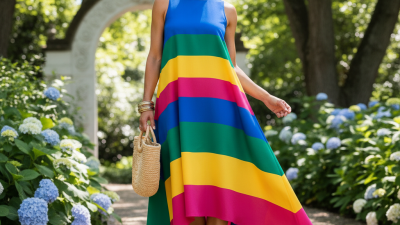
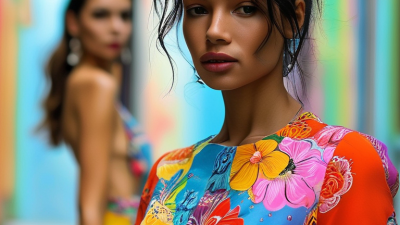
How to Style a Color Block Mod Dress? - Understanding the Structure of a Color Block Mod Dress

Dress Structure Typical Design Detail Styling Purpose Recommended Styling Choice Visual Effect
Neckline Round, boat, square, or high neckline with contrasting color panels Frames the face and controls the visual weight of the upper body Use simple earrings for a high neckline; add a short pendant to an open neckline A clean neckline keeps bold color placement from looking crowded
Shoulder and Sleeve Short sleeves, fitted sleeves, or structured cap sleeves Balances the width of the bodice and reinforces a geometric silhouette Choose a compact sleeve with a sharp cuff or a neat rolled edge Defined shoulders create the crisp, youthful character associated with mod styling
Bodice Panels Two or more blocks arranged vertically, horizontally, or diagonally Creates contrast and visually defines the torso Keep accessories understated and repeat one panel color in shoes or a bag Vertical panels can lengthen the torso; horizontal panels can emphasize width
Waistline Natural waist seam, dropped waist, or uninterrupted shift-dress construction Determines whether the dress looks tailored or relaxed Add a slim belt only when the panel layout does not already define the waist A natural waist feels polished; a dropped or undefined waist gives a stronger 1960s-inspired shift effect
Skirt Shape Straight shift, subtle A-line, or structured trapeze shape Sets the overall proportion and movement of the dress Pair a straight shape with streamlined footwear; pair an A-line shape with low-profile shoes Straight cuts look graphic and modern, while A-line cuts provide more ease around the hips
Hemline Above-knee, knee-length, or slightly below-knee finish Influences formality, leg visibility, and footwear proportions Use opaque tights with shorter hems and bare legs or fine hosiery with longer hems A shorter hem feels energetic; a knee-length hem appears more balanced and versatile
Color Palette Usually two or three solid colors with clear boundaries Creates the signature graphic contrast of the garment Repeat one existing color in accessories instead of introducing several new shades Limited color repetition makes the outfit coordinated without competing with the dress
Fabric and Surface Firm woven fabric, smooth knit, or lightly textured material Supports the shape and affects how sharply the color blocks appear Choose smooth, matte accessories for textured fabric and add subtle texture to a plain dress Structured fabric sharpens the geometry; softer fabric creates a more relaxed interpretation
Footwear Low pumps, loafers, ankle boots, or simple flat shoes Completes the geometric line without overpowering the dress Select a solid neutral or a shade already present in the color blocking Streamlined footwear maintains the clean proportions of a mod-inspired outfit
Accessories Geometric earrings, compact handbag, narrow belt, or opaque tights Adds personality while preserving the dress's graphic structure Choose one statement accessory and keep the remaining pieces minimal Controlled accessorizing highlights the dress rather than creating visual competition
Quick Styling Formula: Let the color-block layout lead, repeat one dress color in a single accessory, and keep the remaining styling elements clean and geometric.

Choosing Colors That Balance the Dress’s Geometric Design

How to Style a Color Block Mod Dress?

Choosing colors that balance a geometric dress begins with visual weight. Strong blocks already create movement, so every accessory should not compete. Research summarized by the Institute for Color Research suggests that people form color impressions within 90 seconds. Color may influence 62% to 90% of that first judgment. This makes proportion important, not merely personal taste.

Study the dress’s largest color area first. Choose shoes or a small bag in that shade to create continuity. Then use the smallest color block for one controlled accent, such as earrings or a narrow belt. A neutral accessory can calm sharp contrasts. Black, cream, soft gray, and warm brown often work well. The 2024 State of Fashion report highlights versatility and value as key clothing priorities. A balanced color scheme can therefore improve repeat wear.

I prefer the 60-30-10 approach, though it is not a strict rule. Let the dominant color occupy about 60% of the look. Use a supporting shade for roughly 30%. Keep the accent near 10%. Avoid matching every color exactly. That can make the outfit look planned rather than styled. I sometimes choose an unexpected muted accessory and regret it later. Yet that mistake reveals something useful: geometric dresses need tension, but not visual noise. Test the outfit in daylight before leaving. Interior lighting can soften contrast and hide clashing undertones.

Selecting Shoes and Accessories for a Polished Mod Look

How to Style a Color Block Mod Dress?

A color block mod dress already creates strong visual movement, so shoes should provide structure rather than competition. I usually begin with a simple pair in black, cream, or a shade repeated in the dress. Clean ankle boots sharpen the look, while low block heels create a more polished line. For daytime, flat loafers or squared-toe shoes add a practical sixties-inspired touch. Keep the shoe shape firm and graphic. Very delicate sandals can make the outfit feel disconnected.

Accessories should echo the dress’s geometry.

Try a compact shoulder bag, oversized sunglasses, or a short pendant with clear angles. Choose one statement accessory, not several. A narrow belt can define the waist, but only if it does not interrupt an important color panel. Small hoop earrings or a sculptural ring often work better than layered jewelry. I pay close attention to metal tones, because mixing too many finishes can make the outfit look accidental.

Comfort still matters. Walk indoors before wearing the shoes outside, especially with a stiff sole or narrow toe. I once chose dramatic boots that looked perfect but distracted me all evening. The lesson was useful, though slightly annoying: polish depends on movement, not appearance alone. If the dress has glossy fabric, matte accessories usually soften the contrast. If it feels visually heavy, remove one piece.

Layering and Styling Options for Different Occasions

How to Style a Color Block Mod Dress?

Layering and Styling Options for Different Occasions

A color block mod dress already creates a strong visual rhythm. Keep the first layer simple. A fitted turtleneck works well beneath a sleeveless dress during cooler months. Choose one shade from the dress, rather than adding another competing color. Thin cotton adds warmth without changing the dress’s clean shape. I prefer smooth fabrics because bulky knits can distort the geometric lines.

For office settings, add a cropped jacket with structured shoulders. Keep its color neutral and let the dress remain the focal point. Low heels or polished loafers make the outfit practical for long hours. A narrow belt can define the waist, but test it carefully. I once added a wide belt and lost the dress’s original balance. The outfit looked heavier than expected. Small earrings and a firm leather bag provide enough detail without creating noise.

For casual afternoons, try a light overshirt worn open. Roll the sleeves once, then add simple ankle boots or clean canvas shoes. This approach softens the dress without hiding its pattern. For evening events, replace the overshirt with a sheer, lightweight layer and pointed shoes. Keep accessories limited to one noticeable piece. Bright metal can sharpen the look, while soft textures make it less severe. Check the outfit in natural light before leaving. Indoor lighting can hide clashing tones. Dress styling is partly technical, but personal comfort still decides whether the colors feel convincing.

How to Style a Color Block Mod Dress?

Layering and styling options for different occasions

This practical styling guide compares the recommended number of visible layers and key accessories for four occasions. Keep casual outfits light with one layer, add structured tailoring for workwear, and use refined accessories to create a polished evening look.

Adjusting the Outfit to Suit Your Body Shape and Personal Style

How to Style a Color Block Mod Dress?

Adjusting the Outfit to Suit Your Body Shape and Personal Style

A color block mod dress creates instant visual direction. Use that direction carefully. During fittings, I check where each color panel ends, because horizontal lines can widen an area. If you prefer more length, choose vertical panels or a darker center section. A defined waist seam can support an hourglass shape, while a straighter cut may feel easier on an athletic frame. These are starting points, not rules.

For a fuller bust, a modest V-neck can reduce visual heaviness. Wider hips may feel balanced with brighter color above the waist. Petite wearers often benefit from shorter hemlines and fewer competing panels. Try the dress with your actual shoes. Hemlines can look surprisingly different. I once chose a bold belt too quickly, and it disrupted the dress’s clean geometry.

Personal style should control the final details. Add angular earrings for a sharper mod effect, or use soft leather accessories for contrast. Keep the bag compact if the dress already carries strong color. McKinsey and The Business of Fashion’s State of Fashion 2025 describes a cautious, value-focused fashion market, making versatile styling increasingly practical. The 2025 ThredUp Resale Report, prepared with GlobalData, projects the global secondhand apparel market could reach 367 billion dollars by 2029. Better fit supports longer wear and easier resale. Still, comfort matters more than trend logic. If the neckline pulls, adjust it. If the colors feel unlike you, reconsider the dress.