Welcome to the TopShow!Garment manufacturing !

OEM, ODM Service,Custom color Custom logo,Custom Your Own Brand Online!

Leave Your Message
Request a Quote

China Top Ball Gown Manufacturers for Global Buyers

Choosing the right Ball Gown manufacturer can shape an entire collection’s reputation. Global buyers need more than attractive photographs and low quotations. They need consistent construction, dependable communication, ethical production, and realistic delivery schedules. A factory may display dramatic silhouettes, yet stitching, boning, lining, and embellishment reveal its true capability.

Vera Wang, a leading bridal and eveningwear designer, has said, “I want women to feel like they are the most beautiful version of themselves.” This idea matters when evaluating Chinese Ball Gown manufacturers. The strongest suppliers translate emotion into measurable details. They check fabric recovery, seam strength, hem balance, zipper performance, and color consistency. They also provide clear samples before bulk production. Small details matter.

China offers a broad manufacturing base for custom gowns, wholesale programs, and private-label collections. Experienced suppliers may support pattern development, size grading, hand beading, packaging, and international shipping coordination. Buyers should still verify every claim. Factory audits, sample reviews, material records, and customer references can expose weak points early. Certifications may help, but they do not replace direct inspection.

This guide examines leading manufacturers serving global buyers. It considers design skill, production capacity, quality control, customization, pricing transparency, and export experience. It also addresses practical concerns, including minimum order quantities and communication gaps. Not every supplier will fit every brand. That is the uncomfortable truth. A beautiful sample can hide inconsistent bulk results. Careful questions, documented approvals, and independent checks create greater confidence when selecting a Ball Gown production partner.
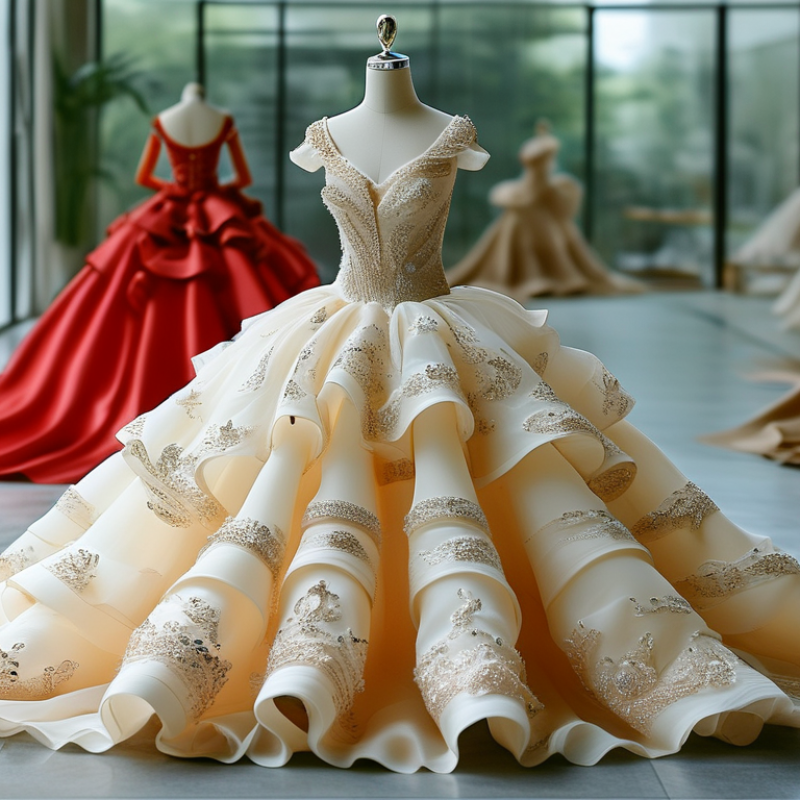
China Top Ball Gown Manufacturers for Global Buyers

Ball Gown Manufacturing Standards and Quality Requirements

Ball gown manufacturing demands more than attractive sketches. Global buyers should request documented specifications for fabric weight, lining composition, seam allowance, colorfastness, and dimensional stability. Testing can follow recognized methods such as ISO 105-C06 for colorfastness and ISO 6330 for washing stability. Each gown also needs controlled measurements at the bust, waist, hip, and hem. A three-centimeter hem variation can change the wearer’s balance.

Textile Exchange’s 2024 Materials Market Report estimates global fiber production reached 124 million tonnes in 2023. It may rise to 160 million tonnes by 2030. This scale makes traceability and material verification increasingly important. Manufacturers should provide fiber-content records, supplier declarations, and batch-level inspection results. For structured gowns, quality teams should check boning placement, zipper strength, lining tension, bead attachment, and internal finishing. A practical final inspection often uses an agreed AQL level, such as 2.5, but buyers must define critical defects separately.

Details matter.

Experienced inspectors should test the gown on a dress form, not only on a flat table. They can identify twisting seams, uneven drape, or pressure around the waist. ISO 9001-based procedures support corrective actions and production records, but certification alone cannot guarantee elegant workmanship. A weak sample may still pass paperwork. Suppliers should therefore retain approved samples, inspection photographs, and measurement charts for every production batch. Mistakes still happen, especially with layered tulle and hand-applied decoration. Honest reporting is more useful than hiding them.

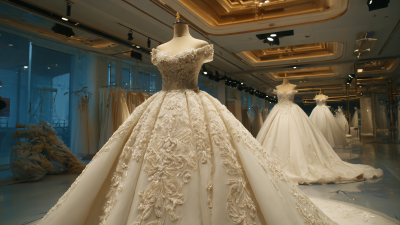
Key Regions and Capabilities of China’s Ball Gown Manufacturers

China Top Ball Gown Manufacturers for Global Buyers

China’s ball gown production is concentrated in several specialized regions. Suzhou is known for silk handling, bridal construction, and detailed handwork. Guangzhou and Chaozhou offer strong embroidery, beading, and sample-making capabilities. Zhejiang contributes polyester, satin, lining, and stretch fabrics. These clusters help factories source materials quickly and coordinate complex production steps.

The regional advantage is supported by China’s wider apparel base. The WTO World Trade Statistical Review 2024 reported that China supplied about 31% of global clothing exports in 2023. The China National Textile and Apparel Council also recorded approximately US$293.6 billion in textile and apparel exports during 2023. For ball gown buyers, this scale can support flexible sourcing, pattern development, fabric testing, and multi-stage quality inspections.

Capabilities vary widely. Some workshops specialize in low-volume, hand-beaded gowns, while larger factories manage standardized collections and repeat orders. Buyers should check seam strength, zipper performance, lining comfort, and color consistency under studio lighting. Regional labels are not absolute. A factory in one cluster may outsource embroidery or finishing elsewhere. This creates risk, although it can also improve design flexibility. Production data and public reports show capacity, not workmanship. Physical samples still matter.

How Global Buyers Can Evaluate Ball Gown Suppliers

Global buyers evaluating ball gown suppliers in China should look beyond attractive catalog photos. A reliable supplier shares a factory address, production capacity, and clear contact details. Request current workshop images or arrange a video inspection. Check cutting tables, pressing stations, and packaging areas. Real production evidence matters. Ask how many gowns the team completes weekly, not just monthly sales claims. A supplier with formal quality procedures should explain fabric inspection, measurement checks, and final garment approval. Still, a neat factory does not guarantee consistent workmanship.

Order a pre-production sample before discussing large volume. Examine boning, zipper alignment, lining, hem balance, and bead security under bright light. Measure the gown against your approved size chart. Record fabric composition, weight, color code, and tolerance in writing. Request a sample approval sheet with photos. This creates traceability when bulk pieces differ. It happens. Ask for the standard production timeline, minimum order quantity, replacement policy, and inspection process. Independent inspection may help with high-value orders, especially for delicate layers or hand-applied decoration.

Communication quality is another practical test. Send a detailed tech pack and note whether the supplier asks sensible questions. Skilled teams flag unclear measurements, fabric shrinkage, or unrealistic delivery dates. Vague replies deserve caution. Contact two or three recent buyers, with permission, and ask about defect rates, response speed, and rework handling. Do not rely only on certificates. Verify their issuing body and validity. Compare landed cost, not merely the lowest unit price. A cheaper gown can demand extra steaming, repairs, or returns. My own evaluation can be imperfect when deadlines press. Every promise should become a written checkpoint.

Customization, Materials, and Production Options

China’s ball gown manufacturers increasingly support custom development, from first sketch to export-ready production. Buyers can request structured corsets, layered tulle, hand-sewn beadwork, or simpler machine-made decoration. A detailed tech pack should specify measurements, seam allowances, lining, closures, color standards, and packaging. Small differences matter. A two-centimeter hem change can alter the gown’s balance.

Material selection affects appearance, cost, and production speed. Satin gives a clean, reflective surface, while tulle creates volume without excessive weight. Silk offers a refined hand feel, but it requires stricter handling and higher quality control. Recycled polyester can reduce dependence on virgin inputs, yet its environmental value depends on verified content and processing. Textile Exchange’s 2024 Materials Market Report recorded global fiber production at 124 million metric tonnes in 2023, with projections reaching 160 million tonnes by 2030. This scale makes traceable material choices increasingly important.

Production options should match the buyer’s sales model. Sampling, size grading, low-volume runs, and bulk manufacturing may be available, but minimum order quantities differ by factory and fabric. Experienced buyers should request pre-production samples, color cards, measurement charts, and inspection records. Third-party testing can check colorfastness, seam strength, and restricted substances. Still, a polished sample does not guarantee perfect bulk output. Workmanship can vary between batches. Clear approvals, documented tolerances, and staged inspections reduce that risk, although they cannot remove it entirely.

Ordering, Inspection, Shipping, and After-Sales Support

For global buyers, selecting a reliable ball gown manufacturer requires more than comparing prices. Share detailed measurements, fabric preferences, color references, and delivery dates before ordering. Request a sample or pre-production photo. Confirm lining, boning, zipper quality, bead attachment, and hem length. Written specifications reduce misunderstandings, especially across different time zones.

Inspection should happen before final payment whenever possible. Ask for clear photos under natural light and close-ups of seams, embroidery, and closures. A professional third-party inspection can check measurements, workmanship, carton labels, and quantity. No inspection catches everything. That is worth remembering. For shipping, confirm the delivery term, carton dimensions, tracking method, and import documents. Protect delicate gowns with moisture-resistant inner packaging and sufficient padding.

Tips: Keep one approved sample as your quality reference. Use a measurement chart with tolerances. Record every change in writing. After-sales support should include a practical response period, replacement options for confirmed defects, and guidance for minor repairs. Send photos immediately when damage appears, including the outer carton and shipping label. A dependable manufacturer should review evidence calmly, propose a clear solution, and follow the case until it is resolved. Some delays may come from customs or seasonal production pressure, so realistic timelines are safer than attractive promises.