Why Choose a Long Trench Coat?
A Long Trench Coat is more than a dramatic layer for rainy streets. It combines weather protection, practical storage, and a clear sense of personal style. From experience, a well-cut coat can make a simple outfit feel deliberate. It can also reveal poor design quickly. Tight shoulders, weak buttons, or a stiff lining become uncomfortable within minutes.
The best choice depends on climate, body shape, and daily routine. A cotton-gabardine coat may feel breathable during mild spring weather. A wool-blend version offers more warmth when cold wind moves between buildings. Look for a storm flap, adjustable cuffs, and secure pockets. These details matter when carrying keys, gloves, or a phone through sudden rain. The hem should move easily without touching the ground. Otherwise, elegance becomes a cleaning problem.
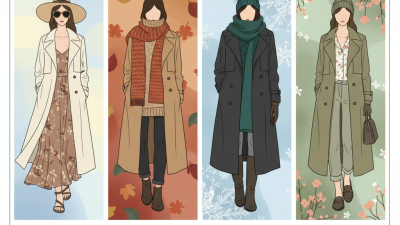
Length also changes the coat’s visual balance. A longer silhouette can suit tailored trousers, denim, or a simple knit dress. However, it may overwhelm a smaller frame if the shoulders are too broad. That is easy to overlook. Neutral shades, such as camel, navy, and black, usually offer dependable styling options. Still, color choice should match your existing wardrobe rather than a passing trend.
This guide explores why the Long Trench Coat remains relevant. It considers construction, comfort, versatility, maintenance, and value. It also questions a common assumption: longer always means better. Sometimes, a shorter coat fits real life more comfortably. A thoughtful purchase should survive repeated wear, changing weather, and honest self-reflection.

Definition and Key Features of a Long Trench Coat
Why Choose a Long Trench Coat?
Definition and Key Features of a Long Trench Coat
A long trench coat usually reaches below the knee, sometimes near the ankle. It offers more coverage than a standard waist-length coat. Its design often includes a double-breasted front, wide lapels, adjustable cuffs, and a removable belt. Many versions also feature shoulder straps and a storm flap. These details are not merely decorative. They help manage wind, light rain, and changing temperatures.
Fabric strongly affects performance. A tightly woven cotton blend can feel breathable and structured. Water-resistant treatments add protection, but they do not create complete waterproofing. That distinction matters. In daily use, a long coat should allow comfortable movement while protecting clothing underneath. A back vent can improve walking comfort, especially on stairs or while cycling slowly. Deep pockets are useful for gloves, keys, and a small notebook.
Fit still matters. The shoulders should sit naturally, and the sleeves should cover the wrists. There should be enough room for a sweater without creating bulky folds. Extra length can look elegant, yet it may drag on wet pavement or feel awkward in crowded spaces. I sometimes prefer a slightly shorter hem for practical movement. A long trench coat is versatile, but it is not perfect for every body shape or climate. Details matter.
Why Choose a Long Trench Coat?
Definition and key features of a long trench coat
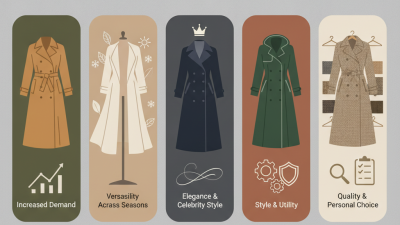
A long trench coat is an outerwear garment that extends well below the hips, commonly toward the knee or lower calf. Its traditional design combines weather protection and adjustability through water-resistant fabric, a double-breasted front, a storm flap, a waist belt, sleeve straps, and shoulder epaulettes. The chart groups these established design elements by their primary function; it is a feature count, not a brand or market survey.
How Long Trench Coats Differ from Shorter Outerwear
Why Choose a Long Trench Coat?
A long trench coat changes how outerwear behaves. Its hem may reach the calf, covering more of the trousers and protecting layers from wind and light rain. A shorter jacket ends near the hip, so it feels lighter and allows quicker movement. More coverage, different physics. On wet sidewalks, the longer cut can reduce splashes around the knees, but it may feel warm indoors.
The WRAP Valuing Our Clothes report estimates that extending a garment’s active life by nine months can reduce its carbon, water, and waste footprints by 20–30%. This does not prove that long trench coats last longer. However, a generous cut can accommodate knitwear across several seasons. Strong buttons, reinforced seams, and replaceable belts matter more than length alone. Small details decide longevity.
Material selection deserves equal attention. Textile Exchange’s Materials Market Report 2024 states that polyester represented about 59% of global fiber production in 2023. A long coat uses more fabric, lining, and hardware than a cropped style, so those choices have greater impact. I have found that long coats need careful storage; crowded wardrobes can crush the shoulders and wrinkle the hem. They also require patience when walking, sitting, or cycling. Shorter outerwear is often easier for daily commuting. That practical difference is easy to overlook.
Practical Benefits for Weather Protection and Daily Wear
Why Choose a Long Trench Coat?
Practical Benefits for Weather Protection and Daily Wear
Weather rarely arrives politely. A long trench coat creates a protective layer from the shoulders to the knees. That extra coverage helps shield trousers from wind-driven rain and wet benches. The World Meteorological Organization reported 2024 as the warmest year on record, with widespread weather extremes. Unpredictable conditions make adaptable outerwear more useful for commuting, travel, and everyday errands.
Length alone does not guarantee dryness. Look for a tightly woven shell, storm flaps, adjustable cuffs, and a secure collar. ISO 811:2018 evaluates fabric water resistance through hydrostatic pressure testing. This standard reminds us that “water-resistant” is a measured performance, not a vague promise. In the United States, the Environmental Protection Agency reports a 71% increase in heavy-precipitation amounts across the Northeast between 1958 and 2012. A longer coat can reduce splash exposure, but it still needs careful construction.
Daily comfort matters just as much. A roomy cut can fit a sweater without restricting movement. Interior pockets keep a phone and transit card away from light rain. Breathable lining helps during crowded train rides. I once chose a coat for its dramatic length and regretted the heavy fabric by noon. Practicality wins. A long coat should move easily, dry reasonably fast, and avoid becoming an unwanted burden. Lightweight footwear and a compact umbrella still matter. No garment solves every weather problem.
How to Choose the Right Fit, Length, and Style
Why Choose a Long Trench Coat?
A long trench coat offers practical coverage without losing structure. Its extended shape protects more of your clothing from wind and light rain. It also creates a clean vertical line, which can make an outfit look taller. For daily wear, choose a hem that falls between the knee and mid-calf. A coat touching the ankle may restrict movement and collect dirt. Walk, sit, and climb stairs before deciding.
Fit matters more than dramatic length. The shoulder seam should meet your shoulder edge without dropping too far. You should fasten the coat over a sweater without pulling across the chest. Check the sleeve: it should reach the wrist bone, or slightly beyond it. A back vent improves movement, especially when cycling or driving. I once chose a beautifully cut coat with narrow sleeves. It looked polished, but layering became uncomfortable.
Style depends on your routine and climate. A water-resistant cotton blend feels lighter for spring and autumn. A lined wool blend provides more warmth but may feel heavy indoors. Belted designs define the waist, while straight cuts offer easier layering. Neutral colors work with office clothes and casual denim. However, a pale shade may show road spray quickly. Examine the stitching, buttons, lining, and fabric recovery before buying. Small construction details often reveal more than a stylish photograph.