Why Choose Lady Dress for Your Global Fashion Business?
Choosing Lady Dress for a global fashion business is not only a question of appearance. It is a practical decision about fit, fabric, comfort, and trust. Fashion designer Diane von Furstenberg once said, “The dress must follow the body of a woman, not the body following the shape of the dress.” This principle remains valuable for international buyers. A successful Lady Dress collection should move naturally, photograph clearly, and feel comfortable during long working days or evening events.
Global customers expect more than attractive designs. They examine size consistency, stitching quality, fabric performance, delivery reliability, and return support. A breathable viscose dress may suit a warm coastal market, while a lined wool-blend style may perform better in colder cities. Small details matter. Strong zippers help. Accurate measurements help more. Clear product images reduce uncertainty.
The opportunity is substantial, but it is not effortless. Consumer preferences differ across regions, and one collection rarely satisfies everyone. A color that sells quickly in one country may remain untouched in another. That reality demands research, testing, and careful feedback from retailers. Even experienced brands make mistakes. Some underestimate local sizing. Others focus heavily on trends and forget repeat customers.
A dependable Lady Dress supplier can support steady expansion through flexible production, transparent communication, and documented quality checks. Responsible sourcing also strengthens long-term credibility. Businesses should verify materials, working conditions, labeling, and applicable market requirements before selling internationally. Progress may be slower than expected. Still, thoughtful choices can create a fashion business that grows with confidence, not guesswork.
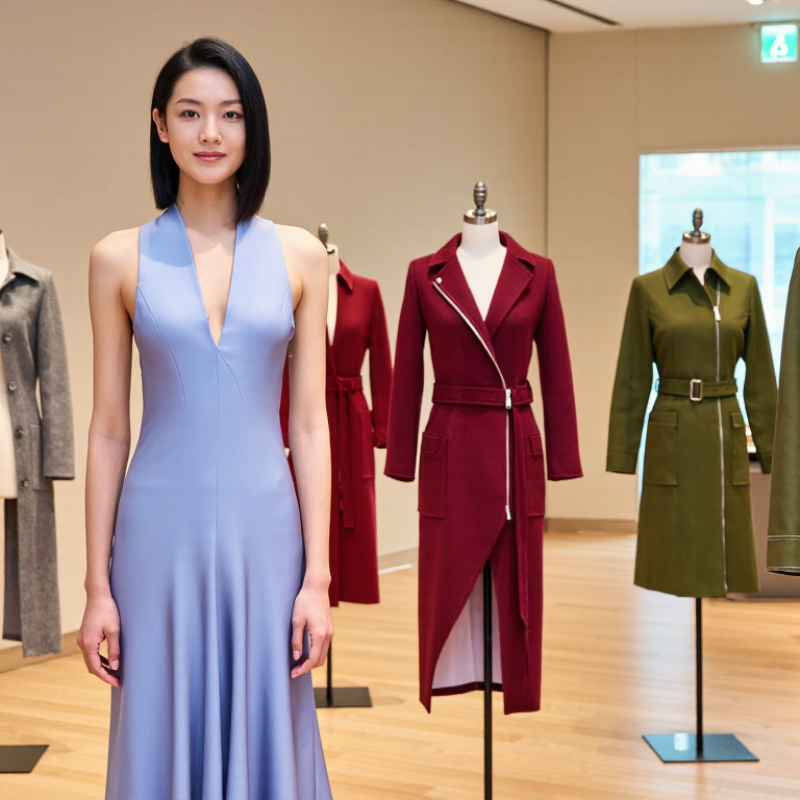
Lady Dress: Definition, Scope, and Role in Global Fashion
Lady dress refers to dresses designed for women, covering everyday, professional, formal, and seasonal wear. Its scope includes silhouettes, fabrics, sizing, construction, and cultural preferences. In global fashion, this category serves different climates and lifestyles. A linen midi dress may suit a warm coastal market, while a lined wool dress fits colder regions. These details influence design decisions, pricing, and inventory planning.
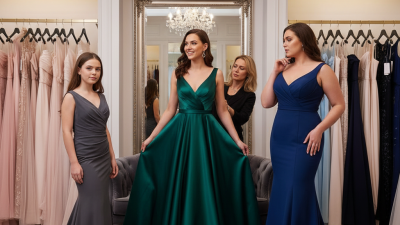
For a global fashion business, lady dress offers broad product flexibility. Design teams can adjust sleeve length, neckline depth, and skirt volume for regional expectations. Fit testing should include different body shapes, not only standard samples. Measurement charts need clear units and practical garment measurements. Small details matter. A zipper that catches or lining that twists can weaken customer trust. In my experience, attractive sketches often fail when movement, washing, and repeated wear are ignored.
The category also carries a professional role in responsible fashion operations. Regional research can guide suitable colors, lengths, and dress functions without relying on stereotypes. Supplier records, fiber information, inspection reports, and care labels support dependable product decisions. Quality checks should examine seams, colorfastness, shrinkage, and fabric recovery. Still, no spreadsheet predicts every customer response. A well-tested dress may perform poorly in an unfamiliar market. Feedback must therefore return to product teams quickly, even when it challenges the original design.
Core Product Features and Design Advantages of Lady Dress
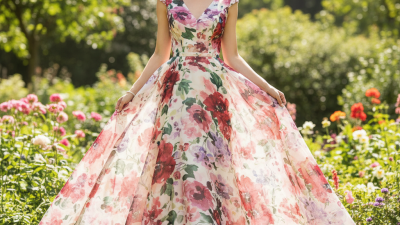
Lady dresses combine commercial appeal with practical design advantages for global fashion businesses. In product development, we often assess fabric weight, seam strength, and movement before approving a style. A breathable woven fabric can suit warm markets, while a lined version offers better structure for cooler regions. Soft waist shaping, adjustable straps, and careful hem placement improve comfort across different body types.
Core features
should support both visual appeal and reliable production. Clean necklines, balanced proportions, and hidden fastening details create a polished appearance. Color options also matter. Neutral tones may support repeat orders, while seasonal shades can attract short-term attention. However, size grading is not always perfect. Regional body differences still require testing, fitting samples, and honest feedback from wearers. That process helps reduce returns and improves buyer confidence.
Tips:
Check fabric recovery after washing. Test zippers and seams repeatedly. Review size charts with local partners. Avoid adding decorative details that increase production errors. A useful dress should look refined on a hanger and remain comfortable after several hours of wear. Suppliers should also provide clear material information, care instructions, and quality inspection records. These details strengthen trust and make product decisions more reliable.
Quality Standards, Sourcing, and Production Capabilities
Choosing lady dress for a global fashion business requires more than attractive sketches. It requires measurable quality, traceable sourcing, and reliable production control.
Textile Exchange reported that global fiber production reached 124 million tonnes in 2023. It may reach 160 million tonnes by 2030. This growth increases pressure on suppliers to document fiber origin, chemical control, and recycled content accurately.
Quality teams should inspect fabric weight, color fastness, seam strength, shrinkage, and final measurements before shipment. A perfect sample does not guarantee consistent bulk production.
Sourcing decisions should include supplier audits, material testing, capacity checks, and realistic lead times. Production partners with documented quality systems, such as ISO 9001-based procedures, can reduce avoidable variation. Independent inspections add another layer of reliability.
2–8%
The United Nations Environment Programme estimates fashion contributes 2–8% of global greenhouse gas emissions.
Therefore, lower-impact fabrics, efficient cutting, and reduced packaging deserve attention. However, sustainability claims can remain incomplete. Certificates should be verified, not simply displayed.
Tips:
Request a pre-production sample, a graded size set, and a clear inspection report. Confirm minimum order quantities and backup fabric options. Keep written approval records. Small details matter. Production capability also means handling corrections without losing schedule discipline. Some factories promise flexibility but struggle during peak seasons. That weakness should be tested with a small trial order. A practical partner communicates early, admits defects, and improves the process instead of hiding problems.
Market Adaptability Across International Customer Segments
Why Choose Lady Dress for Your Global Fashion Business?
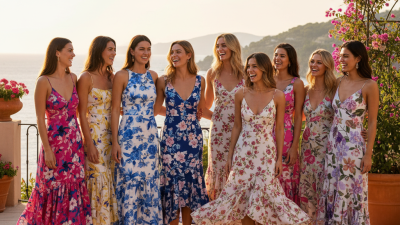
Lady dress collections can adapt across international customer segments because one silhouette rarely serves every market. Customers differ in climate, body proportions, modesty preferences, and spending power. A lightweight linen dress suits humid coastal cities, while lined midi styles perform better in cooler regions. Practical assortment planning starts with these local details.
Statista Market Insights estimates that global apparel revenue will exceed US$1.8 trillion in 2025, with online sales forming a significant share. The opportunity is large, but competition is uneven. McKinsey and The Business of Fashion’s State of Fashion 2025 report describes fashion growth as low and geographically varied. This supports a flexible dress strategy: offer adjustable waists, extended sizes, breathable fabrics, and occasion-based designs. Regional data should guide color depth, sleeve length, and price architecture.
Small tests matter.
In cross-border buying projects, a limited launch can reveal unexpected preferences before deeper inventory commitments. A floral print may attract customers in one country but appear unsuitable elsewhere. Fit remains difficult. No size chart solves every body shape, and translation alone cannot create trust. The International Trade Centre emphasizes the importance of market-specific trade information for export decisions. Businesses should combine that research with return rates, customer reviews, and local fit feedback. Some assumptions will fail. That is useful evidence, not a disaster. A lady dress portfolio becomes stronger when it changes carefully, rather than pretending every customer wants the same design.
Business Benefits of Partnering with Lady Dress Globally
Partnering with an experienced ladies’ dress supplier can strengthen a global fashion business. Reliable production supports steadier launches across different markets. In practice, buyers need more than attractive samples. They need clear size charts, repeatable measurements, and realistic delivery dates. Small details matter. A consistent fabric record helps teams reorder with fewer surprises. Professional partners also explain construction choices, fabric behavior, and care requirements before production begins. This practical knowledge reduces costly revisions and protects customer trust.
Global cooperation can improve purchasing efficiency. Consolidated production may reduce unnecessary sampling, packaging waste, and repeated freight arrangements. Suppliers with organized quality systems can check stitching, color matching, pressing, and final measurements. Inspection reports create useful evidence for internal teams and retail partners. Communication matters just as much. Shared tech packs, approved samples, and scheduled video checks keep decisions visible across time zones. When problems appear, a direct corrective plan is more valuable than a polished promise.
Market needs still vary. A modest evening dress may sell well in one region, but require different sleeves or lining elsewhere. Adaptable production supports local preferences without abandoning consistent quality. However, partnership does not remove every risk. Forecasts can be wrong, fabrics can arrive late, and one overlooked measurement can affect an entire order. Experienced teams leave buffer time and document every approval. That lesson is easy to ignore during busy seasons. Transparent pricing, responsible sourcing records, and lawful export documentation help businesses assess suppliers with confidence. Trust grows through repeated evidence, not slogans.
Why Choose Lady Dress for Your Global Fashion Business?
Global apparel exports demonstrate the scale and diversity of international sourcing opportunities.
Partnering with an experienced global fashion supplier can help businesses access established manufacturing ecosystems, diversify sourcing, and respond more efficiently to regional market demand. Apparel export values are based on 2022 merchandise trade statistics reported by the World Trade Organization.