Welcome to the TopShow!Garment manufacturing !

OEM, ODM Service,Custom color Custom logo,Custom Your Own Brand Online!

Leave Your Message
Request a Quote

Why Is the Casual Floral Mini Dress So Popular?

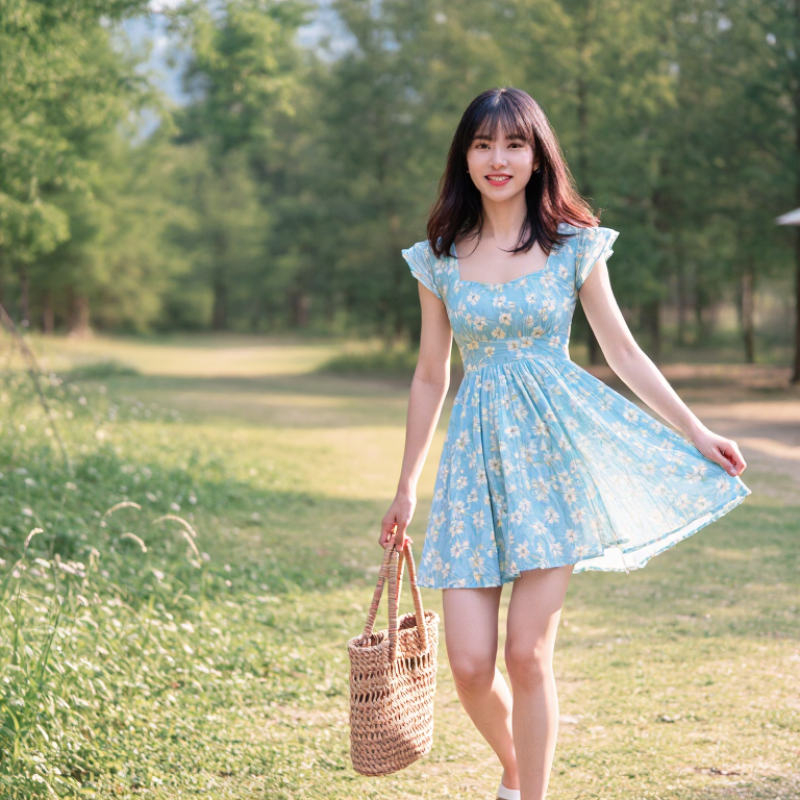
The Casual Floral Mini Dress has become a familiar choice because it feels easy to wear and easy to style. A small floral print can brighten a simple outfit, while the shorter hem keeps the look relaxed. On a warm day, it pairs naturally with flat sandals, a woven tote, or clean white sneakers. For cooler weather, a light cardigan or denim jacket adds a useful layer. The appeal is practical, too. One dress can work for a coffee run, a weekend market, or an informal lunch without much planning.

But popularity does not make every dress comfortable or flattering. Fabric weight, lining, sleeve shape, and hem length all affect how it feels in real life. A thin material may cling or wrinkle; a print that looks delicate online can appear much bolder in daylight. Fit matters. So does movement. When choosing a Casual Floral Mini Dress, consider where you will wear it and whether you can sit, walk, and move comfortably. This guide explores the style’s appeal, everyday versatility, and simple ways to wear it. It also looks at details worth checking before you buy, including fabric, fit, and care. Trends change, and not every floral dress deserves a place in your wardrobe. A little hesitation can be useful.
Why Is the Casual Floral Mini Dress So Popular?

What Defines a Casual Floral Mini Dress?

A casual floral mini dress combines a short hem, a flower-based print, and details suited to everyday wear. “Mini” usually means the hem sits above the knee, though the exact length varies with the wearer and cut. Casual styling often comes from breathable-feeling fabric, an easy fit, and simple features such as short sleeves, a modest neckline, or pockets. The flowers might be tiny and scattered or bold across the whole fabric. The print alone does not make a dress casual; a stiff fabric or formal trim can change its feel. That distinction matters.

Fabric affects how the dress moves and how it needs to be cared for. Textile Exchange’s Materials Market Report 2023 estimates that global fiber production reached 116 million tonnes in 2022, with polyester accounting for 54 percent. This industry figure describes the wider material market, not floral dresses specifically. Still, it helps explain why a floral mini may be made from very different fibers, each with its own drape and care needs. Check the fabric label, seams, and lining before judging comfort. A light dress can feel lovely in a breeze, yet cling in humid weather. “Casual” is not an exact standard, and sometimes the label feels fuzzy.
How Floral Prints and Mini Lengths Shape Its Design

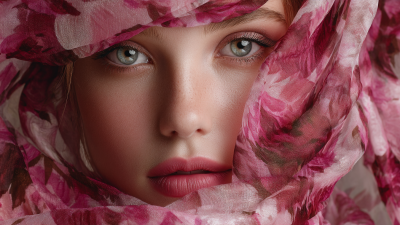
Floral prints give a mini dress its strongest visual cue. Tiny, scattered blooms can feel delicate, while large, high-contrast petals make the same short silhouette look bolder. A dark ground often sharpens the colors; a pale one makes them feel softer. These choices matter because the print occupies much of the dress, with little fabric to dilute its effect. Small details count. A gathered waist, puffed sleeve, or square neckline can keep a lively pattern from feeling too busy.

The mini length changes how the print is read. A hem above the knee leaves more leg visible, balancing dense flowers and adding movement as the wearer walks. For everyday comfort, designers often use light woven fabrics and avoid overly rigid construction. That choice has a practical side: a short hem can shift when sitting or climbing stairs. The look is easy, but not always effortless.

Grand View Research valued the global women’s apparel market at about $1.36 trillion in 2023 and projected 4.7% annual growth through 2030 in its Women’s Apparel Market report. This broad market figure does not measure floral minis specifically; it does show the scale of a category where adaptable designs matter.

When print scale, hem, and fit work together, the dress feels considered rather than simply decorative.

How the Dress Evolved in Everyday Fashion

The casual floral mini dress has shifted from a statement piece to an everyday option. The mini hem became widely visible in 1960s fashion, while later casualwear softened its look with washable fabrics and looser styling. Today, small flowers, short sleeves, and a roomy cotton lining can make the dress feel suitable for errands, not just special outings. A practical change.

Material choices matter, too. Textile Exchange’s Materials Market Report 2024 estimates that global fibre production reached 124 million tonnes in 2023, with output projected to rise to 160 million tonnes by 2030. That figure does not measure mini-dress sales, but it shows the scale of the textile system behind everyday clothing. The European Environment Agency reported that EU textile consumption reached about 19 kilograms per person in 2022. Against that backdrop, a dress worn often and cared for well may be more useful than one bought for a single trend. Still, “versatile” can become an excuse for buying more. I have found the hemline is not always easy to style on windy days, either.

Why Is the Casual Floral Mini Dress So Popular? — How the Dress Evolved in Everyday Fashion

Period Fashion Development Everyday Design Features Why It Matters
Before the 1960s Women’s daywear commonly featured longer skirts, while floral prints appeared in dresses across a range of lengths. Floral patterns were associated with a range of looks, from informal day dresses to more dressed-up outfits. The floral print was already familiar in everyday clothing; the shorter mini silhouette was the major change still to come.
1960s The mini skirt became a defining fashion development of the decade, reflecting a broader shift toward youthful, modern silhouettes. Shorter hemlines appeared in dresses as well as separate skirts. Simple shapes made the new length easier to wear casually. The mini dress combined a noticeable silhouette change with a practical, one-piece outfit.
1970s Fashion included both short hemlines and softer, more expressive styling, with floral prints used in everyday clothing. Loose shapes, flowing fabrics, and small or scattered floral motifs offered alternatives to sharper, more structured looks. Comfort and personal expression became part of the appeal, helping floral dresses work beyond formal occasions.
1980s–1990s Short dresses continued to appear in casual wardrobes, while changing trends brought a variety of fits, sleeves, and print scales. Wearers could choose between relaxed and more fitted shapes, with floral designs ranging from subtle to bold. The style proved adaptable: its basic combination of a short hem and floral pattern could change with the decade’s preferred details.
2000s–2010s Casual dressing became increasingly familiar across daily settings, and the mini dress was often styled as an easy standalone outfit. Lightweight materials, varied sleeve lengths, and simple layering made the dress suitable for different weather and occasions. Versatility increased its everyday usefulness: the same dress could be styled with flats, boots, or a light layer.
Today The casual floral mini remains a recurring wardrobe option rather than a single fixed trend. Current versions may feature different necklines, sleeve shapes, fabrics, and floral scales, from delicate prints to high-contrast patterns. Its lasting appeal comes from combining a recognizable print with an easy-to-style silhouette and many options for individual taste.
Across periods The style has evolved through changes in hemline, fit, fabric, and how people dress for ordinary activities. A floral mini can be worn on its own in warm weather or layered with tights, a cardigan, or a jacket when it is cooler. Its practicality, visual variety, and adaptability help explain why it continues to return to everyday fashion.

Note: The timeline describes broad fashion developments. Styles and adoption varied by place, community, and individual preference.

Where and How People Wear It

A casual floral mini dress moves easily between ordinary plans: a café lunch, weekend errands, or a warm-weather trip. For a city walk, flat sandals and a light jacket make it practical; on vacation, it works over swimwear or with comfortable sneakers. The setting matters. A breezy skirt can catch on a bicycle seat, and thin fabric may feel uncomfortable in strong sun. Not everywhere.

How people style it often depends on the day’s demands. A cardigan and simple shoes suit a cool morning; swapping to a linen shirt or adding a crossbody bag can make the same dress feel more relaxed outdoors. For an informal garden gathering, low heels are steadier on grass than narrow heels. Small details help, but the dress is not magically versatile: a short hem may be awkward in wind, and some prints feel too casual for work. ThredUp and GlobalData’s 2024 Resale Report estimated that the U.S. secondhand apparel market grew 14% in 2023, nearly five times faster than the broader retail clothing market. That finding is not specific to dresses, but it supports considering repeat wear and resale when choosing clothing. A floral mini earns its place when it fits real plans, not just a holiday photo.

Why Is the Casual Floral Mini Dress So Popular? — Where and How People Wear It

Warm weather makes lightweight mini dresses a practical choice for outdoor plans. This chart shows normal monthly daily high temperatures in Central Park, New York City—a climate context for when the style may be comfortable outdoors, not a measure of dress popularity.

Source: NOAA U.S. Climate Normals, 1991–2020; Central Park, New York City. Temperatures are in °C.

Why It Remains Popular Today

The casual floral mini dress remains popular because it is easy to wear without feeling plain. A scattered print adds color, while a simple cut works with familiar pieces already in a wardrobe. On a mild day, it pairs naturally with flat shoes and a light jacket. It feels easy.

Its flexibility helps it stay relevant across changing seasons. In warm weather, breathable cotton or linen blends can feel comfortable; when temperatures drop, a cardigan and tights offer extra coverage. Small details matter, too. A defined waist can add shape, while a loose fit gives more room to move. These features vary from dress to dress, so checking the fabric and measurements is more useful than relying on the print alone.

The style does have limits. A very short hem may feel awkward when sitting, and some floral patterns can look busier in person than they do on a screen. That matters. Choosing a print that suits the setting, along with a length that feels comfortable, makes the dress more wearable. Its appeal is less about following a trend and more about having an uncomplicated outfit that still feels cheerful.