2026 Best Lady Dress Trends for Global Buyers
The 2026 Lady Dress market is entering a more selective, practical, and visually expressive phase. Global buyers are no longer choosing dresses through trend appeal alone. They are examining fabric performance, fit consistency, sourcing transparency, and commercial flexibility.
The Business of Fashion and McKinsey’s State of Fashion 2025 reports describe fashion growth as modest, with many executives expecting continued pressure on consumer confidence. This outlook matters for Lady Dress suppliers. Buyers may prefer adaptable collections, smaller test orders, and proven silhouettes before making larger commitments. Euromonitor International also identifies value, quality, and responsible consumption as important forces shaping global apparel demand. However, forecasts are not flawless. Regional preferences can change quickly, especially when climate, currency, and retail channels differ.
Achim Berg, a global fashion industry expert and former McKinsey senior partner, has described the sector as being “at a critical inflection point.” His observation fits the 2026 dress landscape. A lightweight linen-blend midi dress may perform well in Mediterranean markets, while a lined, wrinkle-resistant style may suit business buyers in colder regions. Soft tailoring, refined shirting, fluid maxi lengths, and occasion-ready day dresses are likely to attract attention. Still, trend confidence should not replace evidence. Buyers need wear tests, size feedback, fabric testing, and sell-through data.
This guide explores the key 2026 Lady Dress trends for global buyers. It connects runway direction with practical purchasing decisions. The aim is useful clarity, not exaggerated certainty.
2026 Market Outlook: McKinsey–BoF’s 2–6% Fashion Growth Benchmark
For global buyers, 2026 fashion planning should begin with restraint. McKinsey and The Business of Fashion place expected fashion growth within a 2–6% range. This benchmark suggests expansion, not unlimited demand. Buyers should balance elegant dresses with practical commercial evidence. A soft ivory midi dress may perform better than an extreme runway silhouette. Cotton blends, breathable linings, and adjustable waists can support wider customer needs.
The State of Fashion outlook also points to cautious consumers and uneven regional recovery. That matters for women’s dress assortments. Order depth should reflect local climate, income, and occasion calendars. In warmer markets, sleeveless maxi dresses and light fabrics remain visually relevant. In cooler regions, long sleeves and layered construction may reduce return risk. Small color tests could be wiser than large seasonal commitments.
Data still needs interpretation. The McKinsey–BoF 2–6% estimate is a planning range, not a guarantee. Circana’s apparel tracking repeatedly shows that value, comfort, and fit influence purchasing decisions. We may be overestimating novelty. A dress with pockets, stable seams, and clear measurements can outperform a more dramatic design. My buying experience suggests testing fewer styles, then replenishing proven fits. That approach is less exciting, but often more reliable. Forecasts can miss sudden weather shifts, freight delays, or changing customer moods. Retail teams should document those misses instead of hiding them.
Silhouette Forecast: WGSN Signals for Midi, Maxi, and Tailored Dresses
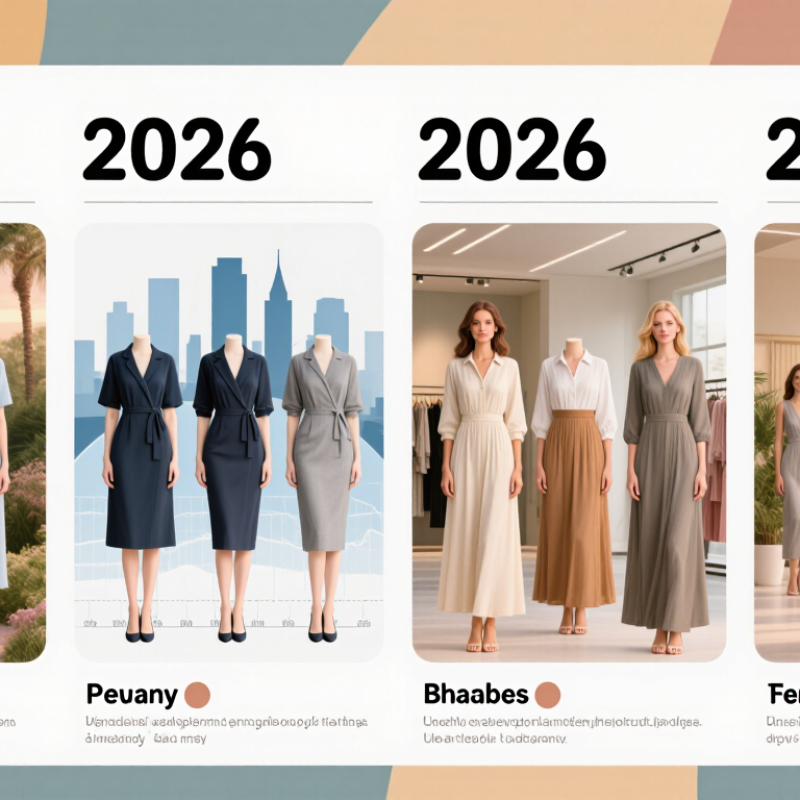
For 2026, global buyers should read silhouette direction carefully, not chase every runway image. WGSN signals suggest a balanced dress market, led by midi, maxi, and tailored shapes. Midi dresses remain commercially flexible. A calf-skimming hem works for offices, travel, and modest occasion dressing. Buyers can test shirt collars, soft waist ties, and lightweight woven fabrics.
Maxi dresses are moving toward practical drama. Look for fluid volume, controlled gathers, and side openings that support movement. Cotton blends, breathable viscose, and textured jersey can improve comfort across warmer regions. Tailored dresses add sharper structure. Fitted shoulders, clean lapels, and shaped seams create authority without excessive stiffness. However, forecasts can miss local preferences. A dramatic maxi may perform well online but feel impractical in smaller retail markets.
Tips: Build a balanced assortment. Try 50% midi, 30% maxi, and 20% tailored styles. Adjust this ratio after reviewing regional sales data. Check hem lengths on different body heights, not only standard samples. Test pockets, lining, and fabric recovery before placing larger orders. Small construction issues often become expensive returns. Use neutral tones for core volume, then add two focused seasonal colors. Keep fittings realistic. A beautiful silhouette is not enough if customers cannot sit, walk, or layer comfortably.
Fabric Choices: Textile Exchange’s 57% Polyester Share and Fiber Data
For 2026 lady dress collections, fabric selection should begin with measurable fiber data, not seasonal color forecasts. Textile Exchange’s Materials Market Report 2024 recorded global fiber production at about 124 million tonnes in 2023. Polyester held a 57% share, making it the dominant choice for wrinkle-resistant dresses, soft crepe, satin, and lightweight jersey.
This figure matters for global buyers. Polyester can reduce drying time and support consistent sizing during mass production. However, it also increases dependence on fossil-based raw materials and creates microfiber concerns during washing. Recycled polyester represented only a limited portion of total polyester output, so buyers should request transaction certificates, recycled content evidence, and clear chain-of-custody records. Numbers need checking.
Cotton remains useful for breathable summer dresses, while lyocell and linen can improve moisture control and tactile comfort. The European Environment Agency has repeatedly identified textile production and consumption as significant resource and environmental pressures, making fiber efficiency increasingly relevant to purchasing teams. A practical dress sample should be tested after washing, pressing, and prolonged movement. Check shrinkage, color transfer, seam recovery, and fabric pilling.
A 2026 buying specification could combine recycled polyester for structured drape, certified cellulosic fibers for softness, and linen or cotton for warm climates. Yet blends are not automatically better. They may complicate recycling. I have seen attractive fabric swatches fail after one wash. Supplier data should therefore sit beside physical testing, not replace it. Also review country-specific labeling rules before final production.
2026 Best Lady Dress Trends for Global Buyers
Fiber selection remains central to women’s dress development. Textile Exchange reports that polyester represented approximately 57% of global fiber production, followed by cotton and other major fiber categories. These figures can help buyers balance cost, performance, comfort, and sustainability considerations when planning 2026 collections.
Data source: Textile Exchange, Materials Market Report 2024. Shares represent global fiber production by fiber category and are rounded percentages.
Buyer Segments: Euromonitor Data Across Value, Premium, and Luxury Markets
For 2026 dress buying, price tiers reveal different reasons for purchase. Euromonitor International’s Passport apparel data tracks retail value, volume, channels, and consumer price segments. Its outlook points to steady, cautious apparel growth rather than unlimited expansion.
Value buyers
want practical dresses, easy care, and accessible prices.
Premium shoppers
seek better fabric, sharper construction, and versatile occasion use.
Luxury buyers
expect exceptional finishing, limited availability, and a memorable store or digital experience.
Bain & Company and Altagamma estimated the personal luxury goods market at about €363 billion in 2024, after a softer performance than 2023. This matters for dress suppliers. Luxury demand still exists, but buyers inspect quality more carefully.
A silk blend, hand-finished seam, or distinctive drape must feel meaningful.
Premium collections can use refined tailoring and certified materials without copying luxury signals. Value ranges need clear color stories, washable fabrics, and size consistency. Small details often decide repeat orders. Yet this tier map is imperfect. A young buyer may purchase one luxury dress and several value pieces.
Tips:
Compare Euromonitor retail-value data with local volume trends before setting quantities. Test three price levels with small samples. Record returns, fabric comments, and sell-through by size. Do not trust trend images alone. Real fitting-room feedback is less glamorous, but more useful. Euromonitor’s channel data can also guide online and offline allocation, especially where discounting changes perceived quality.