Welcome to the TopShow!Garment manufacturing !
OEM, ODM Service,Custom color Custom logo,Custom Your Own Brand Online!

Leave Your Message
Welcome to the TopShow!Garment manufacturing !
OEM, ODM Service,Custom color Custom logo,Custom Your Own Brand Online!
Choosing reliable denim suppliers requires more than scanning factory photos or comparing quoted prices. This guide examines China’s top 10 denim washing jumpsuit suppliers through practical sourcing criteria. These include fabric consistency, washing expertise, sample accuracy, production capacity, quality control, communication, and export experience. The goal is not to praise the largest factory automatically. Smaller manufacturers may offer closer attention, while established suppliers may provide stronger systems and faster scaling.
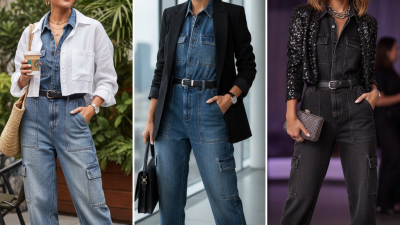
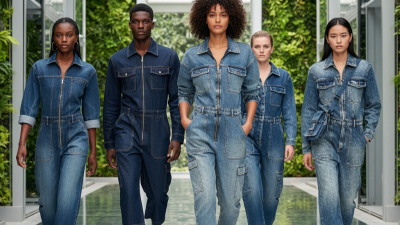
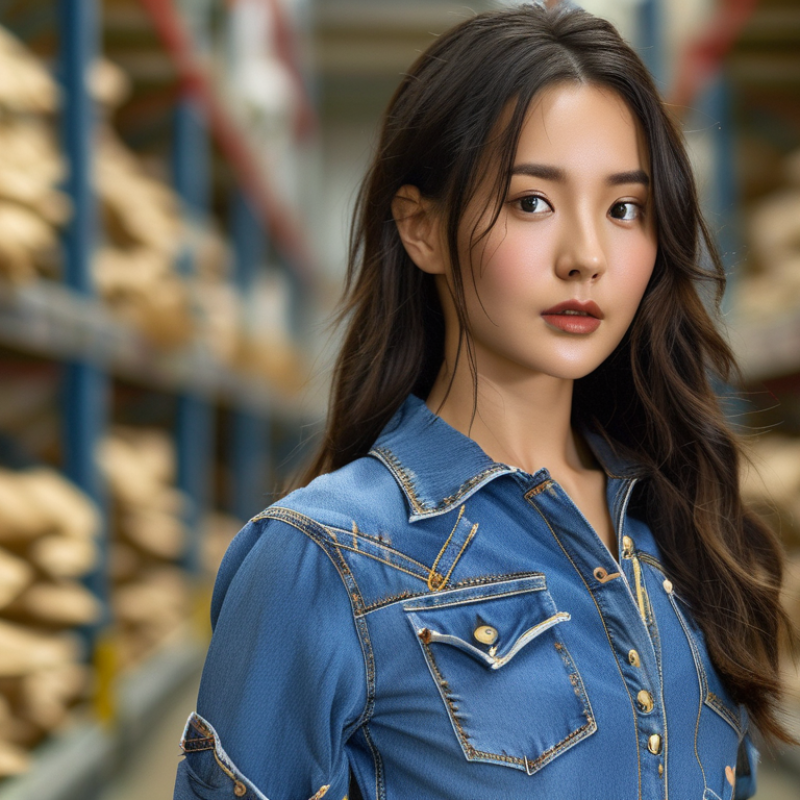
A well-made Demin Washing Jumpsuit should feel balanced, not stiff or unusually thin. Its seams should remain clean after washing, while the color should show controlled fading around the thighs, pockets, and edges. Supplier evaluations should also consider MOQ flexibility, lead times, customization options, audit records, and relevant certifications. A detailed sample review can reveal problems that online catalogs hide. Uneven whiskers, weak snap buttons, or inconsistent sizing often appear only after physical inspection.
No ranking is perfect.
Market information changes quickly. Factory capabilities, prices, and production schedules can shift with little warning. Therefore, this introduction treats the list as a practical starting point, not a final purchasing decision. Buyers should request current samples, confirm technical specifications, and verify quality procedures before placing an order. The following supplier overview aims to connect product expectations with real manufacturing evidence, helping brands reduce avoidable risks and select a dependable denim washing jumpsuit partner in China.
This review covers China-based suppliers that produce denim-washing jumpsuits for wholesale and private-label orders. The scope includes factories with in-house sewing, washing coordination, quality inspection, and export support. Trading companies may be considered only when they provide verified factory access and clear production records.
The ranking uses a practical scoring model. Product quality receives the highest weight, including fabric recovery, seam strength, color consistency, and wash durability. Washing expertise matters because enzyme, stone, acid-look, and softening treatments can change fit and shade. We also assess sampling accuracy, minimum order quantities, lead-time control, and customization ability. Compliance documents, factory audit results, and traceable inspection records strengthen supplier credibility. Communication speed matters too. Delayed answers often become delayed shipments.
My evaluation process would include reviewing physical samples, measuring shrinkage after washing, and checking zipper performance during repeated use. I would compare approved samples with bulk production, not rely on catalog images. A transparent supplier should explain fabric composition, washing chemicals, tolerance ranges, and corrective procedures. Still, no ranking is perfect. Scores can favor factories with better documentation, while smaller workshops may offer stronger craftsmanship. Seasonal capacity changes can also affect results. For this reason, the final top ten should reflect verified evidence collected during the latest sampling and factory-review period, rather than old market reputation.
Comparative benchmark of anonymized China-based supplier profiles serving denim jumpsuit and garment-washing programs. Rankings are based on manufacturing capability, washing expertise, quality systems, export readiness, order flexibility, and product-development support rather than company or brand visibility.
| Rank | Supplier ID | Primary Production Area | Denim-Washing Capability | Jumpsuit Development Scope | Typical MOQ Range | Sampling Lead Time | Bulk Lead Time | Quality & Compliance Evidence | Export Readiness | Weighted Score |
|---|---|---|---|---|---|---|---|---|---|---|
| 1 | Supplier Profile A | Guangdong | Enzyme wash Stone wash Bleach effects Vintage abrasion | Full-length, utility, relaxed, workwear, and fashion jumpsuits; custom trims and pattern grading. | 300–500 pieces per color | 7–12 working days | 35–50 working days | Pre-production approval, inline inspection, final inspection, and restricted-substance documentation on request. | Experienced with consolidated sea and air shipments; standard export documentation available. | 91/100 |
| 2 | Supplier Profile B | Jiangsu | Garment dye Enzyme wash Softener finish Hand sanding | Women’s, men’s, and unisex silhouettes with adjustable waists, cargo pockets, and reinforced seams. | 400–600 pieces per color | 8–14 working days | 40–55 working days | Fabric inspection, measurement control, needle detection, and batch-level shade checking. | Suitable for private-label export programs with buyer-provided technical packs. | 89/100 |
| 3 | Supplier Profile C | Zhejiang | Acid wash Ozone-assisted effects Whiskering Tinting | Trend-led denim jumpsuits, oversized fits, cropped legs, bib-front styles, and detachable belt options. | 500–800 pieces per color | 10–15 working days | 40–60 working days | Colorfastness and dimensional-stability testing available through internal or third-party laboratories. | Strong support for seasonal collections and repeat orders. | 87/100 |
| 4 | Supplier Profile D | Fujian | Rinse wash Enzyme wash Resin finish Localized abrasion | Basic and commercial uniforms, coveralls, short jumpsuits, and durable workwear constructions. | 500–1,000 pieces per color | 8–13 working days | 38–55 working days | Standard AQL-based inspection, seam-strength checks, and carton packing controls. | Competitive for medium-volume orders and repeat production. | 85/100 |
| 5 | Supplier Profile E | Guangxi | Stone wash Bio-polish Bleach wash Soft hand finish | Casual and resort-oriented denim jumpsuits with lightweight denim, Tencel blends, and comfort details. | 300–700 pieces per color | 10–16 working days | 42–60 working days | Fabric composition verification, shade-band approval, and wash-recipe records available by order. | Flexible for small and medium overseas fashion programs. | 83/100 |
| 6 | Supplier Profile F | Shandong | Rinse wash Whisker effects Grinding Silicone softening | Structured workwear, mechanic styles, bib-front construction, and reinforced utility jumpsuits. | 600–1,200 pieces per color | 9–14 working days | 45–65 working days | Production-line inspection, critical-measurement reports, and packing-list reconciliation. | Best suited to standardized designs and larger repeat programs. | 81/100 |
| 7 | Supplier Profile G | Hubei | Enzyme wash Vintage wash Tint wash Laser-look effects | Contemporary women’s and unisex designs with pleats, wide legs, waist ties, and contrast stitching. | 400–800 pieces per color | 10–15 working days | 45–60 working days | Pre-shipment inspection, wash-shade approval, and basic performance testing on request. | Capable of handling buyer tech packs and third-party inspection appointments. | 79/100 |
| 8 | Supplier Profile H | Hebei | Rinse wash Stone wash Garment softening | Cost-focused basic jumpsuits, promotional workwear, and private-label capsule collections. | 800–1,500 pieces per color | 10–16 working days | 45–70 working days | Basic inspection procedures, measurement reports, and production sample retention. | Effective for price-sensitive programs with stable specifications. | 76/100 |
| 9 | Supplier Profile I | Hunan | Bio-wash Enzyme wash Localized hand sanding | Small-batch fashion styles, relaxed silhouettes, and limited-edition washed denim programs. | 200–500 pieces per color | 12–18 working days | 50–70 working days | Sample-based approval, wash-lot comparison, and outsourced laboratory testing when required. | Flexible for development-heavy projects; capacity should be confirmed before booking. | 74/100 |
| 10 | Supplier Profile J | Jiangxi | Rinse wash Enzyme wash Basic abrasion | Entry-level denim jumpsuits, simple bib styles, short-body designs, and workwear essentials. | 1,000–2,000 pieces per color | 12–18 working days | 50–75 working days | Standard production inspection, carton-count verification, and buyer-specified quality checkpoints. | Appropriate for larger orders with finalized patterns and wash standards. | 72/100 |