How to Choose a Long Trench Coat for Wholesale
Choosing a Long Trench Coat for wholesale is more than comparing prices and colors. Buyers need to assess fabric weight, stitching, fit, and the details customers notice in person. A coat may look polished in a product photo, yet feel stiff or poorly balanced when worn. That gap matters.
Start with the intended customer and season. A lightweight cotton blend may suit mild weather, while a lined design offers more coverage in colder conditions. Check the fabric composition, lining, buttons, belt loops, and seam finishes. Ask for a sample when possible. Hold it, inspect the stitching, and try the size range on different body types. Small details can reveal bigger issues.
Wholesale decisions also depend on practical factors. Review minimum order quantities, available colors, size grading, lead times, and reorder options before committing. Request clear product specifications, and compare them with the sample rather than relying on broad descriptions. Keep a little room for doubt. One sample cannot represent every coat in a production run, and size charts may not tell the whole story.
A useful buying process balances appearance with evidence. This guide explains how to evaluate construction, fit, materials, suppliers, and order terms, so buyers can make informed choices and reduce avoidable surprises.

Define Wholesale Needs and Target Customers
Before selecting a long trench coat for wholesale, define who will wear it and where it will be sold. A city boutique may need polished coats for commuters, while a workwear retailer may prioritize roomy layers and durable buttons. Ask buyers about local weather, preferred colors, and the price range customers actually accept. These answers shape fabric weight, lining, length, and order quantities.
Keep it concrete. Request measurements for common sizes, not just a general size label. A coat that looks elegant on a hanger may feel restrictive over a thick sweater. Review details such as sleeve length, belt loops, pocket depth, and closure strength with your supplier. For online sellers, clear garment measurements can reduce confusion before purchase. For physical stores, consider whether customers can try on the coat comfortably.
Estimate demand by customer type and season, then compare it with your storage space and cash flow. A broad size range sounds appealing, but too many slow-moving sizes can tie up inventory. Start with a balanced assortment or a small trial order when possible. This is not always the cheapest route, and forecasts can still miss. Track which sizes and colors sell, then adjust the next order using actual sales rather than guesses.
Choose Trench Coat Materials and Construction
For wholesale long trench coats, assess fabric by hand, structure, and test results—not appearance alone. Cotton gabardine gives a crisp diagonal weave and a familiar matte finish; blended cloth may improve crease recovery and drying time. Textile Exchange’s Materials Market Report 2024 estimates that polyester made up 57% of global fiber production in 2023. That figure shows its scale, not its suitability for every coat. Ask mills for fiber composition, fabric weight, and finishing details, then compare swatches under daylight and warm indoor lighting.
Construction determines whether that fabric holds its shape through repeated wear. Check collar points, shoulder seams, belt loops, and pocket corners: these areas take strain. Look for even stitch density, securely bartacked stress points, smooth sleeve lining, and a vent that hangs flat. Test the swatch. Wash or dry-clean it according to the intended care label, then inspect shrinkage, color change, and surface distortion. A heavier cloth can feel reassuring, but weight alone misleads; a loose weave may still bag at the elbows.
Before placing a bulk order, request samples from the production fabric and confirm that lab testing covers dimensional stability, colorfastness, and seam strength. Agree on acceptable tolerances in writing, including shade variation between rolls. Small differences happen. I would still inspect a size run in person; a neat sample does not guarantee consistent grading or sewing across hundreds of coats.
Compare Length, Fit, Sizes, and Style Options
For wholesale, compare trench lengths against the wearer and the intended use. A knee-length coat suits daily commuting, while a mid-calf cut gives more coverage over skirts and trousers. Measure from the back neck to the hem, then check sleeve length with arms slightly bent. Small differences matter. A long coat that looks elegant on a hanger may drag on shorter customers or restrict movement when worn over a thick sweater.
Fit needs equal attention. Review shoulder width, chest ease, and sleeve opening across every size, not only the sample. The National Retail Federation’s 2023 consumer returns report estimated that 17.6% of online sales were returned. That figure covers retail broadly, not trench coats alone, but it underlines why clear measurements and consistent grading matter. There is no perfect chart; body proportions vary, and a size label cannot explain everything. Ask suppliers for garment measurements and a size set before placing a bulk order.
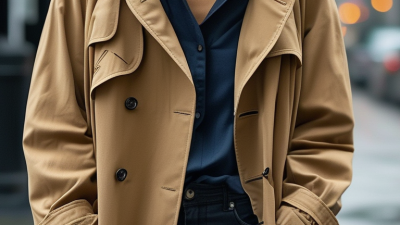
Style options can change how a coat fits in a wardrobe. A belted waist offers adjustment, while a straight cut layers more easily over workwear. Compare double-breasted fronts, storm flaps, vent depth, and pocket placement. Keep the details practical: a deep back vent helps walking, and pockets should remain usable when the belt is tied. Request photos on different body types, then check the actual samples. A polished image can hide a stiff lining or tight armhole.
Evaluate Suppliers, Pricing, and Minimum Order Quantities
How to Choose a Long Trench Coat for Wholesale
Evaluate Suppliers, Pricing, and Minimum Order Quantities
When comparing suppliers, request a sample made to your intended specifications. Check the coat’s fabric weight, lining, seam finish, buttons, and belt loops. A long coat can look sturdy on a hanger but feel restrictive when worn. Ask for measurements across several sizes, not just the sample size. Small details matter.
Request a written quote that separates garment cost, sample fees, packaging, and shipping. Compare the same fabric content and construction across quotes; otherwise, a lower price may reflect lighter material or simpler finishing. Ask how defects are checked and whether production updates include dated photos. Clear answers are useful, though they do not guarantee every batch will match perfectly.
Minimum order quantities may apply per color, size, or fabric, so confirm the rules before placing an order. A smaller trial run can limit unsold stock, but the unit price may rise. Ask for price breaks at realistic order levels, then calculate the total cost per coat. A spreadsheet can still miss a detail. For example, mixed size ratios may affect packing or production planning. Get those terms in writing, and leave room in your budget for adjustments after reviewing the sample.
How to Choose a Long Trench Coat for Wholesale
Illustrative planning ranges for comparing order volume and estimated unit cost. These are not market averages or supplier quotes; request current prices, confirm minimum order quantities, and compare fabric, construction, and sample quality before ordering.
Higher order volumes may qualify for lower unit prices, but also require a larger upfront commitment. Check whether the supplier’s MOQ applies per style, color, or total order.
Check Samples, Quality Standards, and Delivery Terms
Request a pre-production sample in the intended fabric, color, and size range. A long trench coat can look balanced on a hanger yet feel restrictive when walking. Check sleeve length, shoulder movement, lining, button security, and how the hem falls over shoes. Ask for a measurement chart and compare it with the sample using the same method. Small details matter. Photograph any issues and agree on corrections before approving bulk production.
Set written quality standards before placing an order. Specify fabric composition, color tolerance, stitching density, seam strength, and acceptable measurement variation. Ask how inspections are performed and whether checks cover every coat or a sample of the batch. For fabric, request relevant test reports where appropriate, such as colorfastness or shrinkage results. A report is useful only when it matches the actual material. I would not assume a neat sample guarantees consistent bulk production; that is an easy mistake to make.
Confirm delivery terms in writing, including production time, shipping method, packaging, and who handles freight costs and import arrangements. Build time for sample approval and inspection into the schedule. Request milestone updates and a clear process for delayed or damaged goods. Dates can shift, so leave a practical buffer rather than promising customers an unrealistic arrival week.