Welcome to the TopShow!Garment manufacturing !

OEM, ODM Service,Custom color Custom logo,Custom Your Own Brand Online!

Leave Your Message
Request a Quote

10 Loose Sweater Buying Tips for Global Buyers

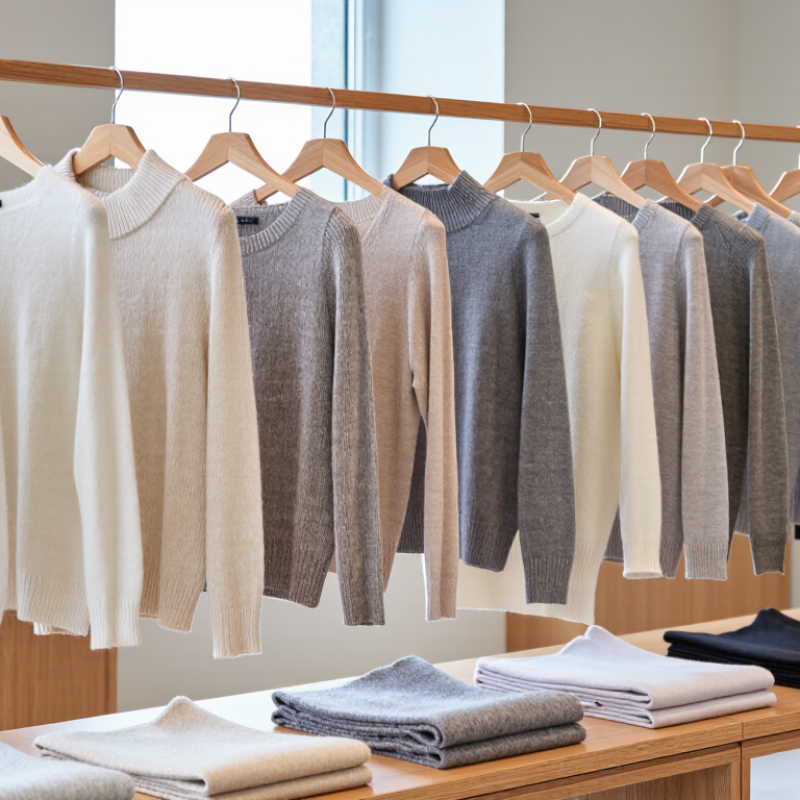
Buying a Loose Sweater for international markets requires more than choosing a relaxed silhouette. Fabric, sizing, climate, labeling, and customer expectations can change from one region to another. A sweater that feels comfortably oversized in London may appear shapeless in Seoul or too warm in Dubai. Small details matter, including sleeve length, shoulder drop, ribbed cuffs, and fabric recovery after washing.

Knitwear designer Debbie Bliss offers a practical reminder: “The right yarn can make all the difference.” Her point applies directly to global sourcing. Cotton may suit warmer destinations, while merino wool offers insulation in colder regions. Blended fibers can improve softness and durability, but buyers should check pilling risk and care requirements. Touch the fabric. Stretch the cuff. Examine the seams. These simple checks reveal problems that product photos often hide.

A reliable buying process also considers size charts, supplier consistency, color accuracy, and packaging conditions. Ask for physical samples. Test the garment after washing. That step is easy to skip.

Loose Sweater trends can look universal, but fit preferences are not. Some customers want generous layering space. Others prefer a slightly structured shape. Even experienced buyers can misjudge demand when relying only on seasonal forecasts. That is worth admitting. The following ten tips offer a practical framework for comparing products, questioning supplier claims, and selecting Loose Sweater styles that balance comfort, quality, market suitability, and long-term customer trust.

10 Loose Sweater Buying Tips for Global Buyers

Define Your Market, Customer, and Loose Sweater Requirements

Global buyers should define the market before choosing a loose sweater.

A coastal customer may need breathable cotton and lighter knitting. A winter customer may prefer wool blends, brushed interiors, and heavier fabric. Climate matters. So does local styling. Oversized silhouettes appeal to younger shoppers, while older customers may prefer relaxed but controlled proportions.

Tip:

Build a customer profile with age, climate, budget, and daily use.

Check local size charts instead of copying another market’s measurements. Shoulder width, sleeve length, and body length can vary widely. I once underestimated sleeve preferences, and the sample looked attractive but felt impractical. That mistake showed me that visual appeal cannot replace customer feedback.

Write a precise product brief before requesting quotations.

Include fiber content, fabric weight, stretch recovery, color references, measurements, and acceptable tolerances. Request a sample in the most common size, then test shrinkage after washing. Inspect seams, rib recovery, pilling, and color consistency under natural light.

Tip: Ask for test records and clear labeling details.

A low price may hide uneven sizing or weak finishing. Leave room for corrections, because even a well-prepared specification may miss how the sweater feels during real movement.

Compare Sweater Fabrics, Knits, Weight, and Seasonal Performance

Loose Sweater Buying Tips for Global Buyers

Tip 1: Check the fiber blend before judging softness.

Wool offers warmth, while cotton feels breathable in mild climates. Acrylic can reduce cost, but it may trap heat and pill faster. Cashmere feels light and warm, yet it needs gentle handling. I have found that touch alone can mislead buyers. Request fiber-content reports and test a washed sample.

Tip 2: Examine the knit structure closely.

Ribbed knits stretch well around cuffs and hems. Jersey knits create a smoother, lighter surface. Cable knits add texture and warmth, but they usually increase weight. Ask suppliers for GSM measurements, not vague terms like “medium weight.” A 500-gram sweater may suit winter shipping, but it can feel excessive in warm regions.

Tip 3: Match sweater weight to the destination season.

Lightweight knits work well for spring layering and cool offices. Midweight styles suit autumn and mild winter conditions. Dense, brushed knits perform better in dry cold, while breathable blends help in humid weather. Test shrinkage, colorfastness, pilling, and recovery after washing. Do not skip this step.

Tip 4: Consider climate differences within one market.

Northern and coastal customers may need different insulation levels. Loose fits also affect airflow and perceived warmth. My practical mistake was treating “winter” as one universal season. It is not. A small fitting panel from several climates can reveal problems before a larger order.

Choose the Right Fit, Size Range, Colors, and Design Details

Loose Sweater Buying Tips for Global Buyers

A loose sweater should create space without looking shapeless. Measure the chest, shoulder, sleeve, and total length on a garment that fits well. Compare these measurements with the supplier’s size chart. Do not rely on S, M, or L alone. Sizing systems vary across markets, and relaxed cuts can differ by several centimeters. I once chose a wider shoulder for comfort, but the sleeves became too long. That mistake changed how I review fit.

Offer a practical size range for the target market. Include garment measurements, tolerance limits, and model details, such as height and usual size. A useful range may include petite, standard, and extended options. Buyers should also test the sweater after washing. Some fibers shrink, while loose knits may stretch. The fit can change.

Color selection needs both trend awareness and production control. Neutral shades support repeat orders, while soft seasonal colors add visual interest. Request physical color references when possible. Screens can distort warm beige into gray. Small differences matter. Check color consistency across production lots, especially for larger orders. Design details should match the sweater’s purpose. A dropped shoulder feels casual, while ribbed cuffs improve shape retention. Check neckline recovery, stitch density, seam strength, and pocket placement. Decorative details may look attractive but increase cost or snag risk. I still question oversized pockets on lightweight knits. They can pull the front downward. Reliable suppliers should explain fabric composition, measurement tolerances, testing methods, and care instructions in clear language.

10 Loose Sweater Buying Tips for Global Buyers - Choose the Right Fit, Size Range, Colors, and Design Details

No. Buying Dimension Recommended Guideline Practical Measurement or Data Why It Matters Buyer Check
1 Define the Intended Fit Choose relaxed or oversized styling without allowing excessive fabric to restrict movement or create an unbalanced silhouette. For a relaxed fit, consider approximately 10–20 cm of added ease over the body measurement; oversized styles generally require more ease and longer proportions. “Loose” is not a universal size category. The same labeled size may fit differently across markets and patterns. Request the garment’s finished measurements, not only the size label.
2 Build a Clear Size Range Offer a size scale that reflects the target market’s body measurements and includes sufficient larger-size coverage. Use a measurement chart in centimeters and inches, covering chest, shoulder, sleeve length, body length, and hem width. International buyers cannot reliably compare S, M, L, or XL labels without standardized measurements. Approve a size chart and tolerance range before production.
3 Measure Chest Ease Prioritize chest width and armhole comfort when evaluating a loose sweater. A practical starting point is 10–20 cm of ease for relaxed fits, adjusted for knit thickness, stretch, and layering needs. Chest ease affects comfort, drape, layering capacity, and the overall appearance of the sweater. Compare the sweater’s half-chest measurement with a favorite garment.
4 Check Shoulder and Sleeve Design Select dropped shoulders, raglan sleeves, or set-in sleeves according to the desired look and movement. Dropped shoulders create a softer, casual shape; raglan sleeves improve mobility; set-in sleeves provide a more structured shoulder line. Sleeve construction changes perceived volume, comfort, and compatibility with outerwear. Review shoulder width, bicep width, cuff opening, and sleeve length together.
5 Match Fiber Content to Climate Choose natural, synthetic, or blended fibers based on temperature, humidity, care expectations, and price positioning. Wool and alpaca provide warmth; cotton is breathable but can feel heavier when wet; acrylic is lightweight and generally easy to care for; blends balance properties. Fiber performance affects warmth, moisture handling, durability, pilling risk, and washing requirements. Confirm fiber percentages and care instructions on the specification sheet.
6 Select Suitable Knit Weight Use lightweight knits for transitional weather and layering; choose medium or heavy knits for colder conditions. Specify yarn count, stitch density, gauge, or finished garment weight because “thick” and “thin” are subjective descriptions. Knit weight influences warmth, drape, shipping weight, drying time, and retail seasonality. Ask for a fabric swatch and test the sample after washing.
7 Plan a Versatile Color Palette Balance core neutrals with seasonal accent colors to support different wardrobes and regional preferences. Core options may include black, navy, gray, cream, camel, or brown; add accent shades after reviewing target-market demand. Neutral shades often support repeat wear, while accent colors create visual variety and seasonal interest. Approve lab dips under standard lighting and verify colorfastness.
8 Evaluate Neckline and Collar Height Choose crew necks for everyday versatility, V-necks for a more open neckline, or turtlenecks for additional coverage and warmth. Measure neck opening, collar height, rib elasticity, and recovery after repeated stretching. Neckline dimensions affect comfort, layering, face framing, and the perceived proportion of an oversized garment. Check whether the neckline remains flat and comfortable during wear.
9 Inspect Construction Details Review ribbing, seams, cuffs, hem, armhole shaping, and finishing for both appearance and durability. Rib cuffs and hems should recover after stretching; seams should be even, secure, and free from dropped stitches or loose yarns. Small construction defects can become more visible on loose silhouettes and may lead to returns. Use a pre-shipment inspection checklist with measurable defect standards.
10 Test Shrinkage, Pilling, and Care Approve the sweater only after basic wear and laundering tests confirm that the loose shape remains stable. Record length and width before and after washing; inspect pilling, color change, seam distortion, and rib recovery according to the agreed test method. Knitwear can change in size, surface appearance, and shape when exposed to heat, friction, or unsuitable washing. Print clear care instructions and validate them with a sample test.
Measurement note: All fit allowances are starting guidelines. Final specifications should be adjusted for fiber content, knit structure, target customer measurements, intended layering, and post-wash performance.

Evaluate Suppliers, Samples, Quality Standards, and Order Terms

When buying loose sweaters globally, evaluate the supplier before discussing price. Request a registered business profile, production photos, export references, and recent quality records. Ask who controls knitting, dyeing, finishing, and final inspection. A detailed reply usually reveals more than a polished catalog. Slow replies are a warning.

Order samples in several sizes, not just one attractive piece. Check sleeve symmetry, neckline recovery, seam strength, and fabric hand feel. Measure the chest and length after washing. A loose fit can become shapeless when the ribbing relaxes. It happens. Record every measurement on a signed sample sheet, including yarn composition, fabric weight, color, and approved accessories. Keep one sealed reference sample for production comparison.

Define quality standards before placing the order. Specify acceptable measurement tolerances, pilling performance, colorfastness, shrinkage limits, and needle or stitching defects. Ask for independent laboratory testing when the market requires it. Supplier inspection alone may be insufficient. Agree on inspection timing, carton markings, packing methods, and the procedure for defective goods. Terms should state payment stages, delivery dates, replacement duties, and documentation requirements. A low unit price can hide expensive rework. Leave room for correction; my own assumption that one approved sample guaranteed consistency would be too optimistic. Batch variation still needs inspection.

Calculate Total Costs, Shipping, Import Duties, and Delivery Risks

When buying loose sweaters internationally, judge the landed cost, not the listed price. I have reviewed purchase sheets where freight doubled the original order value. Request the sweater weight, carton size, fabric composition, and packed quantity before negotiating. These details make shipping estimates more realistic. Compare air, sea, and consolidated freight options. Ask whether the quote includes export handling, insurance, and delivery to your actual address. A cheap quote can hide expensive local charges.

DELIVERY TERMS
Check the delivery term carefully. It should identify who arranges transport, customs clearance, and final delivery. Estimate import duties from the correct product classification and fiber content. Tax rules differ by destination, so confirm them with a qualified customs professional. Do not assume sample orders use the same rates. Sometimes they do not. Keep invoices, packing lists, and payment records consistent. Customs may question unusual values or incomplete descriptions.

Build a risk allowance into your budget. Weather, port congestion, address errors, and inspections can delay delivery. Ask the supplier for production dates, dispatch evidence, and carton tracking details. Confirm whether damaged packages are photographed before shipment. Insurance may cover transit damage, but exclusions matter. Read them carefully. I once trusted an estimated arrival date too much, and a seasonal promotion lost its value. A spreadsheet can still be wrong. Recalculate costs when currency rates, quantities, or shipping methods change. Include storage fees if delivery fails or customs documents arrive late. Loose sweaters need volume, not just weight. That overlooked detail can quietly reshape the entire order.