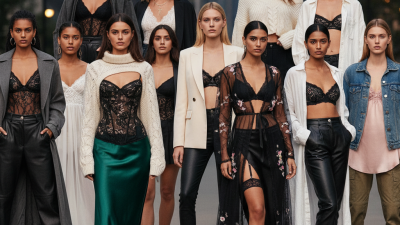
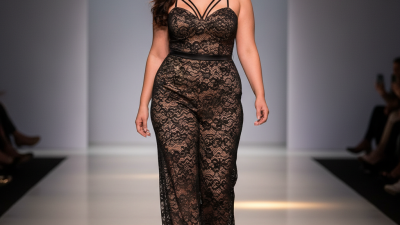
Top Tips for Sourcing Corset Tops Worldwide?
The global fashion industry is witnessing a resurgence in the popularity of the "Corset Top." According to a recent report by Statista, the corset market is projected to reach $2 billion by 2026, reflecting a substantial consumer interest. This trend highlights a growing desire for vintage-inspired fashion among modern consumers. Fashion expert Dr. Emily Forsythe states, "The Corset Top is not just a trend; it symbolizes empowerment and body positivity."
Sourcing these unique garments worldwide presents exciting opportunities. However, it requires strategic planning and sensitivity to cultural nuances. Many buyers struggle with finding reliable suppliers who can deliver both quality and authenticity. This challenge emphasizes the importance of thoroughly vetting sources and maintaining a flexible approach to sourcing. Understanding regional differences can significantly impact the availability and demand for Corset Tops.
Incorporating sustainable practices can add value as well. As consumers become more conscientious, they often prefer brands that prioritize ethical production. The journey to sourcing quality Corset Tops can be rewarding but also demands reflection on sourcing choices and transparency. Balancing fashion trends with responsible fashioning is a pivotal aspect of this intricate process.

Understanding the Global Corset Top Market Trends and Demands
The global corset top market is experiencing a notable resurgence, driven by a combination of vintage fashion trends and contemporary styling. According to a report from Market Research Future, the apparel industry is predicted to grow by 5.4% annually from 2021 to 2027. Corset tops, in particular, are seeing increased demand for their versatility and aesthetics. This renaissance can be attributed to the rise of social media, where influencers showcase creative outfits that highlight corset designs.
When sourcing corset tops, it's essential to consider various material options. Cotton, lace, and satin remain popular. Each fabric offers distinct qualities that cater to different customer preferences. Understanding target demographics is crucial. Younger generations favor bold, eclectic styles, while older consumers lean toward classic cuts. Keep an eye on sustainability trends. Eco-friendly fabrics are increasingly favored in consumer choices.
Be aware of the pricing strategies. Competitive pricing is needed, yet quality must not be sacrificed. Direct communication with suppliers can aid in securing better deals. Always analyze market trends before making a purchase. Industry reports indicate a shift toward customization, indicating a potential opportunity for tailored designs. This reflects a broader consumer desire for unique fashion statements.
Identifying Key Materials and Fabrics for Corset Top Production
Corset tops are a fashion staple that blend historical elegance with modern style. When sourcing materials for their production, it's crucial to consider fabric types. Cotton and silk are popular choices, offering comfort and breathability. Cotton is durable while silk adds a luxurious touch. Fabrics with a slight stretch enhance fit and comfort for the wearer.
Another important aspect is the type of boning used in corset tops. Steel boning provides structure and longevity but can be heavy. Plastic boning offers flexibility but might lack the same level of support. The choice often depends on the intended use—whether for daily wear or special occasions. Designers should weigh these options carefully.
Colors and patterns also matter. Solid colors can make a statement, while patterns can elevate a basic design. Finding the right balance can be challenging. Quality sourcing often requires testing various materials. Be prepared for trial and error. It’s a journey of discovery, each fabric with unique characteristics. The perfect corset top begins with informed choices in material selection.
Examining Leading Sourcing Regions for Corset Tops Worldwide
When sourcing corset tops globally, understanding leading regions is crucial. Asia remains a powerhouse, with countries like China and India providing diverse manufacturing options. A 2023 report by Statista indicates that China accounts for over 30% of the world's apparel production. This dominance is driven by lower labor costs and a vast network of textile resources. However, challenges such as quality inconsistency and intellectual property concerns can arise.
Europe has also carved a niche in corset production. With a focus on artisanal craftsmanship, countries like Italy and Spain are popular among high-end brands. According to the European Fashion Alliance, about 25% of fashion goods in Europe are produced with an emphasis on sustainability. This trend highlights the shift towards eco-friendly practices. Yet, costs are significantly higher in these regions, making it less accessible for mass-market brands.
Sourcing in Latin America is growing, particularly in countries like Brazil and Colombia. They offer the advantage of short shipping times to North America. A recent study from the International Trade Centre suggests that regional sourcing can reduce lead times by up to 40%. Still, manufacturers often struggle with scalability. Finding balance between quality and capacity is essential.
Exploring these regions involves weighing benefits against potential pitfalls. Each has its unique strengths and challenges that require careful consideration.
Navigating Trade Regulations and Import Duties in Corset Sourcing
Navigating trade regulations and import duties is critical for anyone sourcing corset tops globally. Understanding the specific requirements for each country can significantly affect your bottom line. According to the World Trade Organization, different regions have various tariffs and customs procedures that can influence pricing and availability.
For example, the European Union has stringent labeling and safety standards for textile imports. Import duties for apparel can range from 0% to 20%, depending on the country of origin. Having an inaccurate declaration can lead to penalties and delays. It's essential to have clear communication with suppliers and shipping companies to avoid these issues.
Additionally, consider the impact of trade agreements. Countries engaged in free trade may have reduced tariffs or simplified customs processes. Ignoring these nuances can lead to unforeseen costs. Therefore, researching each market's import regulations and being aware of the shifts in trade policies is vital. This approach saves time and enhances compliance, ensuring a smoother sourcing process.
Evaluating Supply Chain Management Strategies for Corset Tops Production
When sourcing corset tops, evaluating supply chain management strategies is critical. The global fashion industry faces challenges in logistics and production efficiency. According to the McKinsey Global Fashion Index, over 30% of fashion brands struggle with supply chain visibility. Enhanced transparency could streamline operations and reduce costs.
Sourcing materials from diverse regions can mitigate risks. The World Trade Organization reports that global trade volumes in textiles have increased by 15% annually. However, reliance on a single source can lead to disruptions, especially during geopolitical tensions. Diversifying suppliers enhances flexibility and responsiveness.
Data-driven decision-making is essential for supplier evaluation. Using key performance indicators (KPIs) helps in assessing quality and delivery timelines. A survey by Deloitte found that companies leveraging analytics achieved a 15% improvement in supply chain efficiency. Nevertheless, it is critical to continually review partnerships. Regular audits can uncover areas for improvement, ensuring suppliers align with sustainability goals.