7 Tips for Sourcing Sexy Print Strappy Vests
Sourcing a Sexy Print Strappy Vest takes more than finding a striking pattern. Buyers must balance fit, fabric, print quality, cost, and dependable delivery. McKinsey and The Business of Fashion’s The State of Fashion 2024 projected 2–4% growth for the global fashion industry that year. That broad forecast is not a sales forecast for this specific garment. It does, however, underline why careful product selection matters in a competitive market.
Material choices deserve close attention. Textile Exchange’s Materials Market Report 2024 estimated that global fiber production reached 124 million tonnes in 2023. For buyers, that scale makes clear, verifiable fabric specifications valuable. Ask suppliers for fiber composition, fabric weight, colorfastness details, and any relevant testing records. Then check the sample under ordinary light. A vivid print can look different beside a window than it does in a supplier’s studio. Small details matter.
This guide’s seven tips focus on practical checks: assessing supplier capability, reviewing print placement, confirming strap construction, comparing samples, and clarifying minimum order quantities and lead times. Request a size set, not just a photo. Inspect seams where straps meet the body; that small junction can affect both comfort and durability. Still, a neat spreadsheet cannot predict every return. I would treat supplier claims as starting points, then verify the important ones with samples and documentation. The aim is not simply a lower quote. It is a vest customers can wear comfortably, and a sourcing decision your team can explain.
Define the Style and Performance Requirements for Strappy Vests
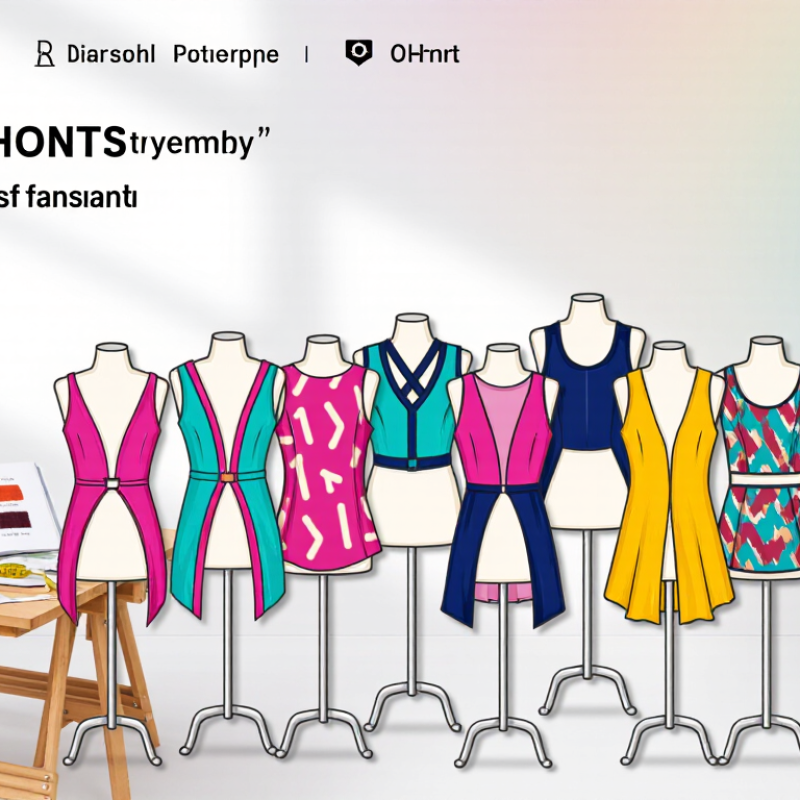
Before contacting suppliers, define what “sexy” means for your customer: a bold print, clean lines, or delicate-looking straps. Specify the intended fit, coverage, and occasions.
Tip:
Share reference images with notes on print scale, placement, and color, rather than relying on broad terms like “fashionable.” A palm-sized motif can look very different across a full front panel.
Next, set measurable performance requirements. List the fabric composition, stretch and recovery, opacity under bright light, and target garment weight. State strap width, adjustability, and hardware finish. Ask for a sample in the proposed fabric, then check whether the straps stay in place during movement. Small details matter. Inspect seams at strap joins and test the print after washing according to the intended care instructions.
A clear checklist reduces guesswork, but it cannot replace a physical sample. Compare the approved sample with the production specification, including color and print alignment.
Tip:
Record acceptable tolerances for placement and measurements before ordering. I’d also leave room to revise the first draft; fit assumptions can be wrong, especially across sizes. That is not a failure. It is useful feedback before production scales.
Identify Suppliers Experienced in Sexy Printed Apparel
A supplier experienced in sexy printed apparel should show more than attractive catalog images. Ask for recent samples of strappy vests with similar fabrics, print coverage, and cutout details. Inspect how the print aligns across seams and whether thin straps sit flat without twisting. Request details about fabric weight, stretch recovery, and colorfastness. These checks matter because a design can look striking on screen yet feel uncomfortable when worn. Review production photos, sample timelines, and the supplier’s process for handling print or sewing defects. Specific answers are more useful than broad promises.
Tip: Ask for a sample in your intended fabric. Compare the print under daylight, then check stitching and strap strength after gentle washing. Keep notes.
Before placing a larger order, confirm the approved artwork, color references, size measurements, and acceptable defect limits in writing. Ask whether the supplier can repeat the same print placement across sizes. Small panels and curved seams can shift a pattern. A simple size run may reveal that early. I would not rely on a single perfect sample, either. Request a revised sample if the fit, lining, or print differs from your specification. Even experienced suppliers can misunderstand a detail; clear records make corrections easier.
Assess Fabric, Print Quality, and Strap Construction
When reviewing a printed strappy vest, begin with the fabric, not the product photo. Check the fiber content, weight, stretch, and recovery against the intended fit. A fabric that feels soft may still turn sheer when stretched. Hold a sample near a window and gently pull it across the body. Notice whether it snaps back or stays loose. Small checks help.
Next, inspect the print under natural light. Look for blurred edges, uneven color, and visible breaks where fabric panels meet. Rub a dry white cloth over a hidden area, then repeat with a slightly damp one. Some color transfer may appear, so ask the supplier how the print is tested and cared for. A clean sample is reassuring, but one sample cannot represent every production run. I have learned to request a second piece when the print looks unusually saturated.
Straps need a close look. Check that stitching is even, attachment points are reinforced, and adjusters move without catching. Gently pull each strap; it should feel secure without puckering the fabric. Compare left and right lengths, too. A neat finish can still hide weak stitching, so inspect the inside. I sometimes focus too much on appearance. That is not enough. Ask for measurements and a sample after washing, since shrinkage or strap twisting can change the fit.
Verify Samples, Sizing, and Production Standards
A product photo can hide a lot. Request a sample made with the intended fabric, print, lining, and hardware. Check whether the print stays centered across seams and whether its colors shift under daylight. Pull each strap gently and inspect the stitching at its attachment points. Small details matter.
Measure the sample flat, then compare it with the supplier’s size chart. Check bust width, body length, and strap adjustment range; a vest that fits one model may not suit every body. Ask how measurements change between sizes, and request a graded size set when possible. Try the garment on people with different proportions. Notes from one fit session are useful, but not enough.
Before placing a larger order, agree on written tolerances for measurements, print placement, and stitching. Ask how fabric lots are checked for shade variation and how finished pieces are inspected. A simple checklist with photos can make approval clearer. I have found that verbal promises feel reassuring, yet they are easy to misunderstand. Even a signed sample can differ slightly from bulk production, so inspect pieces from the actual run. Leave time for corrections. Schedules slip.
Compare Costs, Lead Times, and Supplier Terms
For sexy print strappy vests, compare landed cost, not just the unit price. Request separate quotes for fabric, printing, straps, hardware, labels, sampling, and freight. A vivid placement print may need extra fabric or careful cutting, while metal adjusters add cost and weight. Compare minimum order quantities and payment terms too. A low quote can become expensive if color approval, inspection, or packaging fees appear later.
Tip: Ask each supplier to quote the same vest specification and delivery destination. Request sample, production, and shipping lead times separately. UNCTAD’s Review of Maritime Transport 2024 reported that weekly Suez Canal transits fell 42% from their peak by late January 2024; container ship transits fell 67%. This is not an apparel-specific measure, but it shows why shipping estimates deserve a buffer. Put the agreed shipping method and delay updates in writing.
Check supplier terms for deposit size, balance timing, defect remedies, and what happens when approved print colors differ from bulk production. Ask for dated samples under natural and indoor light. Compare the cost of a corrected production run, not only the first run. I’d still leave room for uncertainty; a neat spreadsheet cannot predict every delay.