Welcome to the TopShow!Garment manufacturing !
OEM, ODM Service,Custom color Custom logo,Custom Your Own Brand Online!

China Top Floral Floor Length Dress Suppliers is a practical sourcing topic within the wider women’s apparel market. Grand View Research valued the global women’s apparel market at approximately USD 1.03 trillion in 2023. Its report also forecasts continued growth through 2030. However, floral floor-length dresses are not usually tracked as a separate category. The data is useful, but incomplete.
According to McKinsey and The Business of Fashion’s State of Fashion 2024, fashion brands face cautious consumers, rising costs, and stronger expectations for product value. These pressures affect supplier selection. Buyers need more than attractive catalog images. They should examine fabric composition, print durability, size grading, stitching quality, sampling speed, and production capacity. A useful supplier should also provide clear documentation and consistent communication.
Floral Floor Length Dress designs depend on small details. Think about soft rayon moving at the ankle, clean waist seams, and floral colors that remain balanced under daylight. Christian Dior once wrote, “After women, flowers are the most divine creations.” His observation still reflects the emotional power of floral fashion. Yet beauty alone cannot confirm manufacturing reliability. That is where many sourcing discussions become too optimistic. A supplier may show excellent samples but deliver uneven bulk production. Therefore, this guide will examine China-based suppliers through practical evidence, including product quality, customization, lead times, minimum order quantities, and buyer experience. Some conclusions may require further verification. That is not a weakness; it is a necessary part of responsible sourcing.
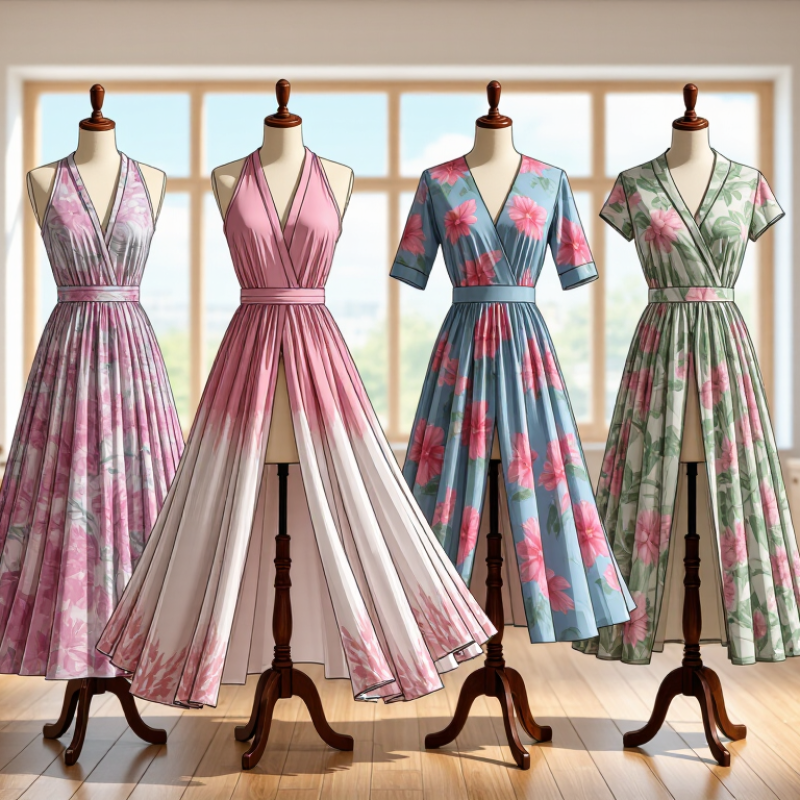
China’s floral floor-length dress supply chain is supported by a mature textile and apparel base. China Customs data reported by industry trade bodies puts China’s textile and apparel exports at about US$301 billion in 2024, rising from approximately US$294 billion in 2023. This broader figure does not isolate floral dresses, but it shows strong manufacturing capacity.
The WTO’s World Trade Statistical Review identifies China as the world’s largest clothing exporter, with roughly one-third of global clothing exports in 2023. Suppliers benefit from nearby fabric mills, printing facilities, accessory workshops, and professional garment factories. These links can shorten sampling cycles. They may also reduce fabric coordination problems.
Not every supplier offers the same reliability. A factory may quote low prices but lack stable printing control or finished-garment inspection. I have seen floral samples vary because of fabric shrinkage, color bleeding, and uneven pattern placement. These details matter on a floor-length silhouette. Small errors become obvious.
The 2024 market also reflects wider digital retail growth. China’s National Bureau of Statistics reported online retail sales of physical goods exceeding 13 trillion yuan in 2024, with continued expansion. For overseas buyers, this supports faster sample communication and order tracking. However, public reports rarely separate floral floor-length dresses from total apparel. Buyers should request current production capacity, fabric test records, size measurements, and shipment data before comparing suppliers.
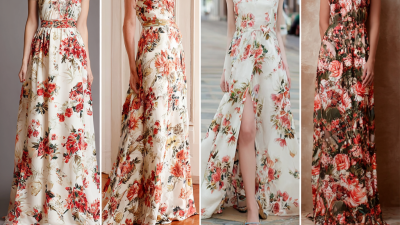
A practical ranking starts with MOQ, not attractive catalog photos. Low-MOQ suppliers suit boutique testing, often accepting 50–100 pieces per floral style. Their capacity may reach 1,000–3,000 dresses monthly. They can usually support 15–20-day lead times for approved patterns and stocked fabrics. Mid-volume factories often require 200–500 pieces. Their monthly output may exceed 5,000 dresses, with lead times closer to 20–25 days. High-capacity suppliers rank well for larger launches. However, they may request 500–1,000 pieces and need 25–30 days.
Production capacity needs verification. Ask for current sewing-line numbers, daily output, and recent quality records. A floor-length dress requires careful hem control, lining alignment, and print matching. Small errors become obvious on long skirts. Request a pre-production sample before confirming the full order. Fabric shrinkage should also be tested, especially for lightweight floral materials. These checks reflect practical sourcing experience, not only supplier claims.
Tips: Compare MOQ with your sales forecast. Confirm whether the 15–30-day lead time includes fabric preparation, sewing, inspection, and packing. Ask for a written tolerance standard. Capacity figures can change during peak seasons. This ranking is useful, but not perfect. A supplier promising speed may sacrifice finishing quality. Recheck every important detail.
For buyers sourcing China’s floral floor-length dresses, fabric weight is a practical quality signal. GSM means grams per square meter, not fabric thickness alone. A 120 GSM chiffon feels light and moves easily, while 180 GSM woven fabric offers more body. The right number depends on lining, season, and print coverage. Ask suppliers to measure GSM from production fabric, not only a showroom swatch. Small differences can change drape. They do.
Print performance needs documented testing. Colorfastness grade 4 is a useful benchmark for washing and rubbing resistance, but the test method matters. Request the standard, laboratory date, and results for dry and wet rubbing. A dark rose print can look beautiful before washing, then transfer onto pale lining. Washing instructions should match the tested process. This is where many product sheets feel too optimistic. Check a sealed sample after laundering, pressing, and three days of storage.
OEKO-TEX documentation should identify the exact fabric or finished garment, certificate scope, and validity. It supports screening for harmful substances, but it does not replace physical quality inspection. Reliable suppliers can provide batch records, shade references, and pre-shipment samples. Compare the approved print with bulk rolls under daylight. Keep one retained sample. Mistakes still happen, especially with repeat artwork and mixed fabric lots. A careful review catches them earlier.
| Fabric Category | Typical Fiber Content | Recommended Fabric Weight (GSM) | Suitable Dress Construction | Floral Print Method | Colorfastness Target | Relevant Test Standard | OEKO-TEX Requirement |
|---|---|---|---|---|---|---|---|
| Lightweight Woven Polyester | 100% polyester | 75–110 GSM | Soft, flowing floor-length dresses; suitable for gathered skirts and lining applications | Digital or disperse transfer printing | Grade 4 or higher for washing and dry rubbing | ISO 105-C06; ISO 105-X12 | OEKO-TEX® STANDARD 100, preferably Product Class II for direct skin contact |
| Polyester Chiffon | 100% polyester | 50–85 GSM | Sheer overlays, sleeves, ruffles, and layered maxi-dress panels | Disperse or digital pigment printing | Grade 4 target for dry rubbing; wet rubbing may vary by print shade | ISO 105-X12; ISO 105-E04 | Certified fabric and print auxiliaries should meet OEKO-TEX® STANDARD 100 limits |
| Polyester Satin | 100% polyester | 90–130 GSM | Fluid silhouettes, bias-cut styles, cowl necklines, and occasion dresses | Digital disperse printing | Grade 4 or higher for washing and perspiration | ISO 105-C06; ISO 105-E04 | OEKO-TEX® STANDARD 100 certification should cover the finished fabric |
| Viscose Woven Fabric | 100% viscose | 110–150 GSM | Breathable, drapey maxi dresses with a soft hand feel | Reactive or pigment printing | Grade 4 target for washing, perspiration, and dry rubbing | ISO 105-C06; ISO 105-E04; ISO 105-X12 | OEKO-TEX® STANDARD 100 is recommended for the fabric, dyes, and finishing agents |
| Viscose-Cotton Blend | Typically 55% viscose / 45% cotton | 120–180 GSM | More structured floor-length dresses, full skirts, and casual floral styles | Reactive printing | Grade 4 or higher for washing and dry rubbing | ISO 105-C06; ISO 105-X12 | OEKO-TEX® STANDARD 100 certification should apply to the finished textile |
| Cotton Poplin | 100% cotton | 110–170 GSM | Opaque, breathable dresses with defined pleats, tiers, or fitted bodices | Reactive printing | Grade 4 target for washing, perspiration, and rubbing | ISO 105-C06; ISO 105-E04; ISO 105-X12 | OEKO-TEX® STANDARD 100 Product Class II is suitable for garments worn next to skin |
| Polyester-Spandex Jersey | Typically 95% polyester / 5% elastane | 180–240 GSM | Stretch maxi dresses, fitted bodices, and body-skimming silhouettes | Digital or sublimation printing | Grade 4 target after laundering and stretch recovery testing | ISO 105-C06; ISO 105-X12 | OEKO-TEX® STANDARD 100 certification should include elastane and print components |
| Crepe Fabric | Polyester, viscose, or blended construction | 110–180 GSM | Elegant floor-length dresses requiring fluid drape with moderate opacity | Digital, disperse, or reactive printing according to fiber content | Grade 4 or higher for washing and dry rubbing | ISO 105-C06; ISO 105-X12 | OEKO-TEX® STANDARD 100 certification should match the exact fiber blend and finish |
China’s floral floor length dress suppliers need more than attractive samples and polished catalog photos. Factory verification starts with a valid ISO 9001 certificate and its certification scope. Check the issuing body, expiry date, and covered production site. During a factory visit, inspect cutting tables, sewing lines, pressing areas, and final inspection records. Small details matter, such as consistent flower placement and secure thread ends.
AQL 2.5 inspection provides a measurable quality checkpoint for bulk orders. Inspectors should compare finished dresses with approved samples, measurement charts, and fabric specifications. They can review stitching, color variation, zipper function, stains, and loose sequins. AQL 2.5 is not a promise of perfection. It is a sampling method. A weak inspection plan may still miss repeated defects. That limitation deserves honest discussion.
Compliance audits should examine worker safety, fire exits, wage records, working hours, chemical handling, and waste controls. Request recent audit reports and verify whether corrective actions were completed. Do not accept a certificate without checking its details. A document can look official and still provide limited protection. Experience shows that factory conditions may change after an audit.
Tips: Ask for a live video walkthrough, not only edited images. Request inspection photos with dates and batch numbers. Keep written approval for floral prints, length, lining, and packaging. Recheck samples before shipment, because production errors sometimes appear late.
This chart presents recognized verification reference points rather than company or brand performance data. ISO 9001 is built around seven quality management principles, AQL 2.5 represents an inspection quality limit of 2.5 defective units per 100 units, and compliance audits generally require zero critical findings for approval.
A low FOB quote can still become expensive. Under Incoterms 2020, FOB transfers risk when goods are loaded on board the vessel. It does not include ocean freight, insurance, or destination charges. UNCTAD’s Review of Maritime Transport 2023 states that shipping carries over 80% of global merchandise trade by volume. Freight volatility therefore deserves a separate budget line. Compare fabric weight, carton dimensions, port handling, and customs fees before approving floral floor length dress suppliers. Request a written FOB breakdown, not only a unit price.
Use a KPI scorecard with weighted targets. Suggested measures include on-time shipment rate, sample approval accuracy, colorfastness results, defect percentage, response time, and carton damage. The World Bank’s Logistics Performance Index 2023 used responses from 4,090 trade professionals across 139 countries. Its indicators highlight customs, infrastructure, tracking, and delivery timeliness. These areas can shape supplier risk beyond sewing quality.
A practical scorecard might assign
30% to quality,
25% to delivery,
20% to cost stability,
15% to communication.
Leave 10% for corrective-action performance. That part is often overlooked. A supplier may pass one inspection but fail during peak production. Ask for recent production records, fabric test reports, and loading photos. Compare three shipment scenarios under Incoterms 2020.
My imperfect view: FOB is useful for control, but it can create false confidence when inland transport is poorly measured.
Review the scorecard monthly, and revise the weights after real shipment data arrives.