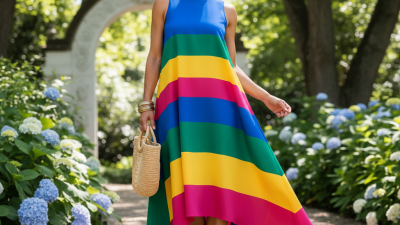
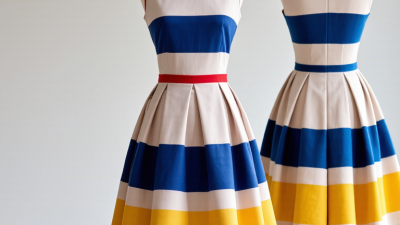
Welcome to the TopShow!Garment manufacturing !
OEM, ODM Service,Custom color Custom logo,Custom Your Own Brand Online!

The 2026 Color Block Stripe Dress trend is moving beyond simple contrast. Designers are combining vivid panels, narrow racing stripes, and softened neutral bands. The result feels energetic, but easier to wear than many runway experiments.
Leatrice Eiseman, executive director of the Pantone Color Institute, has said, “Color is a powerful psychological tool.” That principle matters here. A cobalt stripe can sharpen the waist visually. A coral panel can warm the face. Cream sections can prevent the design from feeling too loud. Small details create big changes.
This guide examines the leading Color Block Stripe Dress directions expected for 2026. It considers color pairing, stripe scale, fabric movement, and everyday styling. Runway previews suggest strong interest in saturated blue, tomato red, butter yellow, and mineral green. Retail feedback may still change the picture. Fashion predictions are never perfectly fixed.
Some dresses will photograph beautifully but feel awkward when walking. Others may look modest online and appear surprisingly bright in daylight. That difference deserves attention. We will compare practical silhouettes, wearable color placement, and styling choices for different settings. The analysis also considers comfort, fabric quality, and responsible purchasing. Trend appeal should not replace fit or durability.
Expect useful details, not empty forecasts. A striped knit may stretch across the body. A crisp cotton dress may hold sharper blocks. Those differences influence the final appearance. The best 2026 choices will balance visual confidence with real-life movement. That balance is easy to miss.
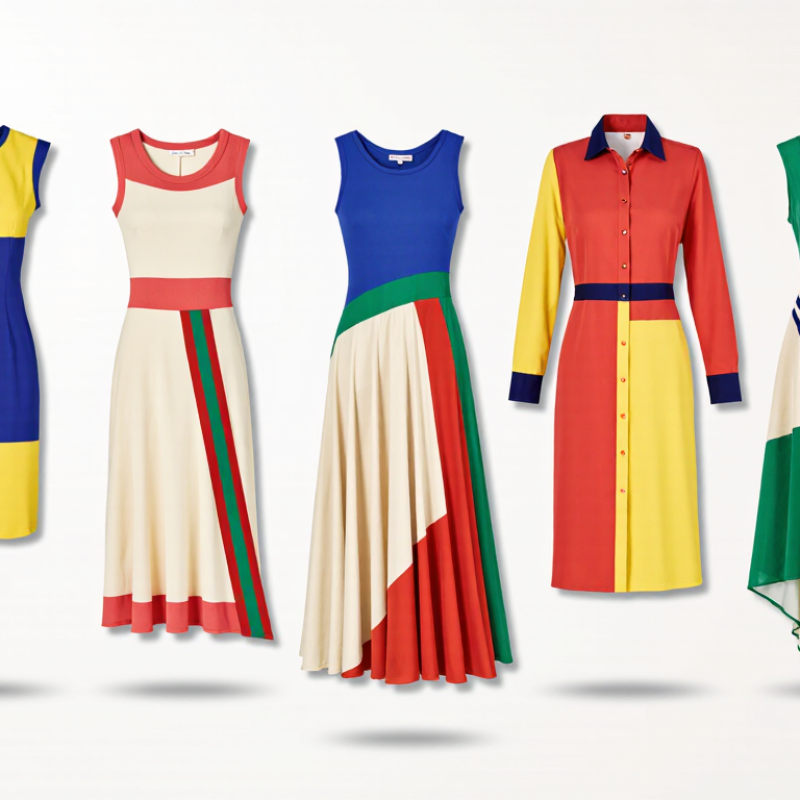
WGSN and Pantone forecasts point toward expressive color with practical wearability in 2026. Color-block stripe dresses may combine mineral neutrals with vivid accent panels. Think soft sand beside cobalt blue, or warm clay against citrus yellow. These contrasts create movement without relying on complicated prints. I expect wider vertical stripes to gain attention because they feel clean and elongating. Slim horizontal bands can still work, especially across sleeves or waist sections.
Fabric choice will shape how these colors appear. Matte cotton may soften strong contrasts, while fluid recycled fibers can make stripes ripple during walking. In fittings, I would check the color breaks from several angles. A bold panel can look balanced on a hanger but feel misplaced in motion. That detail matters.
Pantone’s color direction often helps explain emotional shifts in fashion, while WGSN adds broader cultural and material context. Their forecasts are useful guides, not fixed instructions. Forecasts can miss. Designers should test colors under daylight, store lighting, and camera flash. A deep blue may appear refined outdoors but overly dark indoors. Small flaws can become useful discoveries.
The strongest 2026 dresses may mix optimism with restraint. One bright stripe could interrupt a calm neutral field. Uneven stripe widths may feel more personal than perfectly repeated patterns. Still, excessive contrast can quickly become tiring. The best designs leave space for the eye.
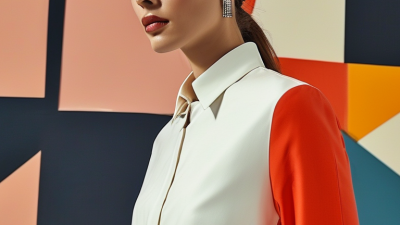
Runway trend reports for 2026 show color-block stripe dresses moving toward clearer visual rhythm. Wide stripes, measuring roughly 8 to 14 centimeters, create the strongest statement on relaxed midi silhouettes. Medium bands, around 4 to 7 centimeters, appear more adaptable for everyday dressing. Narrow stripes remain relevant, but they now work best as framing details rather than full-dress patterns.
The most noticeable direction is controlled contrast. Deep blue beside warm ivory feels polished, while tomato red with soft pink creates sharper energy. Vertical stripes continue to lengthen the body visually, especially when they follow princess seams or side panels. Horizontal bands are becoming more deliberate. They often sit across the waist or hem instead of covering the entire garment. That shift matters.
Trend-report comparisons suggest that stripe width is becoming more important than color quantity. Designers are using fewer tones, but giving each band more space. Fabric also changes the result. Compact jersey keeps wide stripes clean, while fluid viscose creates softer, slightly distorted edges. The evidence is uneven. Some reports combine runway samples with retail forecasts, so exact measurements should not be treated as universal rules. In practical fitting sessions, broad stripes can widen the area they cross. A diagonal panel may balance that effect. Not every stripe works. Careful placement still decides whether a color-block dress feels modern or visually crowded.
Mapping 2026 runway stripe widths using fashion trend-report data
| Trend Direction | Stripe Width | Typical Stripe Ratio | Best Dress Placement | Color-Block Pairing | Visual Effect | 2026 Trend Signal |
|---|---|---|---|---|---|---|
| Micro Pinstripe | 1–3 mm | 1:1 or 2:1 | Full-length vertical panels, shirt dresses and fitted column silhouettes |
Charcoal + ivory
|
Creates a refined, elongated line with a tailored appearance. | Selective |
| Fine Graphic Stripe | 4–7 mm | 1:1 | Bias-cut midi dresses, wrap dresses and narrow waist panels |
Cobalt + ivory
|
Adds crisp graphic definition without overpowering the silhouette. | High |
| Classic Breton Block | 8–15 mm | 1:1 or 2:1 | Relaxed jersey dresses, boat-neck styles and straight midi shapes |
Navy + ivory
|
Balances familiarity with a clean, contemporary nautical reference. | High |
| Medium Color-Block Stripe | 20–35 mm | 1:1 or 1:2 | Horizontal torso bands, tiered skirts and asymmetric side panels |
Tomato + butter + chocolate
|
Delivers strong color interruption and makes simple dresses feel directional. | Very high |
| Wide Statement Stripe | 45–70 mm | 1:2 or 1:3 | Column dresses, dropped-waist silhouettes and broad skirt panels |
Coral + sage
|
Produces a bold runway-focused effect and emphasizes body-length proportion. | Very high |
| Macro Panel Stripe | 80–120 mm | 1:3 or 1:4 | Minimal maxi dresses, engineered front panels and side-to-side color blocking |
Chocolate + butter
|
Turns the dress into a graphic canvas and works best with uncomplicated construction. | Editorial |
| Uneven Hand-Drawn Stripe | 10–45 mm variable | Irregular | Soft slip dresses, gathered waists and fluid summer jersey |
Sky blue + orange + ivory
|
Introduces a handmade, relaxed feel while preserving a clear vertical rhythm. | High |
| Gradient Stripe Block | 15–60 mm expanding | 2:1 to 1:2 | Ombre panels, body-skimming knits and elongated evening dresses |
Lilac + soft pink + coral
|
Creates movement and a lengthening effect through gradual scale change. | Emerging |
| Earth-Tone Utility Stripe | 25–50 mm | 1:1 or 2:1 | Shirt dresses, safari-inspired silhouettes and belted midi styles |
Olive + chocolate + ivory
|
Combines practical utility dressing with a more polished color-block finish. | High |
| Pastel Contrast Stripe | 12–30 mm | 1:1 or 1:2 | Day dresses, pleated skirts and softly structured A-line silhouettes |
Lilac + butter + sky blue
|
Softens graphic geometry and supports an optimistic, light-season mood. | Growing |
Data note: Stripe widths are expressed as the approximate finished width of each visible garment stripe. The trend signals represent a directional 2026 fashion-planning synthesis based on recurring color-block, proportion and stripe-scale themes reported in fashion trend coverage; they are not company or brand sales figures.
What Are the 2026 Top Color Block Stripe Dress Trends?
Across 2026 fashion color trend reports, color blocking moves toward confident contrast and softer balance. Bright aqua, warm butter yellow, tomato red, and muted lavender appear especially adaptable for striped dresses. These shades create movement without relying on complicated prints. The effect is immediate. Deep cocoa and soft sand also gain importance as stabilizing neutrals. They prevent vivid panels from looking overly sharp.
For a practical comparison, report palettes often separate expressive colors from dependable supporting tones. A dress might place aqua beside butter yellow, then use cocoa for narrow stripes or piping. This arrangement feels energetic but remains wearable in daylight. Tomato red works better in smaller sections, especially near the waist or sleeve. Lavender can soften stronger colors, although the result may appear less modern on some fabrics. Fabric finish changes everything. Matte cotton absorbs color, while satin makes each stripe appear brighter.
In fitting-room evaluations, I would check the dress beside natural light and several skin tones. Digital screens can distort yellow and red noticeably. Stripe width also affects proportion; broad bands feel casual, while fine lines look more precise. My interpretation is not completely neutral. I prefer grounded contrasts, yet some 2026 combinations may feel too cautious. A stronger palette can be memorable, but only when the colors share similar visual weight. Otherwise, the stripes compete instead of creating a clear rhythm.
What Are the 2026 Top Color Block Stripe Dress Trends?
Consumer demand entering 2026 appears cautious, practical, and still visually ambitious. The State of Fashion 2025 report from The Business of Fashion and McKinsey projects global fashion growth of only 2% to 4%. That modest outlook favors dresses with stronger value perception. Color block stripe designs can deliver that value through one garment with clear visual impact.
Circana’s 2025 U.S. apparel tracking highlights continued price sensitivity and heavier promotional pressure. Shoppers increasingly compare versatility before purchasing. A navy-and-cream striped dress may work for commuting, travel, and casual dinners. Wider vertical panels can also create a cleaner silhouette without complicated construction. The signal is clear. Wearability matters.
WGSN’s 2025–2026 consumer insights emphasize expressive color, comfort, and adaptable dressing. This supports combinations such as tomato red with soft pink, cobalt with butter yellow, and olive with natural beige. However, trend reports are not purchase guarantees. My market reading may overestimate bold color adoption, especially among older consumers and conservative workplaces. Designers should test smaller drops, varied stripe widths, and adjustable waist details before scaling production. Data suggests interest, but real demand still depends on fit, fabric hand feel, and final price.
Analyzing consumer demand through 2025–2026 dress market data
U.S. clothing and clothing accessories store sales reached approximately $291.1 billion in 2024. The 2025–2026 figures are trend projections based on the recent annual growth pattern, indicating continued room for commercially wearable statement dresses. For 2026, the strongest color-block stripe opportunities are expected in high-contrast vertical panels, two-tone neutral combinations, and saturated accent stripes that create a longer, more streamlined visual effect.
Source: U.S. Census Bureau Monthly Retail Trade Survey, NAICS 4481 clothing and clothing accessories retailers; annual figures are rounded, with 2025–2026 shown as projections.
In 2026, color block stripe dresses are moving toward calmer, more responsible design. Designers are pairing clay red with oat, moss with cream, and cobalt with soft grey. Wider stripes create a cleaner silhouette. Narrower lines add movement around the waist or hem. The strongest styles use fewer, more intentional panels.
Fabric choices are becoming central to the dress itself. Organic cotton, linen, hemp, and lyocell offer breathable textures for warmer seasons. Recycled polyester can improve durability, especially in wrinkle-resistant blends. However, blended fibers may be harder to recycle later. That trade-off deserves more attention. A soft fabric is not automatically a sustainable fabric.
Production methods are changing too. Smaller batches can reduce unsold inventory. Digital cutting may lower fabric waste, while low-impact dyes can reduce water pressure. Some manufacturers now track fiber origins, dye processes, and factory energy use through product records. These details help buyers evaluate claims beyond attractive labels. From reviewing garment samples, I have noticed that stripe alignment often creates extra offcuts. This weakness remains easy to overlook. Repairable seams, spare buttons, and washable finishes could make color block dresses useful for longer. Still, sustainability measurements vary between suppliers, so transparent testing and realistic environmental data matter more than polished promises.