How to Choose the Perfect Floral Floor Length Dress?
Choosing a Floral Floor Length Dress is about more than finding a pretty print. The right dress should suit your proportions, feel comfortable, and work for the occasion. Start with your measurements, especially your bust, waist, and the length from your shoulder to the floor. Size labels vary between brands, so a tape measure is more useful than guessing.
Check the fabric and construction, too. Chiffon moves softly but may need a lining, while cotton can feel cooler and more structured. Look at where the print falls; a large pattern across the bodice can create a different effect from small, evenly spaced flowers. A floor-length hem should skim the ground without dragging under your shoes. Fit comes first.
Consider where you will wear it. A garden event may call for breathable fabric and room to walk, while an evening occasion might suit a more defined waist or a subtle sheen. Try the dress with the shoes you plan to wear. Then sit, turn, and take a few steps. Small details matter. Even careful advice can miss how a dress feels on your body, so check the return policy and allow time for alterations. This guide will help you compare silhouettes, fabrics, prints, and practical details before choosing a dress you can enjoy wearing—not just admire on a screen.
Understanding the Floral Floor-Length Dress
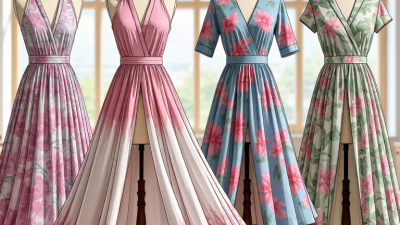
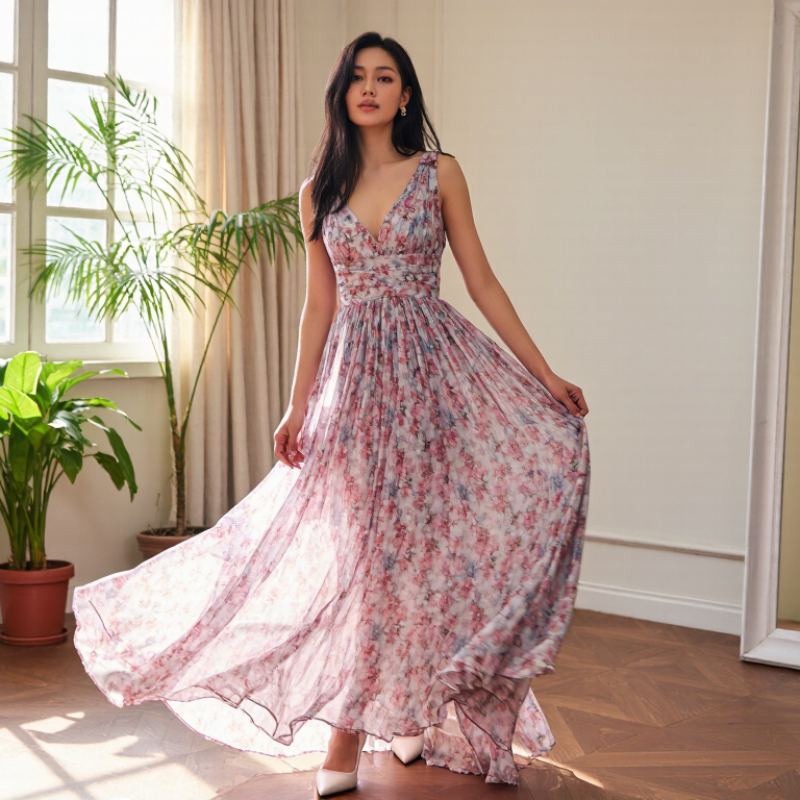
Understanding a floral floor-length dress means looking beyond its print. The hem should skim the floor without dragging, even when you walk in your usual shoes. Fabric weight and construction affect how the skirt falls and moves. Small, spaced blooms often feel quieter; large, high-contrast flowers draw more attention. Textile Exchange’s Materials Market Report 2024 estimates global fiber production reached 124 million tonnes in 2023. This industry-wide figure is not specific to dresses, but it highlights the scale of material choices behind clothing. Check the fiber content and care label before choosing.
Tips: Try the dress with the shoes you plan to wear. Walk, sit, and turn. Watch the hem. Check whether the print placement feels balanced from the front and side. It is easy to misjudge a dress under fitting-room lights.
A defined waist can add shape, while a looser cut allows more movement; comfort depends on the wearer and the garment’s construction. Consider where the dress will be worn, too: a light, flowing skirt may suit an outdoor gathering, while a heavier fabric can feel more structured indoors. The “perfect” length is not always the one that touches the floor exactly. A small adjustment may make walking easier.
Matching the Dress to the Occasion and Setting
How to Choose the Perfect Floral Floor Length Dress?
Matching the Dress to the Occasion and Setting
A floor-length floral dress should suit the event as much as your personal style. For a garden wedding, soft prints and flowing fabric feel at home among flowers and grass. At an evening reception, a darker background or smaller floral pattern can look more formal. Consider the ground, too: long hems may drag on damp lawns or catch on uneven paths. I once underestimated a gravel walkway. Not ideal.
Tips: Check the invitation for dress expectations, then think about where you’ll walk and sit. Choose shoes that work on the actual surface. A hem that just clears the floor is often easier to manage than extra fabric pooling around your feet.
For a daytime gathering, lighter colors and breathable fabrics can feel comfortable in warm weather. A covered terrace or air-conditioned venue may call for a light wrap instead. Keep accessories simple if the print is busy; small earrings and a plain bag often let the pattern stand out. Still, rules aren’t absolute. If the dress feels too formal for a casual picnic, a relaxed hairstyle or flat sandals can soften the look without hiding what you like about it.
Choosing a Floral Print, Color Palette, and Fabric
A floor-length floral dress can look striking on a hanger but feel overwhelming in motion. Start with the print’s scale. Small, scattered flowers create a quieter effect, while large blooms draw attention across the body. Stand several feet from a mirror to see the overall pattern, then check the seams. A flower cut awkwardly at the waist can look distracting. It is a small detail, but it matters.
Choose a palette that works with the event and your natural coloring. Soft greens, cream, and muted pinks often feel relaxed in daylight; deeper reds or navy can suit evening settings. Check the fabric under both indoor and outdoor light, since colors may shift. Try the dress with shoes of a similar height to those you plan to wear. The hem should skim the floor without dragging. Not always easy.
Fabric changes how a floral print hangs. Chiffon moves lightly and may need a lining, while cotton feels breathable but can wrinkle during a long event. Satin catches light and can make bold flowers appear even brighter. Touch the fabric, sit down, and take a few steps before deciding. If the skirt twists or clings, the fit may need adjustment. I’d reconsider a favorite print if its fabric feels uncomfortable after a few minutes; appearance is only part of wearing a dress well.
Finding a Silhouette and Fit for Your Body
A floor-length floral dress should support the way you move, not just look appealing on a hanger. Notice where the waist seam falls: a high waist can visually lengthen the legs, while a natural waist often feels familiar and balanced. A-line skirts skim the hips and allow room to walk. Softly gathered skirts add movement, but can feel bulky if the fabric is thick.
Think about the fit you want through the shoulders, bust, and waist. The bodice should sit smoothly without pulling when you reach forward or take a deep breath. If you prefer more definition, try a shaped waist or a slim belt; if comfort comes first, look for a looser cut with gentle draping. Neither choice is universally flattering. Personal comfort matters.
Check the hem with the shoes you expect to wear. It should nearly touch the floor without catching under your heel. Sit down, walk, and turn in the dress; a fitting-room mirror shows only part of the story. Watch how the floral pattern falls across seams, too. A print may look lovely on a hanger yet feel busy on your body. That can be disappointing, and it is worth trusting your own judgment.
How to Choose the Perfect Floral Floor-Length Dress
Estimated shoulder-to-hem length by body height
These lengths are starting estimates, not standard sizing. Measure from your shoulder to the floor while wearing the shoes you plan to pair with the dress, then check the garment’s size chart. A defined waist can add shape, while an A-line skirt offers room through the hips.
Coordinating Shoes and Accessories for a Balanced Look
With a floor-length floral dress, shoes may appear only in brief glimpses, but they still affect how the outfit moves. For a garden setting, low block heels or neat flats offer stability on grass and help keep the hem from dragging. Check the length while wearing your chosen shoes; a hem that clears the floor slightly is less likely to catch. Comfort matters. I once wore narrow heels to an outdoor event and spent more time watching my footing than enjoying the afternoon.
A busy floral print already carries visual detail, so choose one or two quieter accessories instead of matching every color. Neutral shoes can calm a vivid pattern, while a shade drawn from a small flower in the print can feel intentional without looking overly coordinated. Keep the bag modest in size and simple in shape; a large, heavily decorated one may compete with the dress. Small earrings or a fine bracelet are often enough. There are exceptions, of course. A plain dress with a few large blooms might welcome bolder jewelry, though I would try it on in daylight before deciding. Check the whole outfit in a mirror while walking, not just standing still. The skirt can shift, and an accessory that seemed balanced at home may feel distracting in motion.