Welcome to the TopShow!Garment manufacturing !
OEM, ODM Service,Custom color Custom logo,Custom Your Own Brand Online!

Choosing a Lady Dress manufacturer involves more than finding attractive designs. Global buyers also need dependable sizing, consistent fabric quality, clear pricing, and production schedules they can plan around. A polished catalog can be useful, but it cannot show how a garment feels after washing or whether the next production run matches the sample.
Details matter. Ask about fabric composition, size grading, sample costs, minimum order quantities, and inspection procedures. A supplier’s answers can reveal as much as its product range. Request a physical sample where possible; check seams, lining, closures, and measurements against your requirements. Small differences can become costly across a large order. They really can.
This guide introduces ten Lady Dress manufacturers for buyers comparing sourcing options. It highlights practical factors such as product focus, customization, communication, and order flexibility, rather than treating a large catalog as proof of quality. Manufacturer information and capabilities can change, so confirm current terms directly before making a commitment. No shortlist can replace careful sampling and clear written specifications. That may sound cautious, but it is worthwhile. A good partnership depends on fit, reliability, and honest expectations—not promises alone.
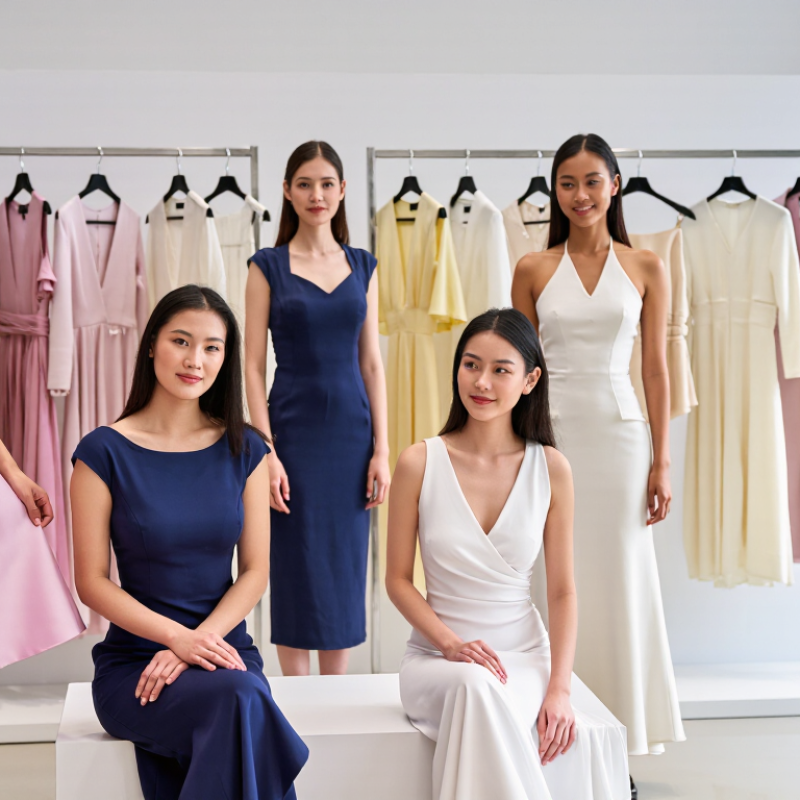
A leading women’s dress manufacturer does more than sew attractive samples. It must turn a design into repeatable production, with reliable sizing, clear communication, and consistent finishing. For dresses, inspect zipper alignment, seam allowances, lining comfort, and how hems hang after washing. Ask for size-grading records and fabric test results, not verbal assurances. Details matter.
Transparency also signals operational maturity. Fashion Revolution’s 2023 Fashion Transparency Index assessed 250 major fashion companies and reported an average disclosure score of 26%. This measures brand disclosure, not factory performance, but it shows why traceability questions matter. Buyers should ask who handles cutting, sewing, and finishing, and whether production can be tracked by facility. Check sample approval procedures, defect controls, realistic lead times, and how the factory manages fabric shortages. A polished sample can still hide weak bulk-production controls. I have seen buyers focus on price and overlook fit consistency; that trade-off often returns as costly rework.
Tips: Request a pre-production sample in the intended fabric, then wash and measure it. Ask the manufacturer to explain any size or color variation. A clear answer beats a perfect-looking brochure.
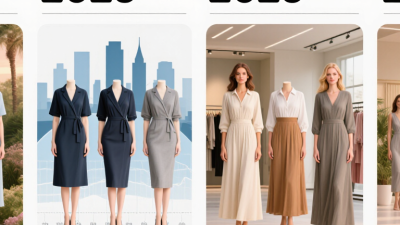
Suggested buyer evaluation weights for comparing manufacturers. These are a practical scoring framework, not results from an industry survey.
Assess each supplier against the same criteria, verifying claims with samples, audit records, production plans, and written quotations. Adjust the weights to fit your order and market requirements.
The selection process looks beyond polished catalog images. It considers whether a manufacturer can produce different dress styles, maintain consistent sizing, and explain its quality checks clearly. We also look at minimum order quantities, sample availability, typical lead times, and the range of fabrics offered. These details help buyers judge whether a supplier fits a small test order or a larger seasonal program.
Samples matter. A useful review checks seam consistency, zipper movement, lining, and fabric feel, then compares the garment with its measurement chart. We consider whether communication is specific: can the supplier clarify grading rules, production stages, and how defects are handled? Export experience and clear documentation also count, though buyers should verify relevant claims directly rather than rely on a listing alone.
Details count. Public information is uneven, so missing data is treated as uncertainty, not proof of poor performance. No scoring system can replace a buyer’s own fit tests or factory discussions. A dress may look strong in a sample yet differ across colors or production batches. For that reason, the manufacturers are assessed using practical, comparable signals, while recognizing that individual order requirements can change the best choice.
A small-batch woven-dress manufacturer may suit buyers testing a new silhouette. Ask to see its grading samples. The finish can vary. A jersey specialist is better placed to discuss stretch recovery and seam choice. An occasionwear workshop may handle lining, boning, and careful hand-finishing, but its lead times can be longer. A linen-focused maker should explain shrinkage testing and fabric weight. A manufacturer experienced in extended sizing can show how it checks fit across different body measurements.
A private-label producer may coordinate labels, packing, and repeated orders. An embroidery workshop can add detailed surface work, though every sample needs close inspection. A recycled-fabric specialist should provide clear material documentation, not just broad claims. A high-volume factory may offer consistent capacity, but minimum order quantities could be restrictive. A nearshore manufacturer can simplify sample discussions for some buyers. An artisan-led producer may offer distinctive construction, yet limited equipment can constrain output.
These are useful profiles, not guarantees of performance. Request a sample, a written specification, and a realistic production schedule before placing an order. Check stitching, measurements, fabric hand feel, and color under daylight. Ask who handles quality checks and how defects are recorded. A polished sample is reassuring, but it does not prove every bulk garment will match. That distinction is easy to overlook.
An anonymized, country-level sourcing overview. The profiles describe commonly available manufacturing capabilities in each apparel-producing region; they are not claims about individual factories. Confirm capacity, minimum order quantities, lead times, certifications, and compliance directly with each prospective supplier.
| Profile | Manufacturing Location | Common Dress Categories | Typical Strengths | Potential Buyer Fit | Sourcing Considerations |
|---|---|---|---|---|---|
| Manufacturer 01 | China | Casual dresses, occasionwear, knit dresses, woven styles | Broad material and trim availability; extensive supplier networks; a wide range of production capabilities | Buyers seeking varied product options and access to established textile and apparel supply chains | Confirm the factory’s own production scope, subcontracting policy, compliance documentation, and current shipping arrangements. |
| Manufacturer 02 | Bangladesh | Woven dresses, casual dresses, jersey dresses, volume basics | Large export-oriented ready-made garment sector and established experience in apparel production | Buyers planning repeat orders or larger production runs of relatively standardized styles | Check fabric sourcing options, sample approval process, production capacity, and independent social-compliance records. |
| Manufacturer 03 | India | Cotton dresses, embroidered styles, printed dresses, occasionwear | Access to a diverse textile and craft base, including printing, embroidery, and embellishment | Buyers looking for varied fabric choices, decorative details, or product development flexibility | Specify workmanship standards, color and print tolerances, embellishment requirements, and inspection criteria in writing. |
| Manufacturer 04 | Vietnam | Casual dresses, sportswear-inspired dresses, knit and woven styles | Established export apparel industry with experience serving international supply chains | Buyers seeking export-focused production and a range of apparel manufacturing options | Verify factory availability, material lead times, order-size requirements, and the destination market’s rules of origin. |
| Manufacturer 05 | Türkiye (Turkey) | Jersey dresses, casual dresses, fashion-forward woven styles | Apparel production supported by a regional textile base and proximity to European markets | Buyers prioritizing regional sourcing or shorter transport routes to nearby European markets | Compare total landed cost, including fabric, freight, duties, and applicable trade preferences; confirm delivery terms. |
| Manufacturer 06 | Portugal | Knit dresses, jersey styles, contemporary casualwear | Recognized European apparel and textile production base with capabilities across knitwear and clothing | Buyers seeking European production and close coordination during product development | Assess price and capacity against the product brief, and verify the specific factory’s materials and finishing capabilities. |
| Manufacturer 07 | Italy | Designer dresses, occasionwear, premium woven and knit styles | Strong association with fashion design and a broad network of specialized textile and apparel businesses | Buyers developing premium or design-led collections that require specialized materials or finishing | Request factory-level evidence of origin and production steps; assess cost, capacity, and minimum order requirements early. |
| Manufacturer 08 | Sri Lanka | Woven dresses, casualwear, lingerie-adjacent and performance apparel styles | Export-oriented apparel sector with experience in technically controlled garment production | Buyers who value structured quality processes and are evaluating suppliers for ongoing programs | Review audit scope and dates, confirm the facility making the order, and agree on testing and quality-control procedures. |
| Manufacturer 09 | Pakistan | Cotton dresses, jersey dresses, casual woven styles | Domestic cotton and textile resources alongside an established apparel manufacturing sector | Buyers sourcing cotton-focused products and exploring integrated textile-to-garment supply options | Confirm fabric composition and test results, dyeing and finishing standards, and shipment schedules for the specific order. |
| Manufacturer 10 | Indonesia | Casual dresses, modest-fashion styles, knit and woven apparel | Established garment-export activity and access to a range of regional manufacturing resources | Buyers comparing Southeast Asian sourcing options for commercial and fashion-oriented collections | Validate factory specialization, available capacity, sample turnaround, and destination-specific import requirements. |
When comparing ten dress manufacturers, buyers should look beyond product photos and compare capabilities by category. Sampling speed matters, but so does the accuracy of the first sample. Check whether the factory can match a reference garment’s fabric weight, lining, seams, and fit. Details matter. A polished sample can still hide inconsistent production methods.
Order flexibility separates small-batch specialists from factories built for larger runs. Ask about minimum order quantities, size-range options, and how repeat orders are handled. Then compare fabric sourcing: some manufacturers offer broad material choices, while others work best with buyer-supplied textiles. Neither approach is automatically better. The right fit depends on the collection and the buyer’s planning needs. Request written lead-time estimates, including time for revisions, bulk production, and shipping preparation.
Quality control is another key comparison. Ask when measurements are checked, how defects are recorded, and whether inspection reports are available. Ask for evidence. Communication deserves equal weight: clear replies about fabric substitutions or delayed samples can prevent costly misunderstandings. A factory may score well on price and capacity yet provide limited flexibility or slow updates. Those trade-offs are easy to miss in a short sales conversation. Compare recent samples, documented processes, and specific answers before deciding; a ranking alone cannot show how reliably a manufacturer will meet each buyer’s requirements.
Before paying a deposit, request a pre-production sample made with the quoted fabric, trims, and stitching. Check it against the approved size chart, measurement tolerances, seam finish, and color under daylight. Ask for a written breakdown of fabric composition, weight, shrinkage results, and test methods. Textile Exchange’s Materials Market Report 2024 estimates that global fiber production reached 124 million tonnes in 2023. That scale makes clear fiber records worth checking, not just accepting on a sales sheet. Request supporting mill or transaction records where available. Paperwork can look polished. The sample tells another story.
Confirm the minimum order quantity, production calendar, payment milestones, and who pays for failed inspections or rework. Ask whether production will happen at the disclosed facility, and whether any work may be subcontracted. Get recent quality-control records and agree on an inspection plan before production starts. For a first order, inspect a small pilot run or arrange an independent pre-shipment check. Keep approved samples, specifications, and revision dates in one file; verbal changes are easy to misremember. Verify that the supplier can explain capacity with a realistic schedule, not only a fast promise. I would still allow some uncertainty: one successful sample does not guarantee consistent bulk production. Keep enough time for corrections.