Top 10 Color Block Stripe Dress Suppliers Worldwide?
A Color Block Stripe Dress can look simple on a hanger, yet its appeal depends on careful choices: balanced color placement, clean stripe matching, comfortable fabric, and a reliable fit. For brands, retailers, and sourcing teams, finding a supplier that can deliver these details consistently is as important as finding an attractive design. A bold color story means little if seams distort the stripes or shades vary between production batches.
This guide introduces ten suppliers serving international markets and explains what buyers may want to examine before requesting a quote. The comparison considers product range, customization options, sample availability, minimum order quantities, production capacity, communication, and shipping support. Details matter. Buyers should also ask about fabric composition, care instructions, colorfastness testing, and how quality checks are documented. These questions help turn broad claims into information that can be evaluated.
No supplier is the right fit for every business. A small label may prioritize low order quantities and responsive sampling, while a larger retailer may need repeatable sizing and dependable production schedules. Public supplier information can change, and descriptions alone cannot replace sample reviews or direct discussions. A striped panel can shift slightly in real production; that possibility deserves attention, not dismissal. Use the profiles as a starting point, verify current capabilities with each company, and compare written specifications before making a purchasing decision.
Understanding Color Block Stripe Dresses and Their Global Market
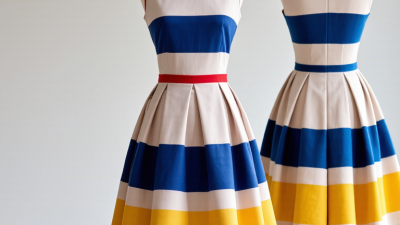
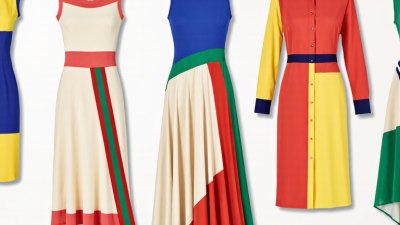
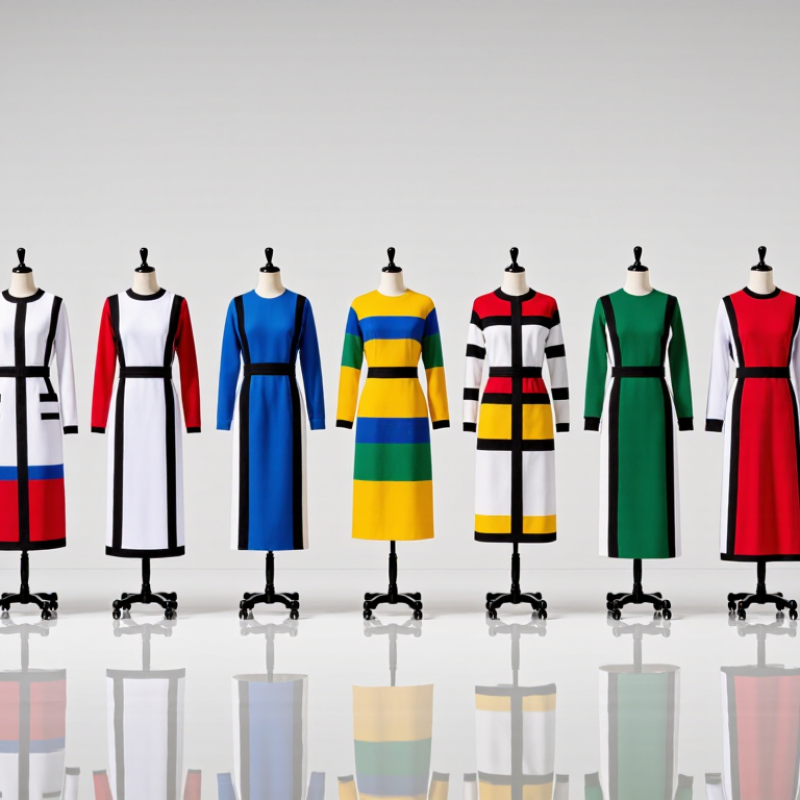
Color block stripe dresses combine broad panels of contrasting color with linear patterns, creating movement without relying on print alone. A navy-and-cream dress with a red side panel, for example, can look bold on a hanger but different when the wearer walks. The effect depends on stripe width, panel placement, fabric weight, and how the seams align. Small details matter.
Their global market serves different preferences and climates. Lightweight cotton or viscose blends may suit warm-weather collections, while heavier knits can offer more structure for cooler seasons. Buyers often compare suppliers on fabric consistency, color matching, size grading, sample quality, and production lead times. A useful sample check includes measuring across the chest and hem, then inspecting whether stripes meet cleanly at side seams. It is not glamorous, but it prevents avoidable surprises.
Supplier evaluation takes more than a polished catalogue. Request clear fabric specifications and review a physical sample under natural light, since colors can shift between screens and cloth. Ask how the supplier handles repeat orders; matching a previous dye lot is not always perfect. That gap deserves attention. Market trends also change, and a design that sells well in one region may feel too loud elsewhere. Practical sourcing decisions balance visual appeal with comfort, fit, and reliable production.
Top 10 Color Block Stripe Dress Suppliers Worldwide
Apparel exports offer a useful, though indirect, view of global sourcing capacity. The figures below show selected major clothing-exporting economies in 2022; they do not represent dress-specific exports or supplier counts.
2022 apparel exports, approximate US$ billions. Values are rounded estimates based on WTO and UN Comtrade clothing-trade data (HS 61–62); differences in reporting and product coverage may affect comparisons.
Market context: China leads by a wide margin, while Bangladesh, Vietnam, Türkiye, and India are significant export bases. Buyers should also assess fabric sourcing, production capacity, quality controls, lead times, and compliance when evaluating dress suppliers.
Key Criteria for Evaluating Dress Suppliers
Choosing a color block stripe dress supplier takes more than comparing unit prices. Request a current product specification showing fabric composition, stripe placement, color references, and size measurements. These details matter because even small pattern shifts can make a finished dress look uneven. Review a physical sample under natural light, then check seams, hems, and fabric recovery after washing. A sample can look excellent, though bulk production may differ.
Evaluate suppliers on quality control, production capacity, lead-time accuracy, and communication. Ask how they inspect stripe alignment and what happens when a sample fails review. Request realistic production schedules, not just the fastest possible estimate. You can also ask for references or examples of comparable orders. One point is easy to overlook: a low minimum order may still come with limited fabric choices. Written specifications help, but they cannot replace clear follow-up.
Tips:
Send a marked-up reference image and a measurement sheet with your inquiry. Ask the supplier to confirm each detail in writing. Keep one approved sample for comparison during production. Small checks take time, but skipping them can create bigger problems later.
Profiles of 10 Leading Color Block Stripe Dress Suppliers Worldwide
Profiles of ten leading color block stripe dress suppliers should compare production strengths, not just catalogue photos. Look for yarn-dyed stripe specialists, printed-panel makers, woven-cotton factories, jersey producers, linen-blend workshops, recycled-fiber mills, small-batch studios, high-volume sewing plants, product-development teams, and suppliers with documented material traceability. Ask for a physical swatch: narrow navy lines can look crisp online but blur after washing. Small runs matter.
Material choices deserve close scrutiny. Textile Exchange’s Materials Market Report 2024 estimates global fiber production reached 124 million tonnes in 2023 and could rise to 160 million tonnes by 2030. That growth makes clear fiber specifications and recycled-content records useful supplier checks, not decorative claims. The International Labour Organization has estimated that garment production supports more than 60 million jobs worldwide, underscoring why buyers should also assess worker-safety and audit documentation. Records vary in quality, so request current, product-specific evidence.
A practical comparison should record minimum order quantities, sample lead times, stripe-matching tolerances, shrinkage results, and colorfastness test methods. Ask whether color blocks are cut from one continuous fabric lot; mixed lots can create visible shade differences across panels. Compare stitching at armholes and side seams, where stripes often drift. Some suppliers may offer lower prices but limited testing. That trade-off is easy to miss. A useful profile explains both what a supplier does well and what still needs verification.
Comparing Supplier Capabilities, Pricing, and Customization Options
Comparing color block stripe dress suppliers requires more than checking catalog photos. Ask how they control stripe alignment across seams, especially at side panels and sleeves. Request fabric composition, weight, shrinkage results, and colorfastness details. A capable supplier should explain its sampling process and flag design limits before production. Ask for a physical sample; screen images can hide uneven stripes.
Pricing depends on fabric, print or dye method, order quantity, and finishing. Compare quotes with the same specifications, including labels, packaging, sample fees, and shipping terms. A low unit price may exclude important costs. Check minimum order quantities and repeat-order timelines, too. I would not rank suppliers by price alone; delivery consistency and clear answers matter, though they are harder to measure.
Tips: Send a simple tech pack with stripe widths, color references, measurements, and placement sketches. Ask each supplier to quote the same quantities and customization options. Keep notes on response time and sample corrections. One detail is easy to miss: a sample may look neat, while bulk fabric varies slightly between dye lots. Decide what variation you can accept before approving production.
How to Choose and Verify the Right Supplier
Choosing a color block stripe dress supplier starts with the sample, not the sales pitch. Check whether stripe lines meet cleanly at side seams and whether color blocks match across sizes. Ask for fabric composition, weight, shrinkage results, and care instructions in writing. A soft handfeel is useful, but it does not prove the garment will keep its shape after washing. Request a pre-production sample made with the intended fabric and trims.
Tips: Ask for recent production photos and two trade references. Compare the sample with the approved specification, including measurements and stitching. For colorfastness, request test results or arrange an independent test. Keep the questions specific. Details matter.
Verify capacity before placing a large order. Discuss monthly output, sample lead time, minimum order quantities, and how defects are handled. A video call can show cutting tables and finished garments, but it is only one check. Confirm company details through suitable business records and contact references directly. If the supplier avoids clear answers or pressures you to pay quickly, pause. A polished sample can still hide inconsistent bulk production, so consider a small trial order before committing.